Experts guide users of Ozempic and Mounjaro on protein intake and strength training


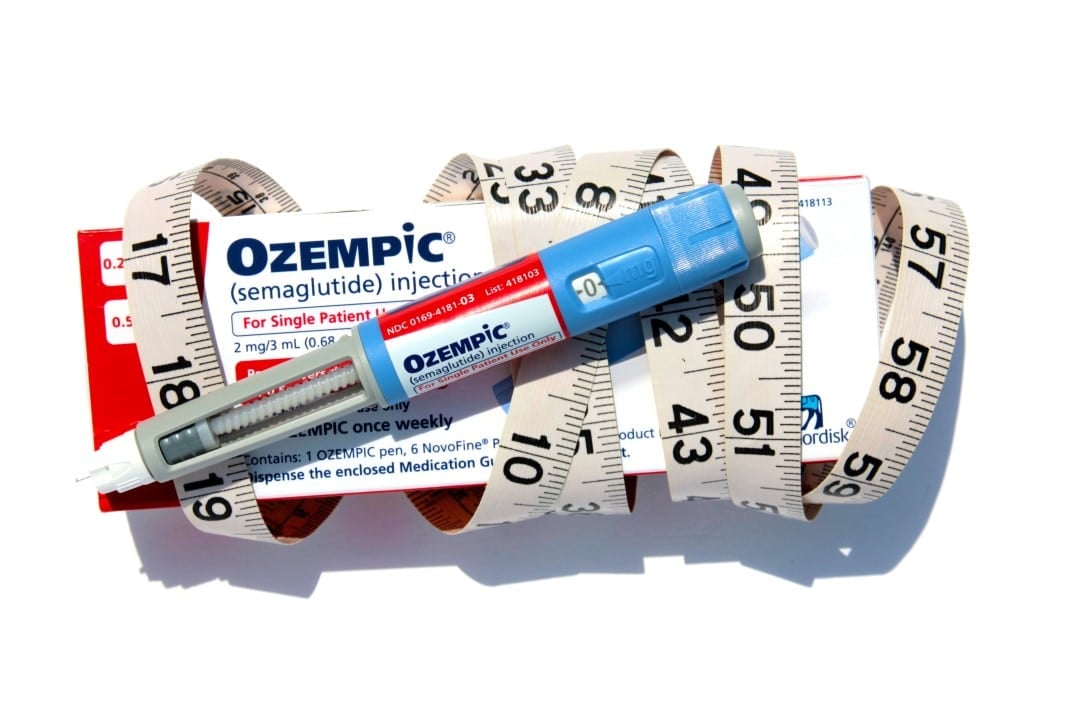
People who use medications such as Ozempic, Wegovy or Mounjaro for weight loss often notice a reduction in muscle mass, in addition to body fat. Faced with this reality, a new international consensus on the use of these drugs now recommends a specific amount of daily protein and elevates weight training from a secondary suggestion to a fundamental component of treatment.
This document was developed by three European institutions specializing in the treatment of obesity and is recognized as global guidance for the use of these medications. The publication took place in early July, in the respected scientific journal The Lancet Diabetes & Endocrinology.
One of the most important innovations of this consensus is the redefinition of treatment success, which should not be measured only by the weight on the scale. Research proves that part of weight loss is actually muscle mass. Therefore, bodybuilding and adequate protein consumption are no longer complements and become central elements to ensure healthy weight loss and preserve the quality of body composition, essential for general health and prevention of frailty, especially in the elderly.
The ideal amount of daily protein to prevent muscle loss
To mitigate the loss of lean mass, the consensus suggests a specific daily protein intake:
- The recommendation varies between 1 and 1.5 grams of protein per kilogram of adjusted weight, with a minimum of 60 grams per day, distributed throughout meals.
- If the usual diet is not sufficient to achieve this goal, protein supplements can be included, always under individual medical guidance and evaluation.
The challenge lies in the effect of the medications themselves: a decrease in appetite can lead to a reduction in protein consumption precisely when they are most needed, increasing the risk of muscle loss.
The central importance of strength training and bodybuilding in treatment
The document innovates by highlighting the role of physical exercise. For the first time, the regular practice of strength activities, such as weight training, is presented as an indispensable part of the strategy for those using GLP-1 agonists (type 1 glucagon-like peptide) and other similar medications.
It is crucial to note that the consensus does not refer to physical activity in general, but to specific exercises. The orientation is to carry out activities that use strength and directly stimulate the production of muscle mass.
This does not prevent patients from practicing other forms of exercise together, but it highlights that weight training must be an integral and mandatory part of the treatment plan.
Rodrigo Lamounier, director of the Brazilian Association for the Study of Obesity and Metabolic Syndrome (Abeso) and member of the Brazilian Society of Endocrinology and Metabology (SBEM), explains the need for patients to lose weight while maintaining a healthy body composition. He emphasizes that reducing muscle can have even greater impacts on health, depending on age. “There is little point in reducing the number on the scale at the cost of worsening nutrition, tiredness, intense hair loss or the inability to exercise and live well — and, in the most vulnerable, an increased risk of falls and fractures”, warns the expert.
Medical assessment: when to consider stopping medication treatment
The consensus also addresses a frequent question among users of these drugs: is there an ideal time to stop treatment? The decision, according to the document, should be discussed between doctor and patient, carefully weighing the benefits and possible risks.
In certain situations, it may be appropriate to reduce the dose, postpone a planned increase, take a temporary break, or even discontinue the medication. The document lists the following signs that indicate the need for a reassessment:
- persistent nausea and vomiting,
- difficulty maintaining adequate hydration,
- excessively rapid weight loss,
- inability to consume sufficient nutrients and
- clear signs of malnutrition.
One scenario that requires special attention is dietary intake that remains below 800 calories per day for an extended period.
Interruption may occur if the patient reaches a satisfactory weight goal, if tolerance to the medication worsens to the point of compromising adherence – a dose reduction can help maintain treatment – or due to a considered decision, as in the case of an elderly person who has already achieved a reasonable level of weight loss and for whom losing more weight may not be beneficial.