
Population of Polynesia: the historical enigma that inspired the film ‘Moana’

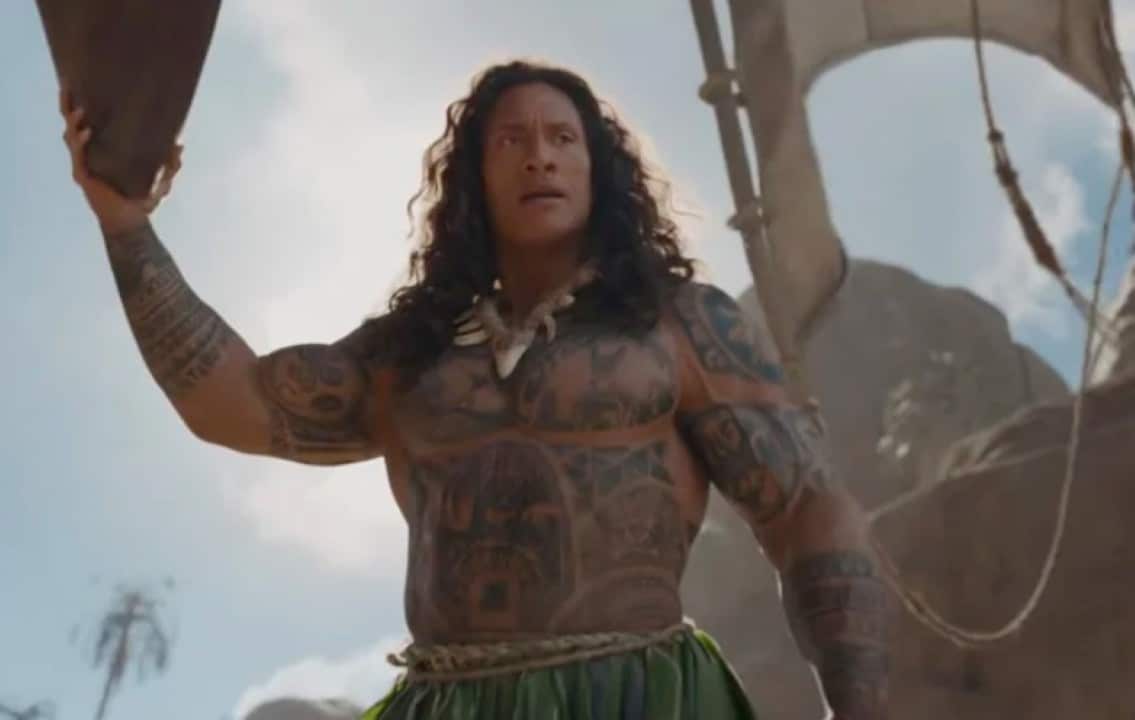
The animation Moana, produced by Disney in cinemas, presents the journey of a young girl determined to break the ban imposed by her father to sail beyond the limits of the coral reef. The plot takes on even deeper contours as it is based on a true event in human history: the sudden interruption of maritime expeditions across the Pacific Ocean thousands of years ago, followed by an overwhelming resumption of oceanic exploration.
Between the years 3000 BC and 1500 BC, the ancestors of today’s Polynesian peoples unleashed an unprecedented maritime expansion. Starting from the island of Taiwan, these navigators crossed colossal distances and populated archipelagos such as Fiji, Samoa and Tonga. However, in a move that intrigues historians and archaeologists, all exploration activity came to an abrupt halt for around 1,700 years, in a time interval known to the scientific community as “the great pause.”
Only after this long hiatus did local communities return to launching their vessels into the open sea. This second wave of navigation allowed the settlement of extremely isolated islands on the planet, including Hawaii, Easter Island (Rapa Nui) and New Zealand. The transition between stagnation and return to expeditions is precisely the historical and mythological backdrop portrayed in the audiovisual work.
The scientific hypotheses for interrupting expeditions
The reason why the Polynesians remained almost two millennia without advancing towards the eastern Pacific is the subject of intense debate in the academic community. One of the most accepted theoretical aspects points to severe restrictions on the navigation technology available in the first expansion phase. The initial vessels were efficient for short journeys, but inadequate to face the unstable currents and storms of the open sea.
To overcome the challenges of the deep ocean, the people of the region needed to develop ingenious innovations in naval engineering. The emergence of the double-hulled canoe, known as the ancestral catamaran, provided the stability necessary to carry supplies, plants, animals and entire families. Furthermore, the creation of crab-shaped sails woven from pandanus fibers allowed boats to sail much more efficiently against the wind.
Another robust explanation is based on paleoclimatic studies on atmospheric variations in the South Pacific. Researchers identified that, during the period of the great pause, the frequency of the El Niño phenomenon underwent drastic changes. The change in the pattern of water temperatures weakened the trade winds, which normally blew in a direction favorable to navigation, transforming the eastern ocean into a practically insurmountable barrier at the time.

The science of guidance and the preservation of knowledge
Once the climatic and technological obstacles were overcome, the Polynesians’ return to the waters required mastery of a sophisticated astronomical and environmental navigation system. Without the aid of compasses, paper maps or metallic instruments, sailors guided themselves exclusively by reading nature in detail. They observed the position of stars in the night sky, the behavior of sea currents, surface winds and the refraction of waves on the surfaces of boats.
Navigators also used the behavior of local fauna as precise geographic indicators. The presence of certain species of seabirds indicated the proximity of dry land, while the flight of these animals at dusk pointed to the exact direction of the islands. This set of knowledge transformed the Polynesians into the greatest ocean explorers of their era, capable of crossing thousands of kilometers of open sea with impressive accuracy.
The maintenance of these strategic data during the 1,700 years of standstill was only possible thanks to a solid cultural structure based on oral tradition. Sea routes, celestial landmarks and survival techniques were converted into songs, poems and sacred legends rigorously transmitted from generation to generation. This cultural preservation network ensured that when climatic and technological conditions aligned again, the memory of navigation remained alive to guide new explorers.





