
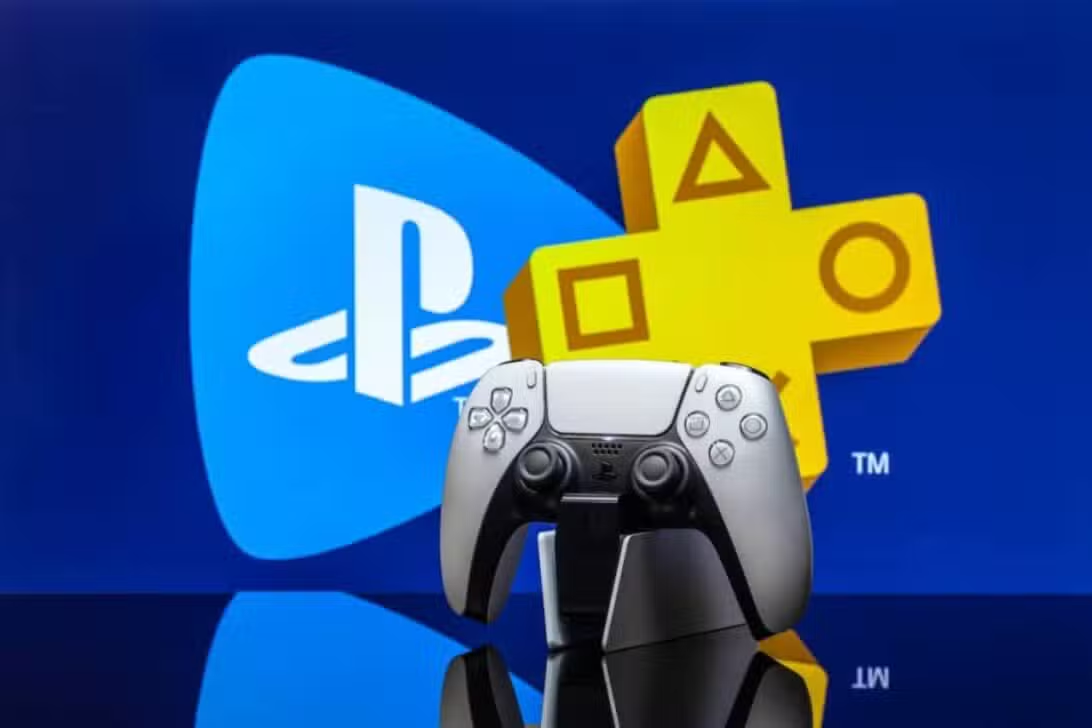
The generational transition in the video game market has just gained a definitive milestone established by the Japanese manufacturer. From the year 2026, users who subscribe to the entry package of Sony’s online service will no longer be sure of receiving titles from the last generation. The measure directly affects the Essential modality, which has historically always delivered works compatible with the brand’s older hardware to its millions of active subscribers.
This commercial change reflects the maturity of the life cycle of the company’s current table console. When the new rule comes into force, the most recent system will have already passed the half-decade mark on the shelves, justifying a total redirection of logistical and financial efforts. The corporation’s central objective is to concentrate monthly benefits and licensing budgets exclusively on the most modern platform available on the market.

To understand the weight of this decision, it is necessary to look at the history of the electronic entertainment industry and the behavior of the company itself in the past. The 2013-released video game will be thirteen years old when the change occurs, an exceptionally long support period. In comparison, the PlayStation 3 transition saw its online benefits cut much more abruptly, showing that the manufacturer tried to prolong the survival of its most popular device as much as possible before forcing the public to migrate.
Understand the practical changes in the monthly distribution of securities
Currently, the subscription service’s starter package offers a very clear attraction for its active members around the world. Every month, a set of three digital works is released for redemption, generally mixing options for both generations of devices. This dynamic allowed millions of consumers to keep their old machines turned on in their living room, receiving constant news at no additional cost beyond the monthly fee charged to their credit card.
The new direction stipulates that the presence of software developed natively for the previous hardware will no longer be a contractual obligation of the company with its customers. This means that the monthly selection could be made up entirely of adventures exclusive to current technology, leaving veteran equipment owners without new incentives. Partner developers and the platform itself will no longer need to ensure that digital gifts run on the old system.
Despite the imminent restriction, there is an important safeguard for anyone who has built an extensive digital library over the past few years. Any products that were added to the user’s account before this new policy was implemented will remain fully accessible. The only technical requirement imposed by the system is that the individual must keep their subscription payments up to date to continue taking advantage of the catalog accumulated in their personal profile.
The functioning of the superior categories and the preservation of the collection
The brand’s online ecosystem was redesigned a few years ago to offer different levels of engagement and prices to consumers. While the base of the pyramid suffers from the loss of future guarantees, the most expensive packages remain intact in their original value proposition. The Extra and Premium modalities will continue to provide a vast repository of works on demand, functioning in a similar way to large video and music streaming services.
At these higher levels, the presence of adventures from the past generation remains confirmed, as the rotating catalog depends precisely on the massive volume of productions launched in the last decade to remain attractive. The manufacturer understands that the difference between these more expensive subscriptions is the quantity and diversity of genres, which makes it impossible to remove support for the previous system without drastically reducing the product offered to customers who pay the highest monthly fees.
To clarify exactly how the ecosystem will work from the moment the new guideline is applied, some technical points need to be observed carefully by the gaming community:
- Redemptions made until the last day of 2025 will continue to be linked to the player’s profile permanently, subject only to the maintenance of the active subscription.
- The entry modality will focus its licensing budgets to bring works that exploit the processing power and capabilities of the latest hardware.
- On-demand catalogs in the higher categories will not suffer abrupt compatibility cuts, keeping hundreds of classic options available for download.
- Access to servers for online multiplayer matches on the old device does not undergo any type of change or limitation with this new commercial measure.
This separation of benefits creates a clear barrier between the types of consumers the brand wants to cultivate in the coming years. Those looking for just the monthly freebies will inevitably need to plan to update their home equipment. Those who choose to invest the highest amounts will continue to enjoy a mixed library for a considerably longer time, guaranteeing the usefulness of the old console for a few more seasons.
The business plan behind phasing out old technology
The Asian corporation faces a common logistical and financial challenge in transitioning mass entertainment technologies. With more than one hundred and seventeen million units sold globally, the old device still represents a huge portion of the installed base of active users. Maintaining ongoing support for this crowd prevents the company from maximizing its profits by selling new high-end hardware, controls, and peripherals.
By removing the main incentive of the cheapest plan, the company puts silent pressure on its most loyal community. The implicit message sent to the market is that the product life cycle has reached its commercially acceptable limit by industry standards. This corporate tactic aims to accelerate the migration of the most resistant players, forcing the purchase of modern equipment to justify continuing to pay the monthly fee for the online service.
In addition to boosting the sale of physical machines, the strategy seeks to increase recurring revenue generated by the platform’s own digital services. If the basic package becomes less attractive for those who have the old system, the natural tendency is for these users to consider migrating to the more expensive plans, where the catalog of classic games still justifies the financial investment. It is a coldly calculated move to increase the average annual spending of each customer registered on the network.
The financial consequences for the gaming community in Brazil
In the national market, digital subscriptions represent a significant financial commitment for the consumer public, weighing directly on the family budget. The basic plan requires an annual disbursement of around two hundred and seventy-eight reais, an amount that players justified by the guarantee of receiving dozens of titles over the course of twelve months. The removal of the mandatory compatibility with the old system drastically changes the perception of cost-benefit for those who do not intend to change devices in the near future.
The forced transition raises important debates about digital preservation and long-term access in an environment dominated by temporary use licenses. Unlike the era of physical discs, where ownership of entertainment was definitive, the current model leaves the consumer completely at the mercy of corporate decisions and market fluctuations. The change scheduled for two years from now serves as a practical reminder that subscription services prioritize constant renewal over maintaining legacy ecosystems.
The manufacturer’s move definitively ends the friendly transition period between the two generations of graphics processing. The technology industry operates based on the planned obsolescence of its digital services, and cutting monthly benefits is the last step before the complete termination of technical support. Consumers now have a clear, non-negotiable deadline to reevaluate their entertainment investments within the closed, brand-controlled environment.