

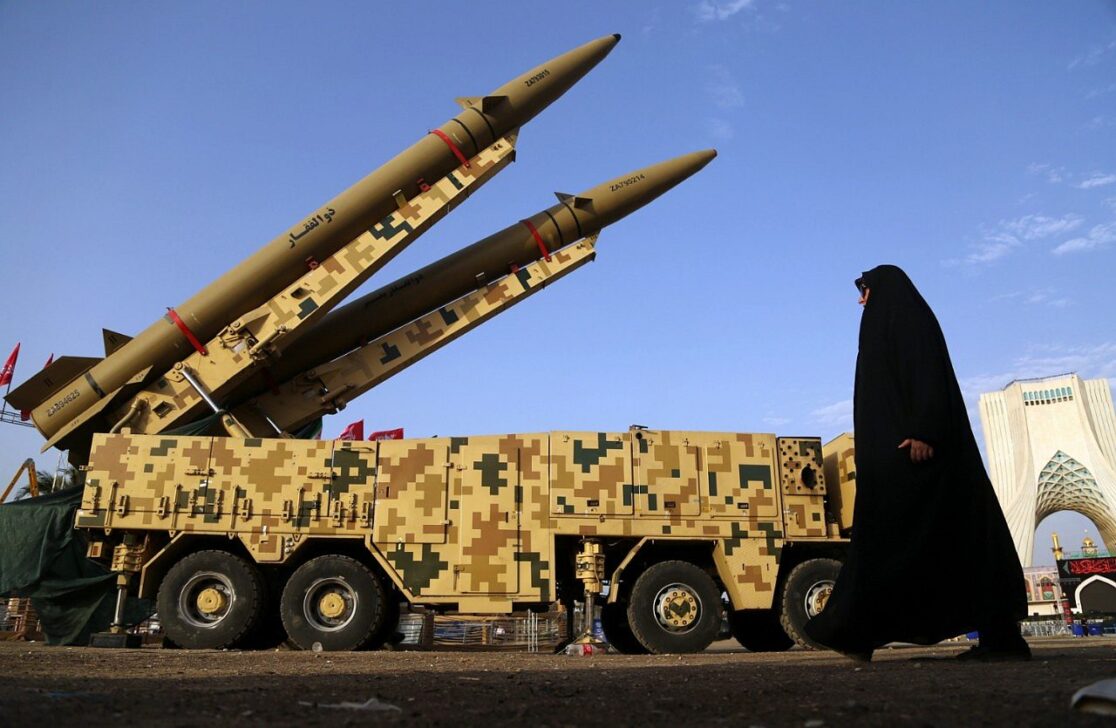
Houthi rebels, with support from Iran, caused the deaths of six individuals aboard a cargo ship in the Bab el-Mandeb Strait on August 11, 2026. This incident marked the first deaths reported in naval strikes in the Red Sea region in more than a year.
Hours later, US forces announced that missiles had been fired at a container ship. The vessel would have tried to break the blockade imposed by Washington on Iranian ports, operating in the Gulf of Oman.
The two episodes demonstrate how the conflict, which has already lasted six months, is having growing consequences on two of the most vital commercial maritime routes on the planet. This occurs despite diplomatic signals that indicate progress in reopening the Strait of Hormuz.
Victims and details of the Houthi attack in the Red Sea
The Yemeni Ministry of Transport reported that among the victims were four crew members from the vessel, identified as Tihamah. The Egyptian-owned, Tanzanian-flagged cargo ship had three Pakistani citizens and one Indonesian among the dead.
More on this story: Former boxer Prichard Colón dies aged 33 after long battle with brain injury
In a separate incident, Yemen’s coast guard disclosed that two members of the National Resistance Forces, allied to the Yemeni government, also lost their lives in a subsequent attack while carrying out a rescue operation.
In an official statement, the Yemeni Ministry of Transport stated that it considered the “Houthi terrorist militias fully responsible for the deaths, injuries and damage caused to the commercial vessel Tihamah, as well as for the serious consequences of these attacks”, according to an Arabic translation.
A Houthi-aligned media outlet later claimed that the group’s forces had attacked a vessel carrying Saudi military equipment. However, the Houthis have not officially commented on the number of casualties.
The Iran-aligned group had declared a naval blockade against Saudi Arabia in the Red Sea on July 20, 2026. That action broke a years-long truce in the Yemeni civil war, being presented as retaliation for a Saudi “siege” of Yemen, an accusation denied by Riyadh.
Details of US military action and blockade in the Gulf of Oman
The US Central Command (Centcom) reported on the night of August 11, 2026 that a Navy helicopter fired two missiles at the Panamanian-flagged ship Vela Nova. The vessel had its steering and propulsion systems disabled after the crew ignored warnings while crossing the Gulf of Oman.
Centcom clarified that the ship was trying to break the naval blockade that Washington reestablished against Iranian ports in mid-April 2026. There were no immediate reports of casualties. Since the measure began, US forces have redirected 55 commercial vessels attempting to breach the blockade, disabled three non-compliant ships and boarded two others.
Learn more: Detonations in Iranian provinces raise military tension with governments of the United States and Israel
Diplomatic impasse between US and Iran worsens scenario
The recent maritime hostilities occur at a time of stagnation in diplomacy between the United States and Iran. The Iranian Supreme National Security Council last weekend presented broad demands for the reopening of the Strait of Hormuz. These include the end of the American naval blockade, sanctions relief, withdrawal of US troops and war reparations.
In response, President Donald Trump demanded that Iran pay its own compensation. This impasse has ruled out the possibility of a return to normality in maritime transport, even with Iran and Oman approaching an agreement for a new transit corridor through the Strait of Hormuz.
Traffic through the strait, which accounted for 20% of global oil trade before the conflict began in February 2026, has been minimal. War-driven sea lane instability has caused a shock to global energy supplies, resulting in a sharp rise in oil prices and broader economic consequences.
Rising oil prices reflect tensions in the Middle East
Oil prices rose due to the intensification of tensions. Brent futures for October delivery rose 0.6% to $89.44 per barrel on August 12, 2026, extending an advance of more than 7% this week, according to LSEG data. US WTI crude for September rose 0.7% to $83.8.
Warren Patterson, head of commodity strategy at ING, said “current rhetoric indicates that a potential deal is still some way off, meaning risks to oil prices remain tilted to the upside.”
Diplomatic efforts bring a ray of hope
Despite the scenario, some signs of continuity in diplomatic efforts emerged. A high-ranking Pakistani minister stated on August 11, 2026 that the United States and Iran are close to “some kind of arrangement” over the Strait of Hormuz. This offers a glimmer of hope for a deal, even as the warring powers appear to harden their negotiating positions.
Full coverage: Latest News (EN)
Khawaja Asif, Pakistan’s defense minister, told reporters that “things are moving in favor of a peace agreement or a pact again,” it was reported.
The Pakistani official’s statements came after a Qatari Foreign Ministry spokesman reported that negotiations between Iran and Oman to open a shipping channel through the Strait of Hormuz were at a “crucial moment.”