
Apple suspends production of the Mac Pro and reduces RAM limit on the Mac Studio line

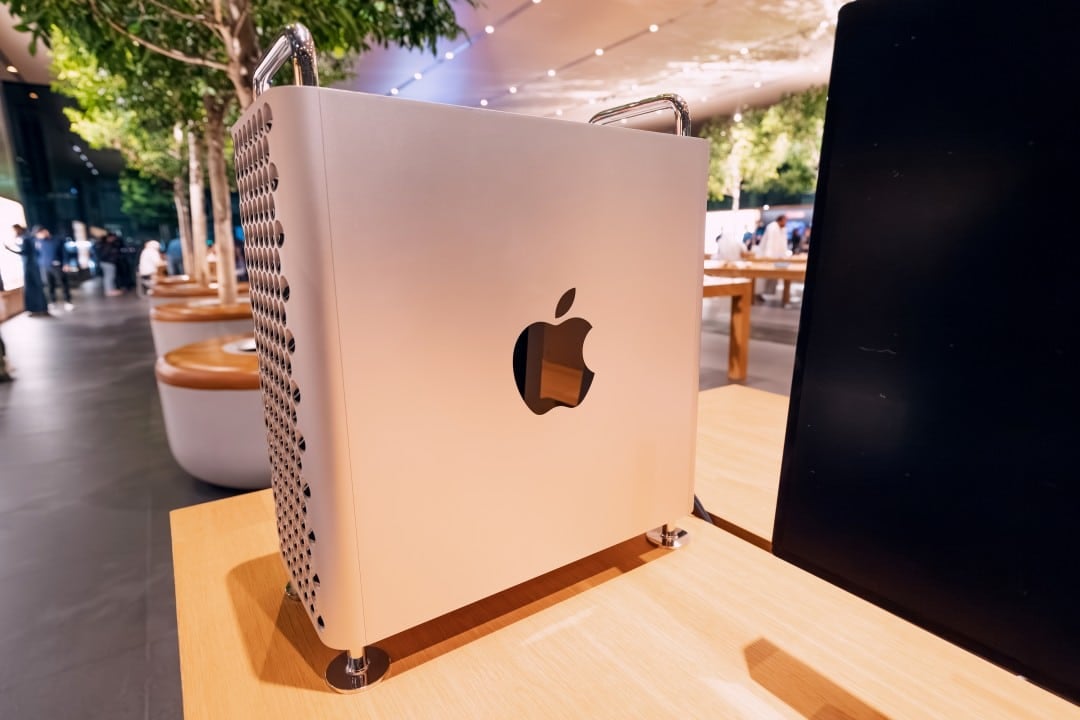
The Cupertino-based technology giant has formally finished manufacturing its most robust desktop computer, ending a twenty-year trajectory of continuous retail availability. This measure marks the completion of a cycle for machines focused on extremely high performance, consolidating the total migration to processors developed by the brand itself. The repositioning of the catalog directly affects purchasing alternatives for publishing houses, music producers and software engineers.
The equipment completely disappeared from the manufacturer’s online store in the last week of March, without any prior press release or farewell event. Company spokespeople assured that there are no ongoing plans to launch a new expandable cabinet in the future. The current guidance directs corporate consumers to other alternatives already present in the updated portfolio, definitively putting an end to the era of modular hardware updates.

This aggressive reformulation of the product line aimed at professionals highlights a transformation in the internal engineering logic and processing capacity of proprietary chips. The restructuring goes beyond the simple retirement of traditional cabinets, also encompassing severe changes in the memory customization options and internal storage volumes of the recently announced devices for the high-income public.
Direct impacts on the hardware configurations of compact computers
The catalog adjustment fully taps into the personalization power of the company’s high-performance compact desktop. The manufacturer eliminated the assembly alternative that delivered the machine with 512 gigabytes of unified memory, establishing a new ceiling restricted to 256 gigabytes. This abrupt cut forces specialists who depend on gigantic volumes of RAM to rethink their data processing structures. Semiconductor industry analysts point out that the global shortage of ultra-fast memory chips, driven by voracious demand for servers intended for artificial intelligence training, led to the removal of this technical specification.
The consequences of this technical barrier immediately hit production companies dealing with complex three-dimensional renderings, real-time physics calculations and simultaneous editing of multiple channels of heavy video. As the unified memory architecture shares the same database between the central processor and the graphics chip, the quantity installed at the factory becomes a decisive factor, as the user is unable to add extra sticks later. The corporation preferred to concentrate manufacturing on the most affordable variants with the highest commercial output, monitoring price fluctuations in the Asian supply chain before evaluating a return to extreme capacities.
Changes to default notebook storage volumes
Laptops aimed at the professional segment also underwent significant changes to their input technical sheets. The updated versions with fourteen- and sixteen-inch screens, equipped with the latest five-series processors in their advanced editions, now reach buyers with a terabyte of hard disk space as a basic configuration.
The automaker applied this same guideline to the entry-level model of the fourteen-inch notebook powered by the new generation basic chip. The old option that delivered 512 gigabytes of internal storage quickly disappeared from physical and virtual shelves, drying up the assembly line.
The leap in fundamental specifications caused an adjustment in the table of prices charged for portable equipment. The initial fourteen-inch version debuted costing US$1,699 in the North American market, representing a direct increase in comparison to the entry price of the previous generation.
Despite the increase in initial acquisition cost, the standardization of high-density storage units ensures superior sequential read and write speeds. These performance gains in solid-state drives directly benefit workflows that require the continuous transfer of large video files at resolutions of four and eight thousand pixels.
Replacing the reference monitor in the screen line
The company’s image display segment underwent its most drastic change in seven years with the discontinuation of the thirty-two-inch reference monitor. The peripheral, originally introduced in 2019 to accompany the latest generation of the expandable workstation, is no longer manufactured and sold on a global scale.
The retired screen set very high standards during its launch, delivering a resolution of six thousand horizontal pixels and a peak brightness of one thousand and six hundred nits. The equipment was sold for around US$5,000, a price that did not even include the articulated table support, sold separately for an additional US$1,000.
To fill the gap left in the visual precision sector, the manufacturer introduced a new twenty-seven-inch monitor. The transition aims to provide the latest lighting technologies in a reduced physical form factor, in line with modern editing desks and new connectivity standards.
Main visual resources integrated into the new display
The newly launched panel incorporates backlighting based on thousands of tiny light-emitting diodes, ensuring deeper dark tones and tight contrast control. The display also adds a variable refresh rate that reaches up to one hundred and twenty hertz, providing high fluidity when navigating interfaces and reviewing audiovisual content with a high frame rate.
Unlike its predecessor, the new monitor incorporates a complete high-fidelity speaker system and a front camera aimed at video conferencing. The device goes on sale costing US$3,299, a package that already includes a table support that is adjustable in inclination and height, reducing the need for additional purchases.
Dashboard performance in intensive workflows
The engineering behind the new professional display was designed to meet the rigorous demands of mastering content with high dynamic range, delivering the following technical advantages for fast-paced production environments:
- More than two thousand independent local dimming zones, minimizing light leakage in high-contrast scenes.
- Color fidelity with native support for wide color spaces, essential for the film industry and precision graphic design.
- Fifth generation connection ports that allow data transfer at unprecedented speeds and facilitate the chaining of multiple peripherals.
- Deep integration with the brand’s operating system, allowing fine calibration adjustments directly through the user interface, without the need for physical buttons.
Stock cleaning in tablet and notebook catalogs
The March reconfiguration also swept old versions of mid-range tablets and ultra-thin notebooks from the brand’s official catalog. The stock clearing strategy goes hand in hand with the introduction of more modern and energy-efficient processors, ensuring that shelves offer only the latest technology.
By removing outdated options, the corporation simplifies the consumer’s purchasing journey and focuses its assembly line on current components. Standardizing around the latest processing architecture lowers long-term technical support costs and unifies the software ecosystem for developers.
Adaptation of the corporate market to the new guidelines
Business users and content creators now face a consolidated scenario, where compact desktop computers and ultra-high-performance notebooks definitively assume the role of main workstations, ending the historical link with traditional modular cabinets and redefining the standards of digital production.





