
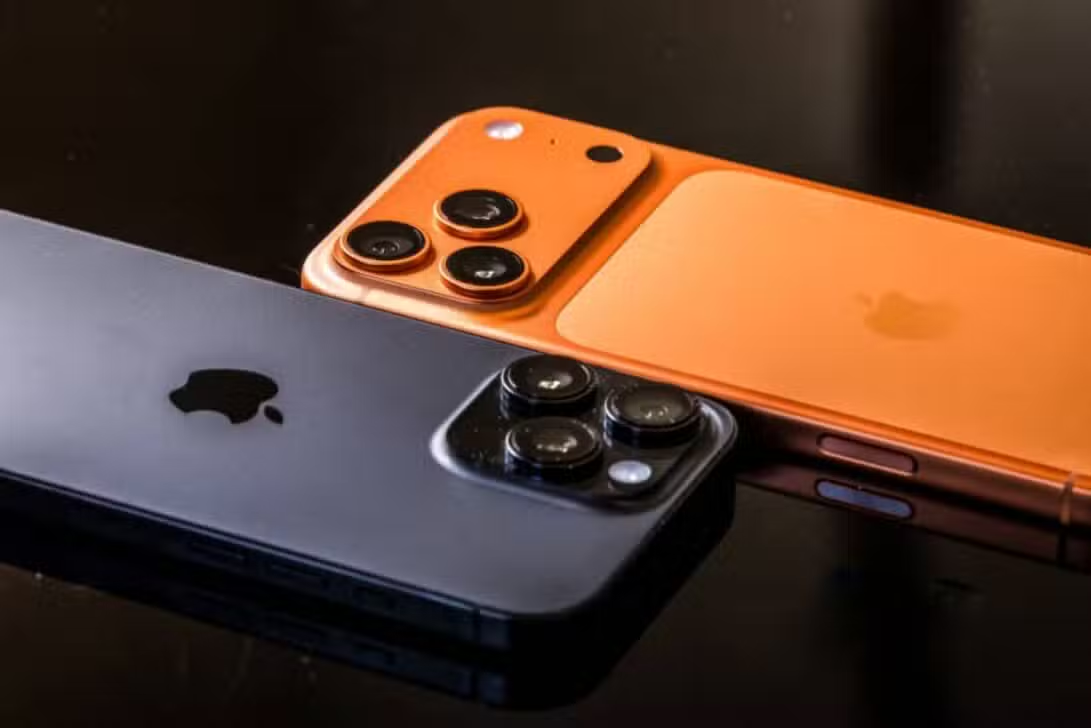
The Cupertino giant’s next generation of high-cost smartphones will undergo a complete overhaul in its physical integrity. The manufacturer is concentrating massive investments in advanced assembly techniques to ensure that its most expensive devices offer much greater durability than models launched in recent years. This movement behind the scenes in the industry appears as a direct response to the structural weaknesses observed recently, where the choice of metallic components ended up compromising the user experience in the long term.
The challenges faced with premature wear of devices
In the recent past, the adoption of aluminum alloys was a strategic decision aimed at reducing production costs and facilitating internal air flow. However, this engineering choice brought significant vulnerabilities to consumers’ daily lives. Frequent reports indicated that the metal was highly susceptible to physical impacts, resulting in deep dents even after falls considered light. In addition to mechanical damage, severe chemical incompatibility became evident when the material interacted with external factors, quickly destroying the original chassis paint.

One of the most alarming situations involved devices losing their factory color within a few weeks of continuous use. The chemical reaction caused by contact with human sweat and exposure to the environment generated aggressive stains, transforming the premium finish into surfaces with orange and pink tones. This cosmetic flaw caused enormous frustration among buyers who paid huge amounts for cutting-edge technology, forcing the development team to look for a definitive solution to the problem.
Industrial innovation and energy efficiency in factories
To overcome these structural and visual obstacles, the California-based corporation devised a completely new surface treatment. This new anodizing method creates an impenetrable shield against corrosion, drastically increasing the density of the metal alloy. As a direct result of this shielding, the smartphone’s exterior remains intact through years of intense use. The technological leap meets exactly the demands of a public that does not accept concessions when it comes to the longevity of their luxury electronics.
Information circulating in the Asian supply chain indicates that this renewed material preparation technique brings enormous benefits to the assembly line. The industrial process requires a substantially smaller amount of electrical energy, aligning production with modern sustainability goals. A great advantage of this system is its operational flexibility, allowing factory conveyors to be paused and restarted without the batches of metal being treated needing to be discarded, which reduces waste and optimizes the operation’s financial performance.
Looking behind the scenes of this engineering, laboratory tests demonstrate that the new approach reduces the temperature needed to melt and shape the metal. This thermal reduction prevents the accumulation of unwanted residues inside electrical molding equipment. Consequently, the final chassis comes out of the machines with an absolutely impeccable external texture, free from any microscopic imperfections that could compromise the beauty or resistance of the phone.
The importance of cooling for the advancement of artificial intelligence
The insistence on improving aluminum goes far beyond visual aesthetics or cutting production costs. In the current technological scenario, where artificial intelligence processed directly on the device requires massive and continuous computing power, thermal management has become the industry’s biggest bottleneck. Aluminum conducts heat considerably faster and more efficiently than the stainless steel or titanium used in previous iterations. Although titanium offers a luxurious appearance, its tendency to retain internal heat limits the maximum performance of modern processors.
This superior thermal dissipation capacity is exactly what the future A20 Pro silicon needs to operate at its maximum capacity. By pushing thermal energy away from the logic board and expelling it through the casing efficiently, the device can perform complex machine learning tasks and run graphics-heavy games without suffering performance drops. Keeping the temperature under control ensures that the user does not face sudden crashes during heavy usage.
The end of the titanium era and the future of the luxury portfolio
Following its traditional secrecy policy, the company does not issue statements about projects that are still confined to its research and development laboratories. However, industry analysts predict that the success of this highly resistant alloy will set a definitive new standard for the brand’s entire luxury portfolio. This encompasses the long-awaited smartphone with a folding screen, a device that requires extremely durable and light materials to support the complex mechanisms of its hinges.
Standardizing this advanced aluminum across all premium devices would eliminate the logistical nightmare of importing and machining rare metals. Working with titanium in factories is a notoriously expensive process that quickly wears out industrial tools. Therefore, this advance in materials science effectively decrees the end of any plan to reinsert titanium in the company’s next generations of cell phones, simplifying assembly and maximizing profit margins.
What to expect from the hardware in the next generation of cell phones
In addition to the structural revolution, the technology market has already compiled a comprehensive list of internal components that should power this next high-end device. The leaked specs point to a massive upgrade in both processing power and multimedia capture.
- 6.4-inch OLED Super Retina XDR luminous panel with refresh rate set at 120 Hz.
- Central processing unit powered by the Apple A20 Pro chip.
- Internal storage capacity reaching a ceiling of 1 TB for large files.
- RAM memory increased to 12 GB, ensuring extreme fluidity when switching applications.
- 18 MP front lens with intelligent autofocus system for video calls.
- IP68 certification ensuring maximum protection against submersion in water and dust ingress.
- Apple C2 communications modem designed for ultra-fast 5G connections and sending alerts via satellite.
- Battery with a capacity of 4,252 mAh, supporting power recharging limited to 25W.
- Navigation and graphical interface managed by the iOS 27 operating system.
The rear optical module represents another significant leap forward for photography enthusiasts. The main sensor should hit the market with 48 MP, featuring a variable light aperture and mechanical stabilization built directly into the component itself. This photographic arrangement will be complemented by a 48 MP periscopic zoom lens for long-distance captures and an ultra-wide-angle camera, also with 48 MP, guaranteeing very high resolution at all focal lengths.
The interactive area located at the top of the screen will also undergo a major redesign. Engineers are working to reduce the physical size of this notch, hiding the complex facial biometric sensors directly under the light panel. This design maneuver will provide users with a much more immersive visual experience, making the most of the useful display space without sacrificing facial recognition security.