New artificial intelligence features set the stage for the Galaxy Watch 9


The next generation of wearables from the South Korean manufacturer, led by the long-awaited Galaxy Watch 9, will transcend the category of simple accessories to consolidate themselves as true well-being assistants guided by advanced algorithms. This perspective was validated by the corporation itself, even though the formal announcement of the equipment has not yet occurred.
This technological transition has left the field of rumors thanks to the initiative of Samsung itself, which decided to anticipate crucial details about the future of its line of watches. The brand provided a generous preview of the unprecedented capabilities that will integrate the ecosystem.

The starting point for this revolution in understanding human metabolism is a major package of improvements aimed at the Samsung Health app. During the presentation of the software’s new features, the Asian giant highlighted that the platform will convert the future watch into a preventative and highly responsive ally.
There is no attempt to hide the company’s commercial strategy; The arrival of a new crop of smartwatches is imminent and will bring with it significant technological leaps.
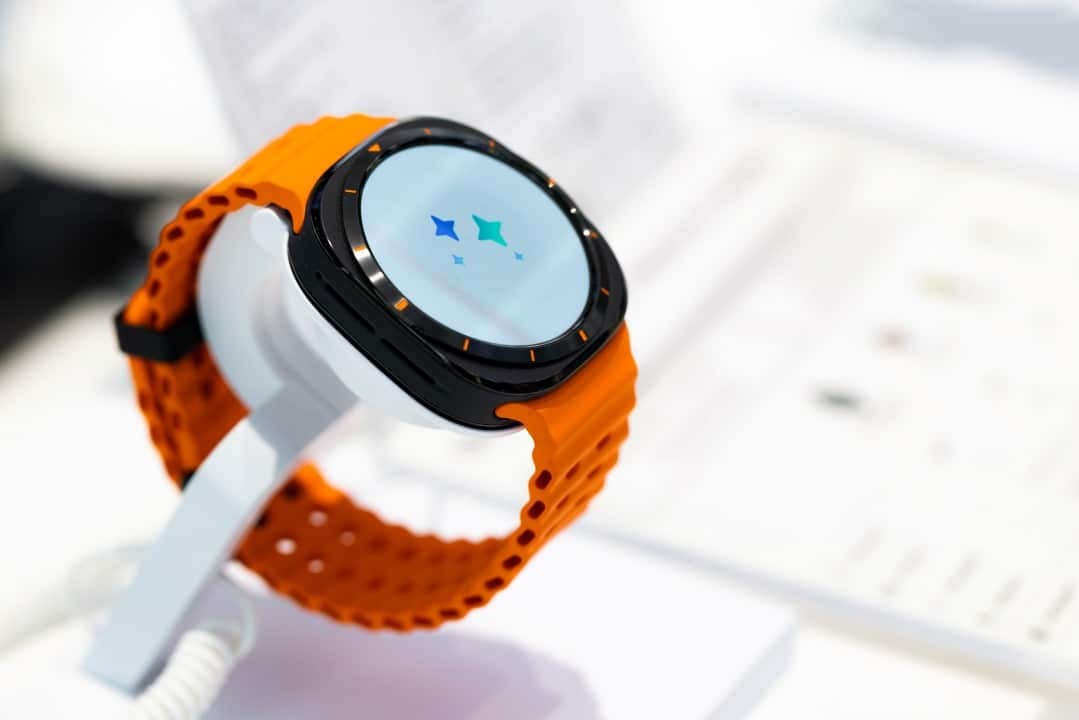
Previous leaks already pointed to a line made up of three variants: the conventional edition, the Classic model and a very high-performance version called Watch Ultra 2, which will possibly support 5G networks. However, the recent statements represent the most direct confirmation ever made by the manufacturer about the unprecedented portfolio.
Issues related to the aesthetics, construction materials and internal specifications of the watches remain under wraps, maintaining mystery over their appearance and comfort in daily use. Despite this, structural modifications to healthcare software provide valuable clues about the system’s operation.
Using these newly announced tools, it becomes feasible to project which utilities will be highlighted in the interface of the next wearable, drawing a clear scenario of what is to come.
How advanced algorithms will redefine everyday watch use
Consolidated as one of the pioneers in the popularization of artificial intelligence on mobile devices, recently driven by the Galaxy AI ecosystem on smartphones, the company now positions its medical application as an environment entirely guided by machine learning. The question remains, however, whether the Bixby voice interface will be the main driver of this technology on the user’s wrist.
Analyzing the details of the announcement, it is clear that the algorithmic protagonism will take place through the unprecedented “Energy Resource”, a metric calculated from the intersection of five fundamentals: quality of rest, daily movement, eating habits, mental alertness and heart rate.
In practice, the system works as a “human battery” meter, a fatigue gamification mechanic that niche competitors, such as Garmin, have been successfully exploiting for some time.
Integrated into the user’s panel, this global score will generate exclusive prophylactic recommendations, anchored in those five metrics, aiming to motivate the individual to intensify training or take strategic breaks for muscle recovery.
Visualizing this data on the cell phone screen already represents a considerable advance, but the real paradigm shift happens when this continuous reading is transferred directly to the accessory’s screen.
After all, the central role of the smartwatch in this ecosystem is to act as the uninterrupted sensor capable of capturing these biological variations and displaying them immediately.
The market’s expectation is that the ninth generation of the watch will place the energy meter at the center of its navigation, transforming vitality monitoring into the device’s most frequently accessed function.
Similar strategies have already proven their worth in the industry: Apple’s colorful motion circles dictate the pace of use of its wearables, an engagement tactic that was also a hallmark of Fitbit in its commercial heyday.
Simplified visual summaries are great for general audiences who just want a quick gauge of their fitness. On the other hand, high-performance athletes often require complex spreadsheets, which raises the hypothesis that the Ultra 2 variant allows you to hide this basic score in favor of detailed graphs.
Evolution of the tracking system for amateur and professional runners
The current generations of the South Korean manufacturer, in parity with a large part of the wearable technology market, already provide virtual assistants for track activities, helping athletes achieve mileage goals.
The major bottleneck of these current solutions, encompassing the brand’s own native system, lies in the rigidity of the algorithms, which ignore external variables when dictating the training pace.
Today, the software can structure a monthly spreadsheet focused on a marathon, for example, but fails when trying to recalculate the route if the user’s body undergoes unforeseen changes throughout the week.
Think about a scenario where the schedule requires an intense ten-kilometer ride on a Tuesday morning.
If the individual wakes up with muscle pain from a previous workout, or, in the opposite situation, feels refreshed after an excellent night’s sleep and adequate nutrition, the current assistant is unable to relax the requirement, keeping the blind goal at bay.
This rigid scenario is about to change with the introduction of the “Daily Cardio Load”. The new meter will cross-reference the history of cardiovascular fatigue with current conditioning to deliver dynamic training, going so far as to recommend entire days of absolute rest to avoid injuries.
Added to this, the company revealed the “Physical Fitness Index”, a comparative panel that crosses the owner’s performance with databases of users in the same age group, facilitating the identification of muscular or respiratory deficiencies.
Over the last decade, the smart bracelet industry has flooded the market with virtual trainers focused on breaking personal records and overcoming limits, making this function the sector’s main selling point.
What was missing was an intelligence capable of reading the complete panorama of the user’s biology before sending him running. The Asian manufacturer’s promise is to fill exactly this gap with daily cardiac load analysis.
It is clear that extreme customization will be the greatest asset of the next release. A running assistant that understands the physical context of the moment solves the main frustration of athletes and justifies the investment in state-of-the-art sensors.
New metrics promise to revolutionize the analysis of night rest
As highlighted in previous topics, the quality of rest was elevated to the category of a fundamental pillar in the company’s new well-being ecosystem.
The application’s previews do not point to a drastic visual change in the nighttime analysis interface, but they make it clear that data capture during the night will reach an unprecedented level of precision.
When detailing the vital signs tab, the corporation explained that the system will now check five biological indicators while the user sleeps: heartbeat rhythm, heart rate fluctuation, respiratory cycles, epidermal heat and oxygen saturation.
As soon as the individual wakes up, artificial intelligence will instantly scan these numbers, triggering preventive notifications if it detects any anomaly in relation to the standard history.
The logic behind this ad is simple: cell phone software cannot measure body temperature. Therefore, this predictive capacity depends exclusively on the hardware present in the watch, which acts as the physical bridge between the body and the algorithm.
The versions that are already on the market will receive partial support for these innovations, which explains the company’s rush to update the health platform weeks before the official hardware launch event.
Despite backward compatibility, the expectation is that the ninth generation will bring a completely redesigned internal architecture, housing more sensitive sensors and a battery capable of supporting the uninterrupted reading of complex metrics without discharging before dawn.
In general terms, clinical rest mapping will no longer be a secondary resource but will become the heart of the experience of using new equipment.
Monitoring sleepless nights is not something new for the manufacturer, but after facing criticism in the past due to inconsistencies in the sleep charts of previous models, the technological giant now has an obligation to deliver laboratory precision to regain the trust of the most demanding consumers.