
New technology reveals explosion of life in the mesopelagic zone and alerts scientists

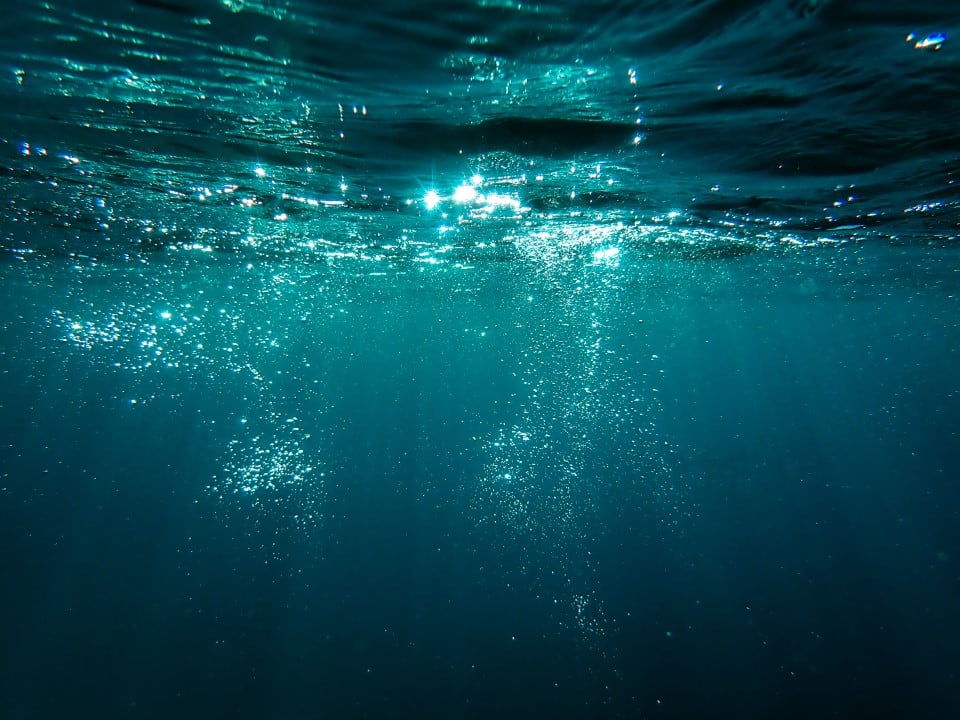
A vast underwater domain, located between 200 and 1,000 meters below the sea surface, houses a biological volume that defies previous understandings of science. Known technically as the mesopelagic zone, this strip of almost total darkness hides a complex and abundant food web. Recent oceanographic expeditions indicate that the number of organisms living at this depth drastically exceeds any calculations made in recent decades, transforming the place into one of the largest habitats on planet Earth.
Extreme adaptations and the peculiar fauna of the deep sea
The harsh environment shaped creatures with impressive physical characteristics to ensure survival in the constant dim light. Organisms like the vampire squid, luminescent siphonophores, and the feared devilfish have developed unique evolutionary tactics over millions of years. The almost total absence of sunlight caused many of these species to acquire translucent bodies and the ability to generate their own lighting, a chemical process called bioluminescence, used both to attract prey and to confuse larger predators.

In addition to their frightening appearance, with disproportionate jaws and overdeveloped or almost non-existent eyes, as seen in the tiny lizardfish, these animals are the protagonists of a colossal daily phenomenon. Every night, billions of tons of biomass rise to the surface to feed, returning to the depths before dawn. This vertical migration, considered the largest synchronized movement of animals in the world, is fundamental for transporting carbon from the atmosphere to the seabed, helping to silently regulate the global climate.
Modern equipment corrects historical measurement errors
For a long time, the extreme difficulty of accessing such deep waters under high pressure kept the academic community in the dark about the real magnitude of this ecosystem. Today, the use of broadband sonars, autonomous underwater vehicles and very high-resolution cameras allows for precise and non-invasive scanning of the water column. Heidi Sosik, researcher and chief scientist at Woods Hole Oceanographic Institution (WHOI), points out that the new acoustic data indicates a presence of life 10 to 100 times greater than old mathematical models suggested.
The discrepancy in past numbers occurred because traditional trawl nets were unable to capture the more agile species, which quickly fled when they detected vibration and the approach of research vessels. With modern acoustic technology, biologists are able to map population density without interfering with the environment, revealing thick layers of fish and small invertebrates that previously went completely unnoticed by conventional measuring instruments.
The advancement of the fishing industry into unknown territory
Mapping such a gigantic stock of biomass immediately aroused strong economic interest from international fleets. The possibility of extracting mesopelagic fish for the large-scale production of fishmeal, omega-3-rich oils and aquaculture feed puts the ecosystem at imminent risk. Researchers fear that industrial-level exploitation will begin even before science is able to map the basic dynamics of survival and reproduction of these marine populations.
To understand the gravity of the situation and the risks of environmental collapse, oceanographers list critical gaps in current knowledge that impede any safe management plan:
- The exact growth rate and time required for abyssal species to reach sexual maturity.
- The average life expectancy of organisms that inhabit waters with temperatures close to four degrees Celsius.
- The frequency of reproductive cycles and the real capacity for population recovery after mass removal.
- The direct impact of removing these animals on the food chain of large surface predators, such as tuna, sharks and whales.
Without these fundamental biological metrics, creating catch quotas or responsible extraction practices becomes an impossible task for international regulatory bodies. Unrestrained removal could cause a destructive domino effect not only in the mesopelagic zone, but throughout the oceanic structure that depends closely on this middle layer for nutrient cycling.
The urgency to decipher the mysteries of the mesopelagic ecosystem
Each new scientific expedition brings to light a volume of information that highlights how little humanity knows about the planet itself. Scientist Heidi Sosik compares the situation to exploring a parallel dimension, a true limit of imagination, where known biological rules seem to operate under a totally different logic. The current perception within research institutes is that human ignorance about the functioning of the seabed is still vast, requiring massive and immediate investments in basic research.
The race against time requires governments to transform raw data into strong international protection policies. Establishing treaties that prohibit predatory fishing in the mesopelagic zone is the only viable barrier between the preservation of this mysterious habitat and its irreversible degradation by human activity. Continuous and careful mapping of this underwater boundary will define the ecological balance and health of the oceans for decades to come.




