
Leaked details reveal technical gulf between Apple’s future foldable cell phone and the Pro line

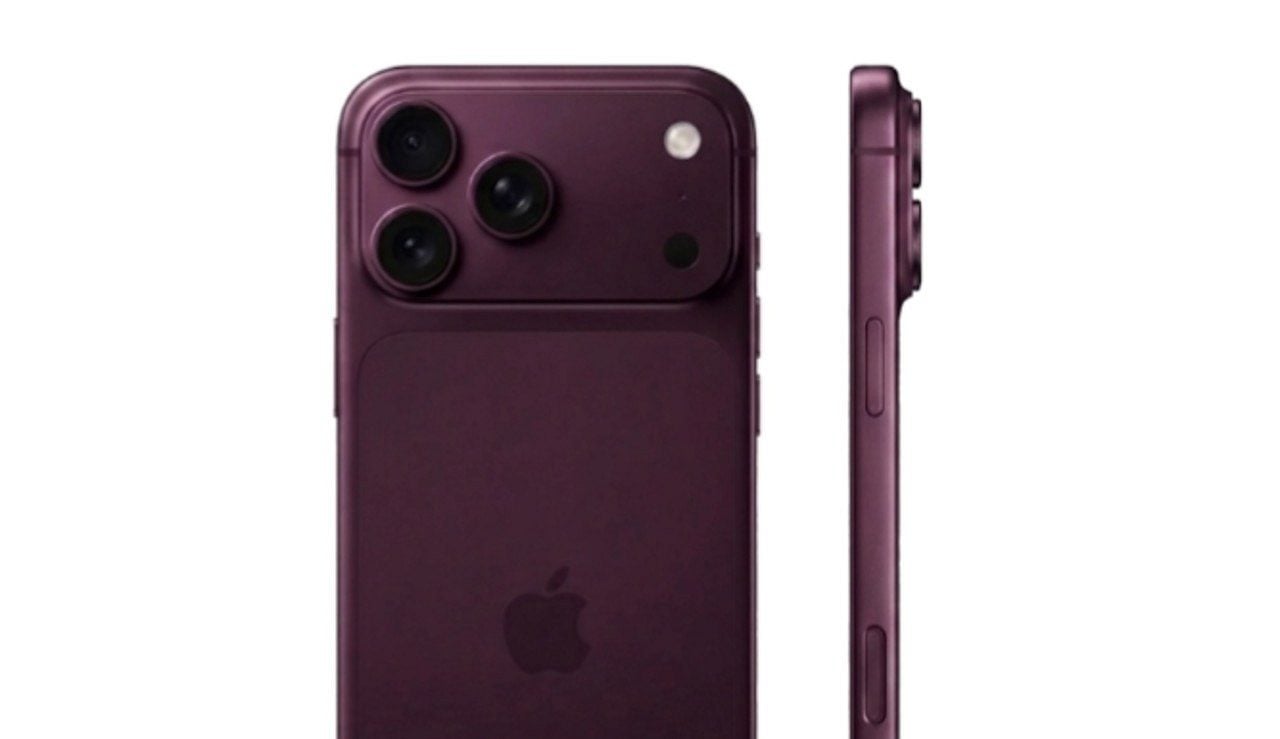
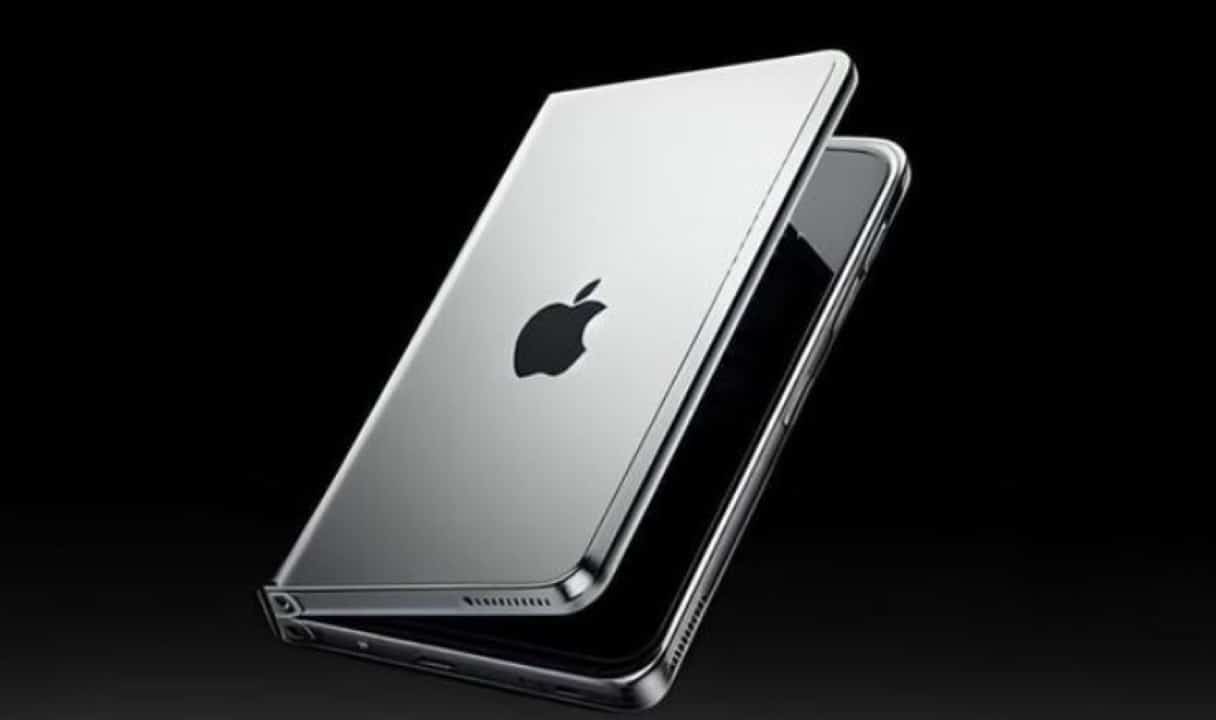
The global technology market awaits with great anticipation the Cupertino giant’s moves for the second half of 2026, a period that promises to redefine the brand’s portfolio. The company plans to launch two high-end devices with completely different focuses, aiming to serve both traditional consumers and new trend enthusiasts. On the one hand, the version focused on photographic performance and autonomy will receive robust updates, while on the other, the company will finally enter the fray of devices with flexible screens. This late debut puts the manufacturer face to face with competitors like Samsung, which has dominated this segment for years and has set the market standard.
The big highlight of this new generation will be the introduction of an expandable 7.8-inch internal panel in the new device, provisionally named to differentiate its category and justify a likely higher cost. Meanwhile, the conventional high-performance version will focus on refining the experience already known to users, focusing on superior power management and more advanced lenses. The purchasing decision will require the consumer to carefully evaluate whether they prefer the security of a consolidated technology or the innovation of a transformative format that changes the way they interact with the operating system.
New two-nanometer processor sets the pace for performance
Under the hood, both smartphones will share a significant advance in terms of semiconductors, using the unprecedented chip manufactured by Taiwanese TSMC under 2 nanometer lithography. This extreme miniaturization of the transistors allows the part to deliver up to 15% greater operational speed, in addition to reducing battery consumption by around 30% when compared to the previous generation. This is a fundamental architectural leap to support artificial intelligence features that require intense local processing, reducing chassis heating during heavy tasks.
However, the manufacturer must apply a subtle segmentation between the components that will equip each variant, creating performance levels. Strong rumors from the supply chain indicate that the photography-focused edition will receive an exclusive version of the processor, equipped with extra graphics cores and a more robust neural engine. The model with a flexible screen, in turn, must use the standard version of the component, a strategy that helps control the production costs of hardware that is already naturally expensive due to the complex folding mechanism.
Physical limitations affect the photographic configuration of the flexible device
The most striking difference between the two proposals lies in the optical assembly positioned on the back of the phones. The traditional high-end edition will sport a triple capture module, introducing for the first time in the brand’s history a 48-megapixel main lens with variable diaphragm aperture. This mechanical technology allows the camera to physically adjust the light input, closing in very sunny scenarios to avoid overexposure and opening as much as possible in dark environments, ensuring natural background blur that is less dependent on software tricks.
In contrast, the innovatively shaped device will need to sacrifice photographic versatility in the name of structural engineering. The articulated chassis does not offer enough depth to house the coveted telephoto lens with eight times optical zoom, restricting the device to just two rear sensors. Although the two 48 megapixel cameras guarantee very high quality recordings for everyday life, the absence of a dedicated zoom highlights the compromises necessary to make the compact and foldable design viable.
To better understand how the sets are divided, look at the expected specifications for launch:
- Version focused on photography: triple module with adjustable diaphragm and exclusive zoom lens for long distances.
- Expandable Display Edition: Dual module optimized for slim chassis without advanced optical zoom capability.
- Practical advantage: superior night captures and greater visual range guaranteed in the traditional bar format.
Energy autonomy raises doubts about the viability of the new format
Energy management emerges as the main asset of the conventional line, especially in its larger screen variant. Leaked documents from Asian suppliers indicate that this model will house a power tank with a capacity of between 5,100 and 5,200 mAh. Combined with a panel with advanced dynamic update technology, which reduces the frame rate when the screen is static, this specification promises to considerably extend the time of use away from sockets, consolidating the device as the definitive choice for intensive users.
The scenario changes drastically when we analyze the foldable phone, whose autonomy remains a worrying mystery behind the scenes of the industry. Powering an internal display nearly the size of a tablet requires a massive amount of power, but internal space is severely contested by the hinge system. With a projected thickness of 11 millimeters when closed, engineers face the colossal challenge of fitting a decent power cell without turning the phone into a cumbersome and uncomfortable piece of equipment for daily carry.
Structural challenges require caution from first-time buyers
Adopting the first generation of any disruptive technology carries inherent risks, and the American company’s new format is no exception. Fundamental issues such as the resistance of the central joint over the years, the visibility of the crease on the screen after thousands of openings and protection against accidental drops will only be truly tested when the product reaches the hands of the public. Furthermore, the lack of internal space forced the removal of the popular rear magnetic charging system, a considerable loss for those who have already invested heavily in the brand’s accessory ecosystem.
Given this technical panorama, the decision to update depends directly on each individual’s usage profile. Professionals who depend on photographic excellence, long-lasting battery life and full compatibility with magnetic accessories will find the high-end classic version a safe and refined investment. The practically unchanged dimensions compared to the previous generation guarantee immediate familiarity and comfort, with an operating system perfectly optimized for that screen format.
On the other hand, enthusiasts willing to pay the price for innovation must consider whether the enlarged viewing area compensates for the losses in camera and the uncertainties about the physical durability of the product. Historically, waiting for the second iteration of a revolutionary piece of equipment has often spared consumers the headaches of early design flaws. The ultimate choice will be between the absolute reliability of a mature ecosystem and the excitement of carrying a new category of mobile computing in your pocket.





