Samsung’s new foldable smartphones were officially revealed, but one detail caught the attention of technology enthusiasts: the absence of a suitable magnetic support for Qi2 charging. While MagSafe has established itself as an essential feature on iPhones since 2020, Qi2 won approval from the Wireless Power Consortium in 2023, paving the way for Android phones to widely adopt magnetic alignment in charging.
Despite Qi2 approval, several Android brands only offer “compatibility” with the standard, which means their devices do not have internal magnets. The expectation was that Samsung, leader in the smartphone market, would be among the first to fully implement Qi2. However, the launches of the Galaxy Z Fold 8 line in 2026 disappointed by not featuring this crucial functionality.
The Importance of Qi2 Magnetic Stand for User Experience
Many users consider magnetic charging to be a key feature, especially on high-cost devices like the Galaxy Z Fold 8 Ultra. While there are other reasons to opt for a foldable smartphone, a significant investment is expected to ensure the presence of all important features, and full Qi2 support is seen as one of them.
The absence of magnets in the device can lead to recurring frustrations, such as charging failures or interruptions caused by misalignment, a common problem for those who have pets. Although there are magnetic cases that mitigate the issue, they limit the freedom to use the phone without a case or with different models, imposing an unnecessary compromise for a premium device.
The possibility of adding magnets without compromising the thickness of the device
Questions were raised about the difficulty of including magnets in smartphones, even in foldable models, which are naturally thinner. However, the Pixel 10 Pro Fold has already demonstrated that it is possible to incorporate these components. Even though the Z Fold 8 Ultra is thinner than the 10 Pro Fold, there would be no stopping Samsung from adding a little more thickness to accommodate the magnets.
Samsung has focused on creating foldable devices that are as thin as possible. However, a small increase in thickness should not be a deciding factor for consumers, especially considering that the new devices are already almost as thin as the Galaxy S line when closed and significantly thinner when opened. The company deserves recognition, however, for its adoption of silicon-carbon batteries. This technology offers great potential for more efficient and reliable batteries, although it raises the question of whether the priority between silicon-carbon and full Qi2 support should tip towards charging practicality.
On July 22, 2026, Samsung officially unveiled its new series of foldable smartphones: the Galaxy Z Fold 8 Ultra, the Z Fold 8 and the Z Flip 8. A highlight of the launch is the full adoption of silicon-carbon batteries, a technology that the company avoided in the Galaxy S26 line. Although they are not the first Androids to use these batteries, the development is notable as competitors like Google and Apple have not yet implemented them.
Silicon-carbon batteries can store more energy, but the silicon expands more than the graphite in traditional batteries. Considering Samsung’s previous problems with batteries, such as the Note 7, the company’s caution in introducing this new technology is understandable. Reports indicate that Samsung managed to equip the Galaxy Z Fold 8, Z Fold 8 Ultra and Z Flip 8 with these batteries without compromising the autonomy that Galaxy line users are known for.
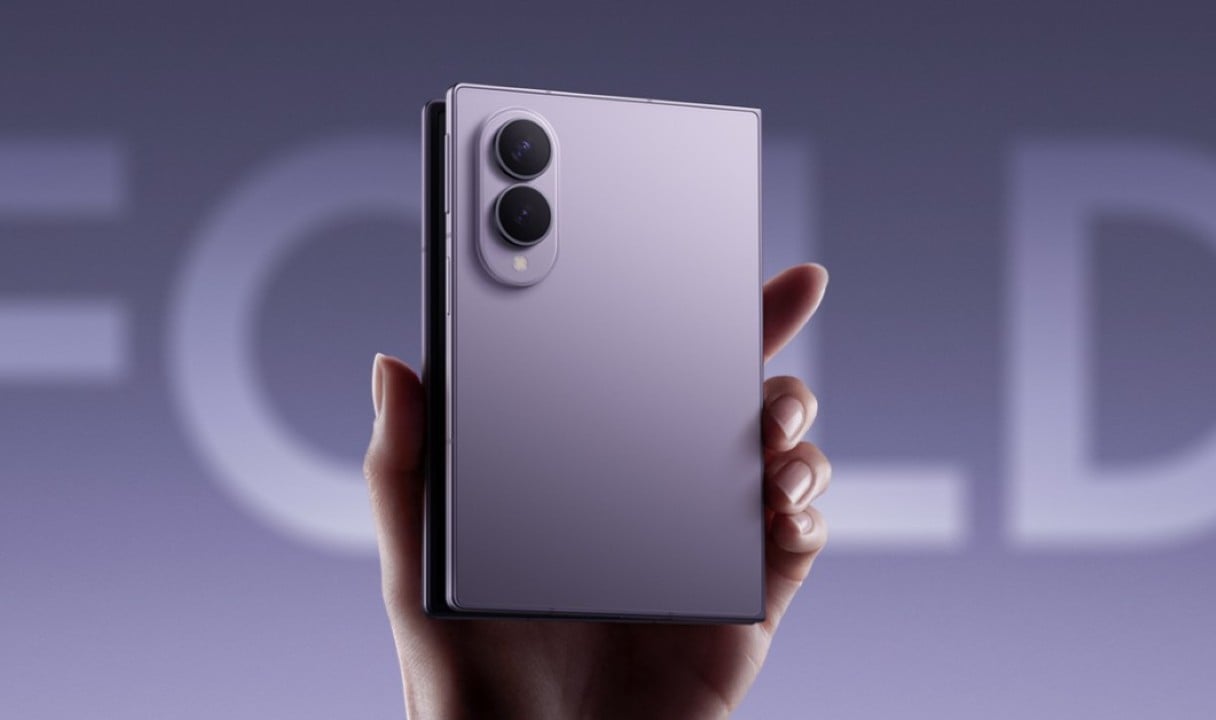
Reliability of silicon-carbon batteries in new foldables
It is strategic for Samsung to prioritize silicon-carbon batteries in its foldable models. These devices demand slim designs, but without giving up expected features, such as long battery life, fast charging and high-performance software. Based on available information, the new devices promise impressive performance, and a high-capacity battery is vital to sustain these advanced components.
Samsung said it has invested a lot of resources in “optimizing the percentage of silicon” in the batteries of the Galaxy Z Fold 8 and Z Flip 8 lines. The company designed the system “from the material level” to ensure not only high capacity, but also the expected stability and reliability, while maintaining a thinner form factor. The capacity of the Galaxy Z Fold 8 Ultra has risen to 5,000 mAh, a notable improvement compared to the 4,400 mAh of the Galaxy Z Fold 7, now equal to traditional smartphones like the Galaxy S26.
The impact of new features on the final price of devices
The main disadvantage of implementing silicon-carbon is the need to purchase a new smartphone to enjoy the benefits, something increasingly difficult to justify with rising prices due to the scarcity of RAM memory.
Price increases have also affected the Galaxy Z Fold line, although direct comparison is complex this year as Samsung has gone from a single book-style foldable (Z Fold 7) to two (Z Fold 8 and Z Fold 8 Ultra). The Galaxy Z Fold 8 starts at $1,899.99, while the Z Fold 8 Ultra starts at $2,099.99. For context, last year’s Z Fold 7 started at $1,999.99. The difference is approximately US$100 for the lower storage versions (256GB), with the 1TB Z Fold 8 Ultra coming in at US$2,699.99.
In other markets, the Galaxy Z Flip 8 starts at US$1,199.99 for the 256GB version, representing a US$100 increase over the 256GB Galaxy Z Flip 7, which cost US$1,099.99.
The introduction of the “Ultra” name for the Z Fold 8 Ultra marks a high-end version, complementing the new Z Fold 8, which has a wider design. While these price increases are not considered exorbitant, it is important for consumers to be aware of what to expect when considering purchasing one of Samsung’s latest foldables to try out the silicon-carbon battery.