
July supermoon sets the stage for historic total solar eclipse in Europe in 2026

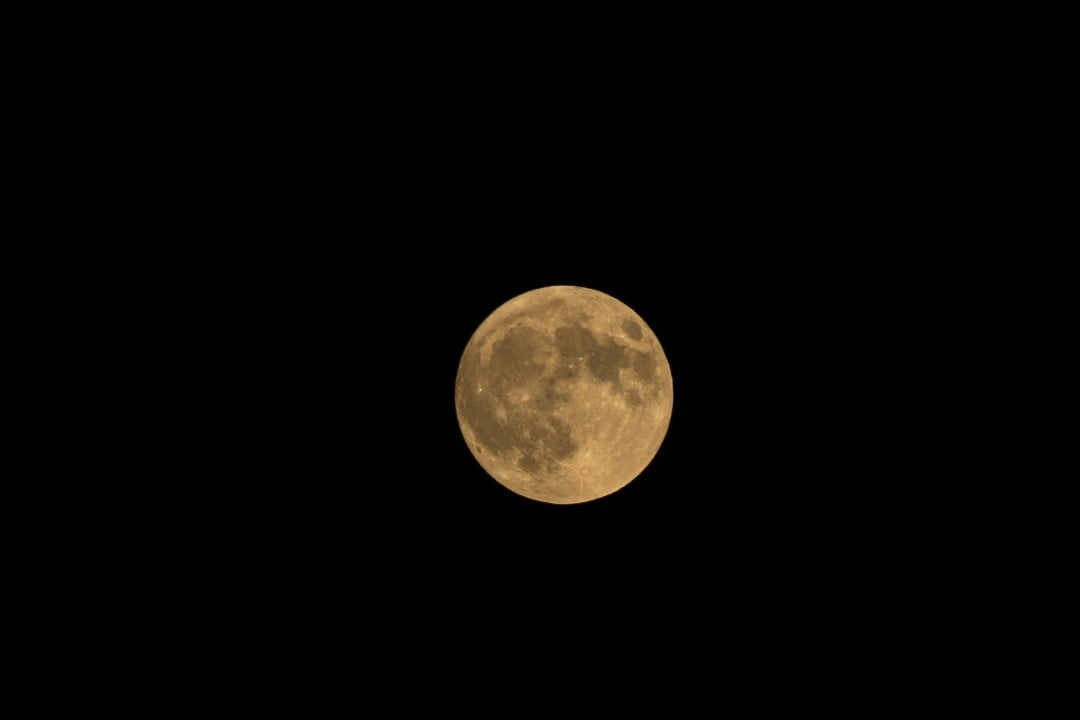
The astronomical calendar has a grand spectacle in store for the coming years, with a notable warming occurring at the end of July. The traditional full phase of our natural satellite, expected to shine brightly on the 29th, will serve as a visual preview for an even more dramatic phenomenon. This is a mechanical test of the solar system for the long-awaited total eclipse of August 12, 2026, which will turn day into night in specific regions of the European continent.
This gravitational dance between celestial bodies illustrates the mathematical precision of our galaxy, where each orbit works like a perfectly synchronized gear. Although the peak of night illumination occurs at the end of July, the transition to the following phases will allow an exact alignment between the Earth, the Moon and the Sun. Researchers point out that the interval between these two celestial events already generates enormous expectations both in astrophysics institutes and among amateur observers around the globe.
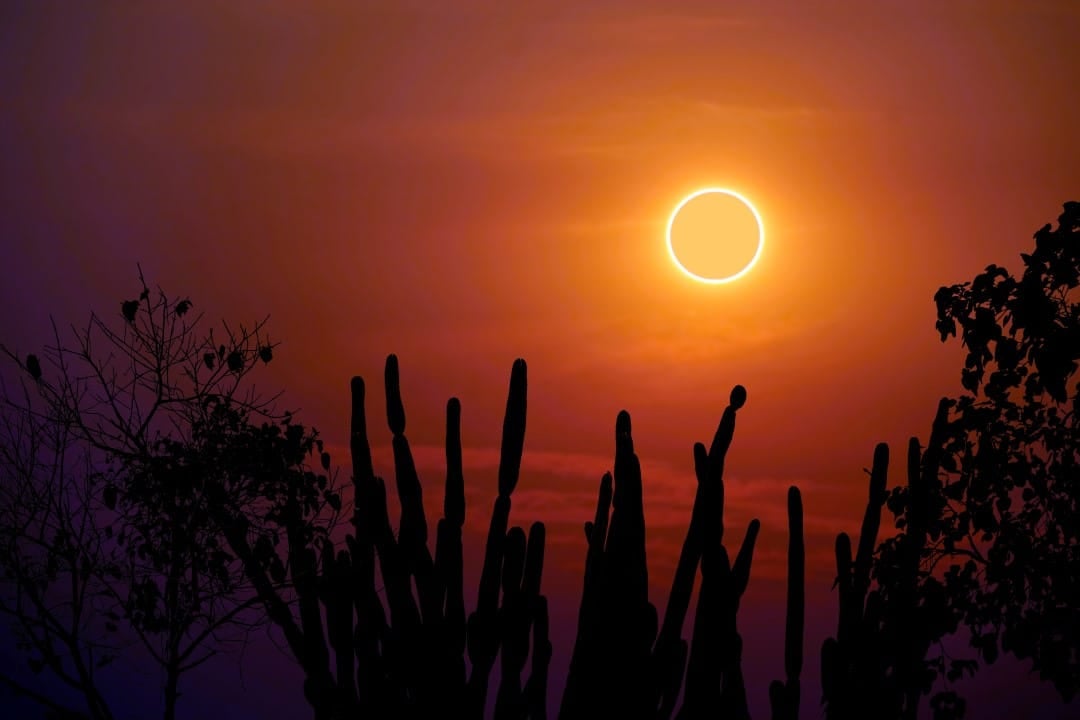
Complete blocking of sunlight often draws crowds into bands of totality, boosting lucrative international science tourism. The sequence that begins with the emblematic full moon and culminates in the daytime blackout creates a privileged observation window for scientists. Space agencies have already started mapping the best geographic coordinates to record changes in the Earth’s atmosphere, especially the abrupt drop in temperature that accompanies sudden darkness.
Historical roots and the symbolism of the lunar phase during summer in the Northern Hemisphere
The peculiar nomenclature given to this July lunation bears a direct inheritance from the ancient native tribes of the North American continent. Original peoples, notably the Algonquian nation, used environmental changes to measure the passage of time and organize their hunting and harvesting seasons. The specific term, popularly known as Deer Moon, makes a direct reference to the biological cycle of large male mammals that inhabit the temperate forests of that region.
During the peak of the hottest season in the Northern Hemisphere, deer enter a phase of accelerated growth of their antlers, which appear covered in a thin layer of velvety tissue. This annual process of bone renewal coincides exactly with the moment in which the celestial vault receives its maximum illumination at this time of year. Close observation of nature allowed these communities to develop a calendar perfectly aligned with the behavior of local fauna.
In addition to the connection with the animal kingdom, other ancestral cultures also named the same period with different names, reflecting the climatic characteristics of their own territories. Some traditions call the event the Thunder Moon, due to the high incidence of summer electrical storms that usually hit the plains on sultry afternoons. All this folklore richness adds a layer of cultural fascination to the purely mathematical data of contemporary astronomy.
Dark route and the most favorable European destinations for observation
The peak of solar energy blocking, which will follow the July lunar cycle, has an extremely specific visibility route coveted by eclipse hunters. The band of totality will cross the remote waters of the Arctic Ocean, passing through Greenland and Iceland before touching down on the European continent. This downward trajectory will provide dramatic scenery, with the black sun hovering first over frozen landscapes and then over the open sea.
In Europe, the Iberian Peninsula will take on the role of the show’s main stage, offering unique geographical conditions for contemplating the phenomenon. Cities located in northern Spain and specific areas of Portugal will have the privilege of witnessing the day completely darken moments before sunset. The star’s low elevation on the horizon will create optical illusions and atmospheric distortions that will yield spectacular photographs and valuable data for solar physicists.
The rarity of an event of this magnitude crossing densely populated European nations makes the occasion all the more exceptional for the general public. Unlike eclipses that occur over open oceans or inhospitable deserts, local infrastructure will make it easier for millions of people to access the zone of maximum darkness. Traffic and tourism authorities are already studying the logistical impact that this mass movement will cause on European highways during the week of the event.
Celestial calendar and the interference of luminosity in meteor showers
The end of July and the beginning of August form one of the most dynamic windows for observing space with the naked eye. The intense brightness of the natural satellite on July 29th will directly affect the visibility of other smaller celestial bodies that cross our atmosphere. Famous meteor showers, such as the Perseids and Delta Aquarids, reach their peaks of activity precisely during this monthly transition, requiring patience from observers.
To maximize the contemplative experience in this intense season of space activity, experts recommend rigorous planning. The combination of different phenomena requires different preparations, depending on what the observer wants to prioritize on their night or day journey. Some fundamental practices guarantee the success of an astronomical expedition:
- Map travel routes to rural areas that have low levels of light pollution and a lower probability of cloud cover.
- Purchase internationally certified solar filters in advance, capable of blocking ultraviolet and infrared radiation during partial phases.
- Confirm the exact start and end times of totality for the specific geographic coordinates where the observation group will be positioned.
The absence of artificial light in the surrounding area is the most critical factor for those who want to photograph the meteor trail before the new moon brings the eclipse. Photographic equipment needs to be calibrated in advance, as the window to record the solar corona lasts only a few precious minutes. Amateur astronomy teams often carry out simulations months in advance to ensure that no technical details fail at the decisive moment.
Global mobilization and the risks of ignoring eye safety protocols
Eye integrity remains the number one concern of health authorities and professional astronomers during solar alignment. Facing the photosphere directly, even when it is almost completely covered, causes irreversible burns to the retina in a matter of seconds. Common sunglasses, X-ray plates or old photographic film do not offer the necessary protection against invisible rays that destroy visual cells.
The optical equipment market tends to see a rapid depletion of displays certified with the ISO 12312-2 seal as the date approaches. Schools and science centers play a vital role in distributing accurate information and organizing safe public viewing events. Mass awareness is what prevents a magical moment in science from turning into a medical emergency for thousands of unsuspecting people.
The financial impact on the regions that host the totality band also requires strong government preparation. Hotel chains in Spain and Portugal project maximum occupancy, while airlines are already planning extra flights to meet international demand. All this movement confirms that the mechanics of our solar system continue to exert a profound and palpable influence on the organization of contemporary society.





