
Formula 1: CEO Stefano Domenicali questions the value of ‘real’ overtaking


The debate about the authenticity of overtaking in Formula 1 gained a new chapter with the statement from the category’s CEO, Stefano Domenicali. He defends the thesis that fans don’t care whether a stunt is “real” or not, focusing more on the emotion and spectacle of the race. This perspective comes at a time of major regulatory changes, which profoundly alter the way drivers seek positions on the tracks. The controversy lies in the public’s perception of technological interference in the competitors’ individual performance and ability.
Traditionally, “real overtaking” is associated with a maneuver purely based on the driver’s technique, car configuration and reading of the race, without external aids. However, the modernization of motor sport has introduced elements that aim to increase competitiveness and the number of position changes, raising the question of where the value for the spectator lies.
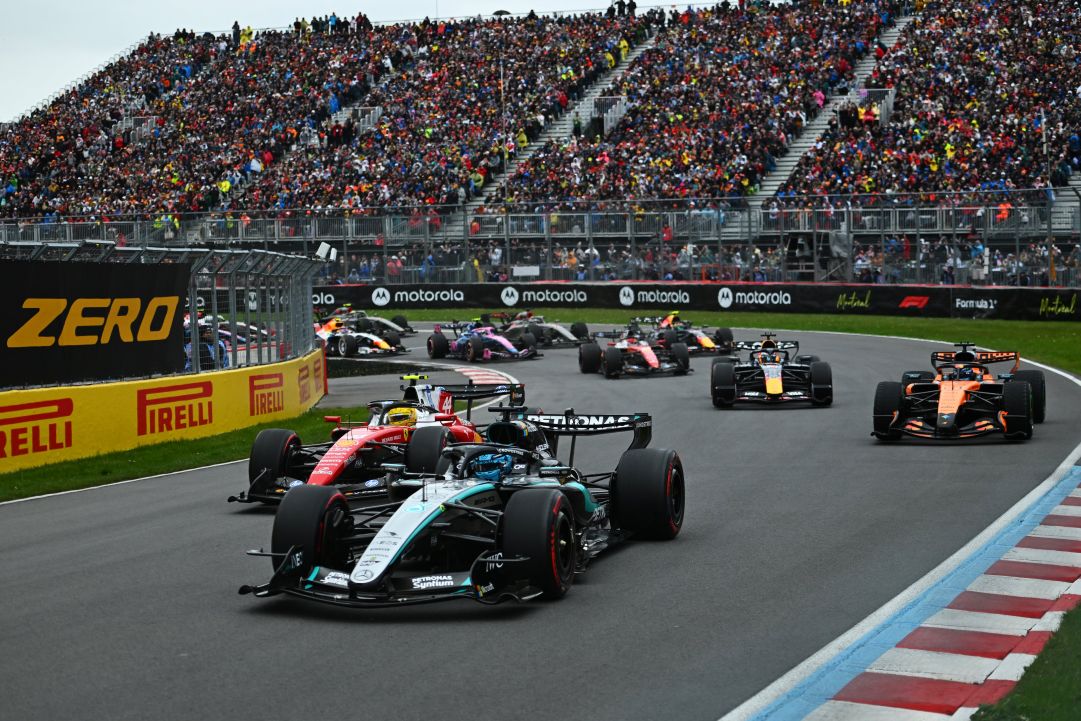
How the new 2026 rules impact racing dynamics
Formula 1 is preparing for a significant transformation with the rules that will come into force in the year 2026, as announced. These changes aim not only to modernize the category, but also to redefine overtaking strategies during races. One of the central points is the drastic increase in dependence on electrical energy in cars, changing the power balance and maneuvering opportunities.
The regulation, in its first year of application, marks the end of devices such as the DRS (Drag Reduction System), which was an aerodynamic resource used to facilitate overtaking. With the removal of DRS, the category is looking for a new way to stimulate disputes, transferring this function to the electrical component of the engines. This is an ambitious step that promises to reconfigure the dynamics of racing and the way fans experience the spectacle of F1.
The role of electrical energy in the new F1 regulations
From 2026 onwards, electrical energy will become an even more crucial factor in the performance of Formula 1 single-seaters, especially when it comes to overtaking. While in the past DRS offered an aerodynamic advantage in specific sections, the new system will depend directly on the power released by the battery. This means that energy management will become an even more valued skill for pilots.
The intention is for the cars to use this extra power to create the difference in speed necessary to perform maneuvers on the track. Instead of opening a wing, pilots will have to manage the flow of electrical energy to obtain the momentary impulse that will allow them to overcome an opponent. This mechanism represents a fundamental change in engineering and piloting, requiring new tactical approaches from teams and competitors.
What the switch from DRS to electric power means for the show
The replacement of the DRS system by dependence on electrical power for overtaking raises important questions about the future of the spectacle in Formula 1. For enthusiasts, the “reality” of an overtake often translates into the absence of devices that facilitate the maneuver, valuing the pure skill of the driver. With the new regulations, the challenge is to maintain the excitement of the disputes, even with a greater technological component involved.
Stefano Domenicali, CEO of F1, seems to bet that fans are more interested in the result – the change of position and the action on the track – than the exact method. The expectation is that, with the strategic use of electrical energy, the races will continue to offer moments of high tension and fierce disputes. This transition aims to balance technological innovation with spectators’ passion for a dynamic and unpredictable sport.
Stefano Domenicali’s view on fan engagement
The statement by Stefano Domenicali, CEO of Formula 1, suggests an understanding of the psychology of the modern sports fan. He believes that the spectators’ primary concern lies in the occurrence of the overtaking itself, in the heat of the dispute and the emotion generated by it, and not so much in the exact way in which it is accomplished. This perspective indicates a focus on delivering a captivating entertainment product.
For Domenicali, the main objective is to ensure that the races are exciting and action-packed, whilst maintaining the public’s interest. The use of technology, whether aerodynamic in the past or electric in the future, would be a means to this end. The quest is for a balance between the essence of motorsport competition and the need to deliver a dynamic show that resonates with a global and diverse fan base, many of whom may not be technical purists.
Key aspects of the 2026 regulatory changes
The new Formula 1 rules for 2026 promise to redefine the category’s competitive and strategic scenario. Among the main changes, the following stand out:
- Increased electrical dependence:Cars will have a greater portion of their power coming from electrical systems, crucial for performance and, especially, for overtaking.
- End of aerodynamic DRS:The drag reduction system, which allowed opening a wing in straight lines to facilitate maneuvers, will be discontinued.
- New overtaking mechanism:The difference in speed to overtake will be generated mainly by the extra power released by the battery, requiring new energy management.
- Chassis review:In addition to the engines, the chassis design will also undergo adaptations to align with the new aerodynamic and power philosophy.
- Impact on strategy:Pilots and teams will have to develop new tactics to optimize the use of electrical energy and identify the best moments to attack and defend.
Repercussions of the declaration among enthusiasts and pilots
CEO Stefano Domenicali’s position tends to generate heated discussions both among more traditional enthusiasts and among Formula 1 drivers and teams themselves. For many purists, excessive technological intervention undermines the essence of driving and the individual ability to overcome an opponent without artifice. They argue that the thrill of a “won” overtaking is irreplaceable.
On the other hand, some may agree with Domenicali, prioritizing constant action and the number of position changes as the main elements of a good show. Drivers like Max Verstappen and Lewis Hamilton, often involved in memorable clashes like the one that occurred at the Hungarian Grand Prix, will probably have their strategies adapted to the new scenario. Adaptation will be crucial, and perceptions of the “quality” of overtaking will continue to be a topic of intense debate as 2026 approaches.





