
Next generation PlayStation 6 could hit the market in hybrid format

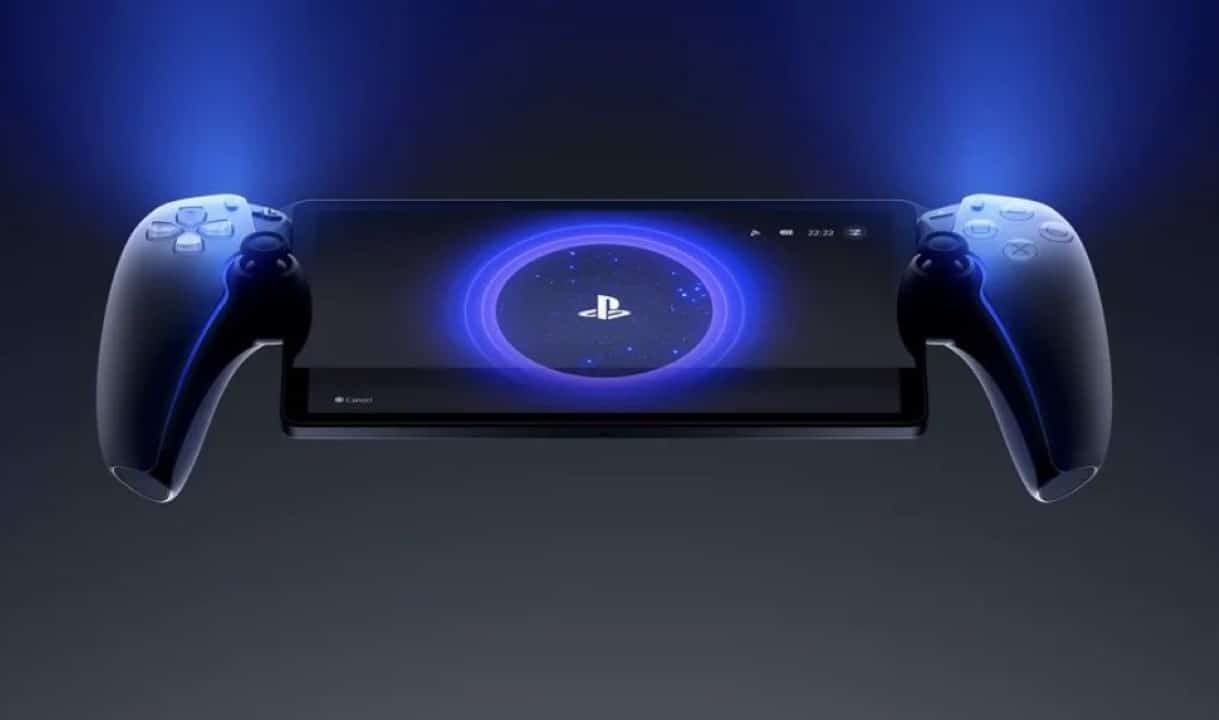
Japanese manufacturer Sony is considering drastically redesigning the design of its next generation of consoles, turning its attention to mobility. Behind-the-scenes information indicates that the long-awaited PlayStation 6 has a great chance of reaching stores as a hybrid device, breaking with the tabletop standard established since the 1990s. This movement represents a direct adaptation to the new habits of consumers, who increasingly seek to consume major titles on the go, a behavior that the company has recently begun to test with the launch of the PlayStation Portal accessory.
The Asian company’s objective is to deliver the same level of graphical excellence and robust processing that fans have already come to expect from the brand, but within a housing that can be carried in a backpack. This paradigm shift promises to merge the raw power of cutting-edge hardware with the absolute convenience of playing away from the television, creating an ecosystem where the user does not need to sacrifice visual quality to have freedom of movement.
Commercial motivations driving the Japanese giant’s new vision
This likely architectural transition of the PS6 does not happen by chance, functioning as a fundamental piece within a much more ambitious expansion plan. The corporation wants to break the bubble of users who buy desktop devices, attracting unprecedented segments of the public around the globe. To achieve this goal, executives plan to further strengthen ties with the world of computers and improve the infrastructure of remote servers.
In the past, the brand has experienced ups and downs in the pocket sector with the acclaimed PSP and the wronged PS Vita, accumulating baggage about what works and what doesn’t on the shelves. The main conclusion drawn from these previous generations is that a beautiful device only survives if it is powered by a robust subscription ecosystem and a strong catalog. Now, the intention is to surf the billion-dollar wave of mobile games, delivering the versatility that rivals have already proven to be highly profitable.
- Focus on continuous monetization: The priority becomes the development of projects that keep the player engaged for months, guaranteeing constant profits via battle passes and monthly fees.
- Computer invasion: Breaking absolute exclusivity, bringing established franchises to PCs with the aim of multiplying revenue and the fan base.
- Streaming improvement: Injection of capital into powerful servers to ensure that the user runs complex adventures over the internet, without depending on a super powerful local chip.
- Revolution in hardware design: Creating a flagship machine that natively embraces portability, eliminating the tethers of traditional cables.
Direct impact on the future of records and the collectors market
If the manufacturer confirms the launch of a system focused on mobility, the physical media segment should suffer an almost definitive blow. Global retail has already registered significant drops in the sale of Blu-ray discs, with the public preferring the practicality of virtual stores. Equipment designed to be carried in the hands or focused on remote processing would naturally do without a disc reader, accelerating the end of boxes on the shelves.
In practice, the player will be completely tied to the company’s servers, depending on fast connections and rotating catalogs such as the PlayStation Plus service. If, on the one hand, the absence of exchanging discs brings undeniable comfort to the routine, on the other, it reignites the legal debate about the true ownership of digital goods and the extinction of the used game trade. The business model is heading towards transforming the industry into a large virtual rental company, where temporary access is worth more than permanent possession.
Cross-platform integration and the power of remote servers
While the format of the next video game remains under wraps, the company’s entertainment division is working hard to spread its trademarks across other screens. The conversion of exclusive cinematic adventures to the computer environment proved to be a huge commercial success, attracting a legion of consumers who would never buy a dedicated console. This clever tactic guarantees a formidable cash injection and cements the company’s name in pop culture in general.
The supporting pillar of all this gear is the brand’s subscription platform, which today offers everything from retro classics to instant transmissions over the internet. The promise of starting a game on the living room television and continuing progress on your cell phone while traveling shows exactly where technology is heading. The ultimate goal is to build a barrier-free digital environment where software shines no matter where it’s running, setting the perfect stage for pocket-sized hardware.
Technical obstacles and the competitive landscape of the new generation
The engineering behind equipment capable of running ultra-realistic graphics in the palm of your hand comes up against severe physical limitations, especially with regard to cooling the parts and battery life. In addition to the high manufacturing cost that can make the final product more expensive, partner studios will need to optimize their codes to run well on smaller screens. The battlefield is also already occupied by giants: the Nintendo Switch reigns supreme with more than 140 million units sold, while the Steam Deck dominates the niche for PC enthusiasts.
Despite technological barriers, the profit potential justifies the risk taken by Asian executives. A device with the brand’s seal of focus on mobility has the power to hook an entire generation that grew up playing on smartphones and doesn’t have the patience to sit on the living room sofa. By embracing this convergence between traditional firepower and modern freedom, the company guarantees its survival and leadership in a market that severely punishes companies that refuse to evolve.





