
Definitive security breach affects A12 and A13 chips on iPhones XS and 11


Owners of Apple smartphones manufactured a few generations ago face a new and definitive cybersecurity alert. Research firm Paradigm Shift has discovered a critical vulnerability, dubbed “usbliter8”, that directly compromises A12 and A13 Bionic processors. In practice, this discovery affects all users who still use the iPhone XS and iPhone 11 lines around the world.
Dangerous similarities to past invasions
The technical report presented by the researchers demonstrates that the new invasion method shares alarming characteristics with the infamous “checkm8”. This previous exploit haunted the technology industry for years, affecting a wide range of devices, from the old iPhone 4S to the commemorative edition iPhone X. The emergence of yet another physical problem of this magnitude reignites the debate about how long older devices can maintain the integrity of personal data.
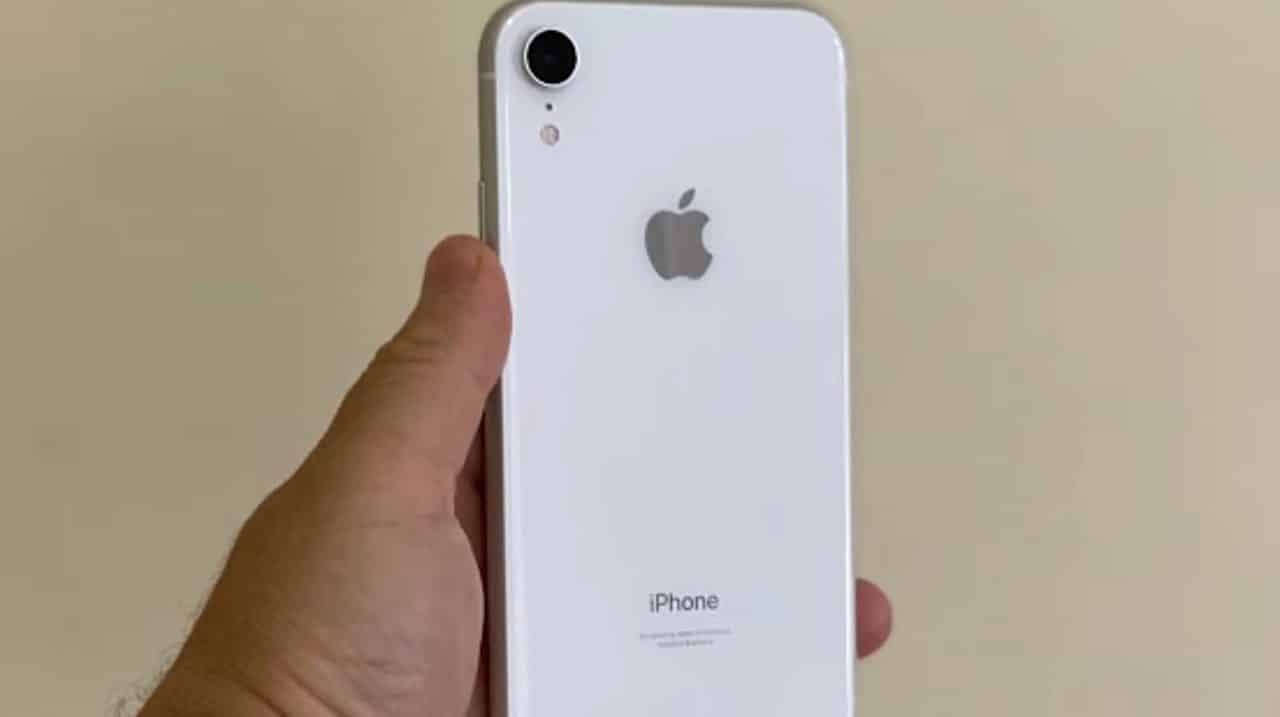
The attack mechanism focuses on a weakness present in the USB controller embedded in the A12 and A13 chips. Attackers are able to send tampered data packets through the device’s physical port, manipulating the component’s internal markers. This process, which generally requires the cell phone to be connected via cable to an external computer, allows you to record information in restricted sectors of memory and inject malicious code into the root of the operating system.
The reason preventing the creation of a saving update
The biggest nightmare for the Apple engineering team is the exact location of this security hole. The attack occurs directly in the BootROM, also known as SecureROM, which is the first code read by the device as soon as the power button is pressed. As this instruction is physically written into the silicon during assembly at the factory, no iOS update via the internet can rewrite or fix the defect.
Consequently, structural failure will accompany the devices until the end of their useful life, requiring extra care to prevent the cell phone from falling into the wrong hands. The list of smartphones that carry this permanent vulnerability includes the following models:
- iPhone XS (5.8 inch screen)
- iPhone XS Max (6.5 inch screen)
- iPhone 11 (6.1 inch screen)
- iPhone 11 Pro (5.8 inch screen)
- iPhone 11 Pro Max (6.5 inch screen)
More recent generations escape the structural problem
To the relief of those who have more modern versions, the architecture of the A14 Bionic processor and its successors already has native defenses against this tactic. In these newer chips, the system that manages the USB connection has been redesigned to reset the status markers after each boot cycle. This simple engineering change closes the gap that remains wide open in the A12 and A13 generations.
Paradigm Shift experts noted, however, that there is a small difference in resistance between the two affected processors. The A13 chip requires considerably more technical effort from cybercriminals, as it has Pointer Authentication Codes. This security tool can identify attempts to modify memory, forcing hackers to carry out additional maneuvers to carry out the invasion.
Direct consequences for user privacy
When the attack is successful, the smartphone’s fundamental protection barriers are instantly lowered. The digital environment now accepts the execution of unsigned applications, creating the perfect scenario for the silent installation of spying programs. Interestingly, the attackers leave a digital trail identical to that of the old checkm8, marking the system with the signature “PWND” after full compromise.
Following the ethical protocols of the cybersecurity industry, Paradigm Shift irresponsibly did not publish the details of the discovery. The company contacted Apple’s product safety department in advance, ensuring the manufacturer was aware of the situation. The two organizations maintained constant communication to structure the best way to alert the global community about the risks involved.





