
German organ leak confirms racing game for unannounced Nintendo Switch 2

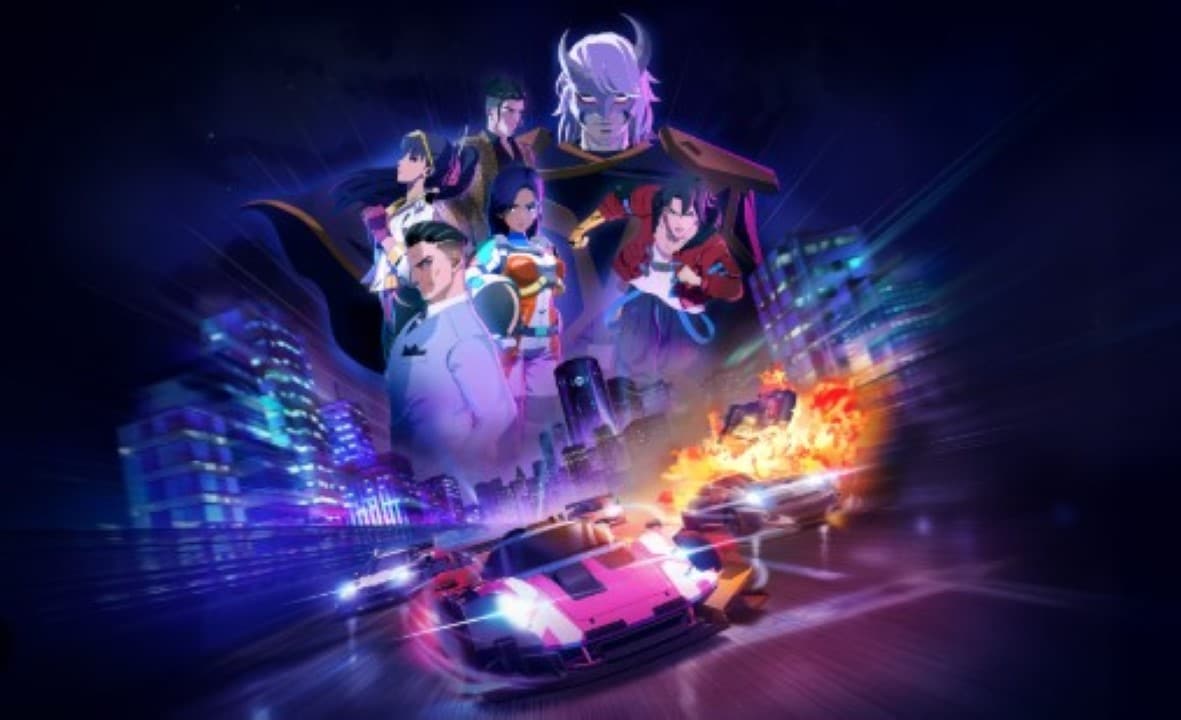
The discovery of a certification in Europe moved the gaming community by listing an edition of the title Screamer destined for the Nintendo Switch 2. The German body Unterhaltungssoftware Selbstkontrolle (USK) inserted the classification into its public system on July 31, 2026, contradicting the Japanese manufacturer’s absolute silence about its next hardware. Movements of this type in government agencies usually anticipate official announcements, indicating that partner studios already have access to new generation development kits.
Impact of age ratings on new hardware reveals
The appearance of the name of the successor to the current hybrid platform in the USK files serves as material proof that the project is moving towards its final phase. Institutions that regulate the age range of entertainment products receive the material when the main programming is practically completed. Historically, these government listings break industrial embargoes with high precision, providing the public with a true overview of the publishers’ calendar. For consumers of the Asian brand, the leak of this racing game consolidates the perception that the device will be revealed soon, ending a long cycle of rumors.

Investors and industry analysts monitor these digital footprints because they prove the engagement of third-party companies with the new architecture. Ensuring a diverse library on opening day is a severe commercial requirement, something Nintendo itself learned after the difficult transition from Wii U to the first Switch in 2017, when it needed strong external support to boost initial sales. The presence of the project on German servers signals that the Kyoto giant is assembling an arsenal of partners to avoid months of shortages on shelves shortly after the product arrives in stores.
Combat and speed mechanics in the futuristic universe of Screamer
Created by the team at Milestone, an Italy-based developer famous for automobile simulators, the project abandons realism in favor of an arcade aesthetic with strong influences from Japanese animation. The studio, which built its fame with the MotoGP, MXGP and Ride series, is now betting on an illegal tournament managed by a hidden antagonist. The work mixes high-speed disputes with the destruction of rival vehicles and already has operational versions for computers, PlayStation 5 and Xbox Series X|S, indicating that the adaptation for the Nintendo machine will seek technical parity with the current generation of table consoles.
The big difference between the games lies in the mechanic called ECHO, a tool that requires the constant collection of energy spread across the circuits. Pilots spend this power bar to activate tactical advantages, ranging from engine boosts to force barriers that nullify enemy attacks. The most aggressive maneuver in the package, called Overdrive, turns the car into an indestructible projectile for a few seconds, allowing it to obliterate competitors through head-on collisions. This resource management turns each lap into an exercise in survival, moving the work away from traditional racing patterns.
- Management of energy collected on the asphalt to define attack and defense strategies.
- Instant speed injection for overtaking on long straights.
- Generation of magnetic force fields to withstand crossfire.
- Weapon systems focused on the physical destruction of opponents on the track.
- Overdrive ability, which grants temporary invincibility and lethal force in collisions.
How the German government monitors the industry
The Unterhaltungssoftware Selbstkontrolle agency operates as Germany’s official arm for defining who can consume interactive media in the country. The evaluators’ work consists of playing and analyzing the source code to stipulate restrictive seals, guiding families on the level of maturity required by the work. As local legislation requires that this database be transparent and accessible to citizens, the agency’s website ends up unintentionally functioning as a news radar for the global press.
During the audit, inspectors examine the presence of blood, use of drugs, heavy dialogue and sensitive topics before issuing the final certificate. It is exactly because of this requirement for playable material that leaked records provide an almost absolute degree of certainty about the existence of a project. When a title goes through the screening of European censors, the basic programming phase has already been overcome, leaving only the polishing of technical flaws and the printing of physical media.
Catalog preparation and the studios’ race for the new generation
The ecosystem of rumors involving the next Japanese console goes beyond Milestone’s production, encompassing several other intellectual properties. Projects like Hot Wheels Infinite Rush have also appeared in recent distributor reports, showing that software companies are rushing to adapt their graphics engines to the new architecture. The accumulation of these listings in different parts of the world paints a picture of intense movement behind the scenes in the digital entertainment industry.
All this side activity confirms that the Mario maker distributed its creation tools well in advance to ensure an aggressive launch window. Placing hardware in stores without dozens of immediate purchase options results in weak sales, a strategic mistake that technology giants try to avoid at all costs. Leaking third-party properties helps keep the brand in the spotlight on discussion forums, creating an organic marketing campaign that paves the way for the reveal of the device’s final design.
The financial market and consumers are awaiting an official conference from the Asian company in the coming months, confirming the technical specifications of the machine. Until the responsible executive takes the stage, age ratings databases will continue to serve as the primary source of information about the future of electronic entertainment.





