
New Valve controller arrives in 2026 with serious connection failure outside the PC

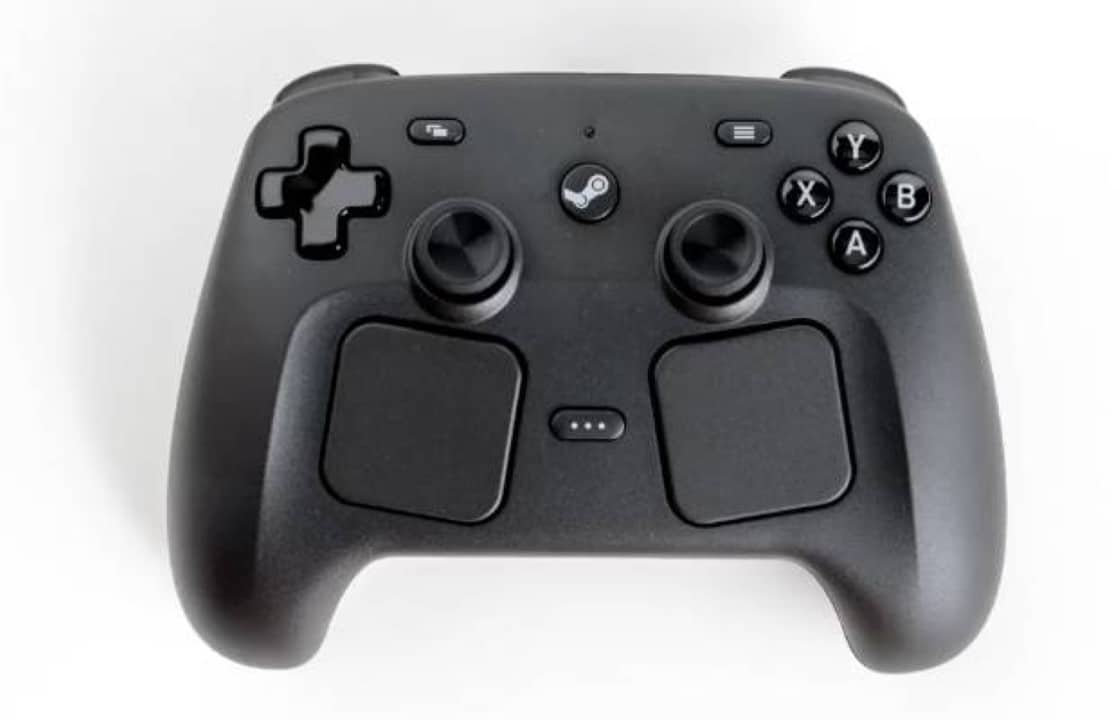
The trajectory of Valve’s peripherals began in a turbulent way almost a decade ago, when the first model arrived on the market costing US$49.99 to accompany the extinct Steam Machines. This pioneering equipment reached the mark of 1.6 million pieces sold until it was discontinued at the end of 2019, a time when the last units were liquidated for ridiculous amounts due to the burning of stock. Today, the landscape has changed drastically, and the roaring popularity of the company’s portable computer has paved the way for new acceptance of its proprietary accessories, proving that the original vision was just ahead of its time.
The long-awaited device designed for 2026 abandons the mistrust of the past and delivers a structure very similar to that of a portable console, just removing the central LCD display. Today’s consumers see the presence of two touch-sensitive surfaces no longer as an engineering eccentricity, but as a consolidated ergonomic standard. This change in perception occurred precisely because players have already extensively tested and approved this format during daily games in recent years, creating a loyal fan base for the layout.

Analyzing the past, it is clear that the manufacturer was right to bet on different control schemes for complex strategy titles, such as Civilization V, which flowed perfectly away from the traditional keyboard and mouse. Initial contact with the updated version generates an extremely positive response among testers, even with a heavy legal history behind the scenes. The company had to shell out four million dollars after losing a patent dispute over back button technology to Corsair, which didn’t stop the engineering team from continuing to refine the design and implement mechanical improvements.
The biggest obstacle in this new generation appears when the user tries to pair the accessory on devices that do not run the official virtual store application in the background. Equipment such as Xiaomi multimedia centers, Orange Pi development boards or Apple computers simply cannot interpret basic game commands. This limitation frustrates those looking for a universal joystick for the living room, transforming high-end hardware into useless equipment outside its native ecosystem.
Haptic technology and button remapping dictate the future of accessories
The insistence on surfaces with vibratory response continues to be the brand’s major competitive differentiator, marking the third time that the company has invested heavily in this specific hardware component. While the general industry spends resources developing Hall Effect anti-wear magnetic analog sticks or adding extra triggers, the Half-Life creator keeps the focus on absolute thumb precision. Almost ten years after the first attempt, no other gaming giant has managed to replicate the level of sensitivity and customization achieved by these directional panels.
The real asset of this endeavor, however, operates silently behind the scenes of the operating system through a universal configuration tool called Steam Input. Originally created to save the 2015 project and translate its complex commands, this mapping program ended up becoming the backbone of gaming on the modern PC. It is thanks to this invisible interface that PlayStation 5 and Nintendo Switch controls connect perfectly to Windows, making up for a lack of native support that the Japanese manufacturers themselves left aside.
Delivering such a robust calibration system completely free of charge ended up serving as an invaluable legacy for the global gaming community. The company doesn’t make money directly from the use of rival peripherals on its platform, but it has secured the loyalty of millions of users who depend on this software bridge to play their favorite titles. The complexity of translating movements from a trackpad to games designed for traditional analogue devices forced the creation of code so advanced that it survived far beyond the physical hardware that originated it.
Connection tests reveal communication flaws in rival operating systems
Rigorous technical evaluations show exactly what happens when Bluetooth pairing occurs in a macOS environment with Valve services completely turned off. Apple’s operating system reads the supplier’s factory identification codes, but completely misinterprets the hardware, recording the following usage profiles in the computer’s database:
- A standard mouse designed for simple desktop navigation.
- A generic low-precision pointing device.
- A virtual keyboard intended for text data entry.
- A restricted communication port defined by the manufacturer’s private protocols.
The absence of a digital signature that classifies the equipment as a traditional gamepad or joystick prevents any type of immediate gameplay in emulators or native games on the system. In practice, anyone who invests in the 2026 model to use it independently on other platforms will only have a very expensive wireless mouse in their hands, severely limiting the potential of one of the most innovative controls of the decade.





