
Discount on Xiaomi 15T with Leica camera intensifies dispute on AliExpress

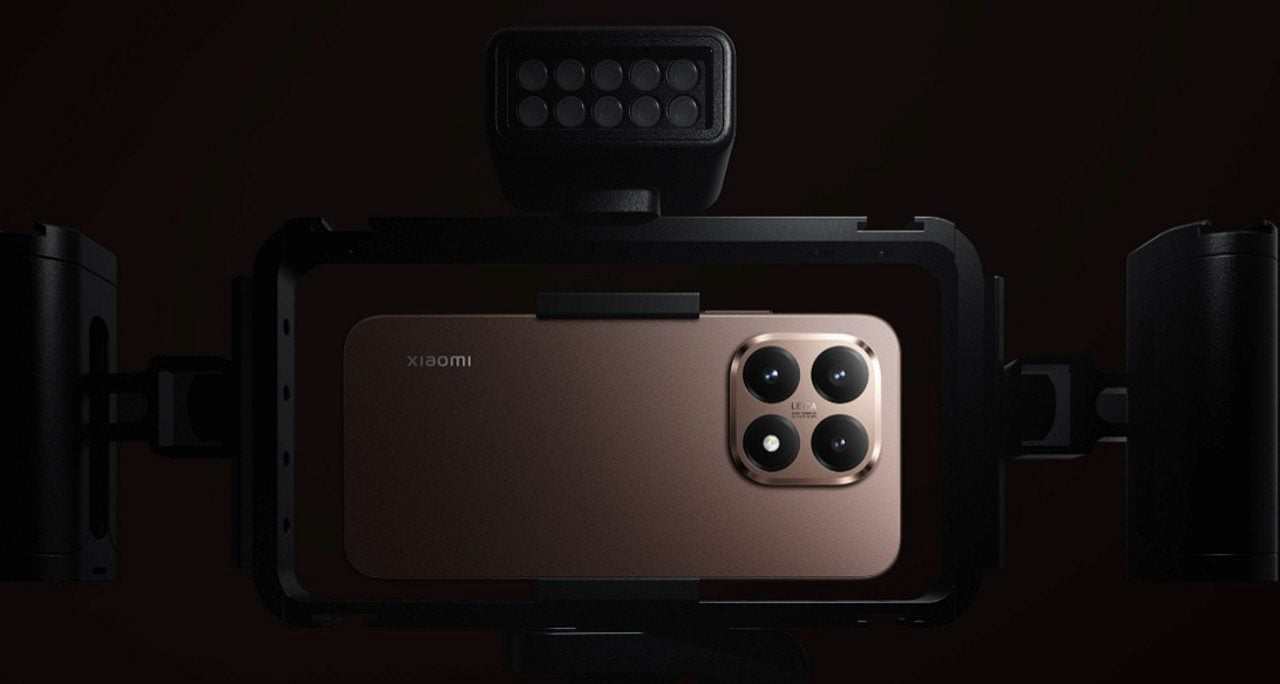
The pricing strategy of technology giants has pushed high-end smartphones to increasingly restrictive financial levels, demanding huge investments from consumers. Going against this trend of continuous increase in prices dictated by traditional brands, the Asian manufacturer adopts an aggressive stance to capture the public that seeks cutting-edge performance without compromising their personal budget. The recently launched Xiaomi 15T perfectly illustrates this commercial philosophy, delivering robust technical specifications that directly rival the most expensive models on the global market. Equipped with a 6.83-inch AMOLED display, a triple lens system endorsed by the prestigious Leica brand, MediaTek Dimensity 8400 Ultra chip and a 67 W power supply system, the device redefines the concept of cost-benefit today. Through the company’s official store on the AliExpress platform, applying the promotional code RAZONES45 lowers the final value of the product, positioning it in a much more affordable financial category when compared to direct competitors, such as the Google Pixel 9 and the Samsung Galaxy S25.
Impact of Leica photographic engineering combined with MediaTek processing
Analyzing the processing core, the Dimensity 8400 Ultra component does not seek to surpass the absolute numbers of very high-cost silicon in synthetic laboratory tests, a fundamental technical distinction to align user expectations. However, during everyday usability, this difference in raw power becomes practically imperceptible to the overwhelming majority of the public. For routine activities that involve high-resolution media consumption, fluid navigation between multiple applications and running games with moderate graphical demand, the processor delivers remarkable stability and no choking. The real competitive advantage of this hardware lies in its deep integration with the camera module signed by Leica, raising the level of image capture. Far from just a marketing ploy with a logo plastered on the back, the collaboration with the legendary German optics company results in superior visual processing, accurate color calibration profiles and a dedicated mode for urban photography. This same photographic technology had already demonstrated its value in much higher cost devices, significantly changing the dynamics of competition in the current price range.
The visual experience provided by the 6.83-inch AMOLED panel constitutes another fundamental pillar in the construction and commercial appeal of this mobile device. When used outdoors in direct sunlight, the brightness calibration and infinite contrast of this screen technology easily outperform most LCD displays found in devices in similar categories. In addition to the superior image quality, the design engineering deserves special attention due to the reduced thickness of the chassis, which measures exactly 7.5 millimeters in profile. This physical feature demonstrates a notable compaction effort on the part of designers, especially in an industrial setting where competing phones are becoming increasingly thick, often exceeding the 8 to 9 millimeter mark to accommodate larger batteries and excessively protruding camera modules.
Energy efficiency and the disparity in recharge speeds between brands
Energy management and charge replenishment speed represent decisive factors in the routine of modern consumers, and it is exactly at this critical point that the Chinese model establishes a considerable advantage. Native support for 67 W fast charging distances the device from its main rivals in the same financial segment, offering a rare convenience in the category. For direct comparison purposes, the base Galaxy S25 model remains limited to a transfer rate of 25W, while devices in the Pixel line also maintain an extremely conservative approach to battery feed speed. In everyday practice, the ability to inject 67 W allows the user to plug the phone into a socket with the battery almost exhausted and reach a safe operating level for the rest of the day in less than thirty minutes, transforming the dynamics of use before leaving home.
In the memory department, the offering of 12 GB of RAM combined with an initial internal storage of 256 GB sets a generous standard that guarantees the longevity of the operating system in the face of future updates. Consumers who plan to replace smartphones launched two or three seasons ago, such as mid-range models from the 2022 harvest, will notice an immediate and significant performance jump in the system’s fluidity. On the other hand, the update may not be justifiable for individuals who already have recent, very high-performance equipment. Owners of immediately previous generations focused on performance already enjoy even more aggressive charging systems, while users of the Google ecosystem have an unmatched guarantee of seven years of security updates, factors that weigh against the need for an immediate exchange.
Available configurations and the need to opt for the international edition
To meet different usage profiles and aesthetic preferences, the manufacturer made the equipment available in different configurations on the international market, allowing greater flexibility when purchasing. Choosing the appropriate variant directly depends on the volume of files, heavy applications and high-resolution media that the user intends to keep saved locally, without depending on cloud service subscriptions. Officially marketed options include the following hardware specifications:
- Gray version equipped with 12 GB of RAM and 256 GB of internal storage space.
- Gray variant that maintains 12 GB of RAM, but doubles the internal capacity to 512 GB.
- Black edition, also configured with 12 GB of RAM and a maximum storage of 512 GB.
A crucial detail during the import process is the selection of the global version of the device, a technical feature that directly affects the usability of the phone outside of Asia. This specific edition guarantees full compatibility with telecommunications network frequencies used on different continents, ensuring that the mobile internet signal and voice calls work without interruptions or shadow areas. In addition to the fundamental issue of connectivity hardware, purchasing the international model eliminates the need to deal with modified operating systems, providing a clean, secure software experience with official support for multiple languages from the first moment of use.
Assessment of the device’s real impact against industry giants
The current mobile phone market is saturated with options that boast high-quality screens, promises of long-lasting batteries and premium performance labels, making analysis purely based on technical data sheets an insufficient exercise for decision-making. The true potential of this launch is clearly revealed when the consumer goes beyond reading the numerical specifications and analyzes the practical results, especially in the demanding field of computational photography. It is in this real-use scenario that considerably more expensive devices encounter serious difficulties in justifying the huge price difference charged in the windows of traditional stores. By combining acquisition through official distribution channels, the guarantee of global operation without network restrictions and a set of professional-grade cameras, the product’s sales argument becomes extremely solid and difficult to contest for those looking to maximize the return on investment in mobile technology.





