
Jump in the price of the future iPhone 18 Pro could redefine the market in 2026

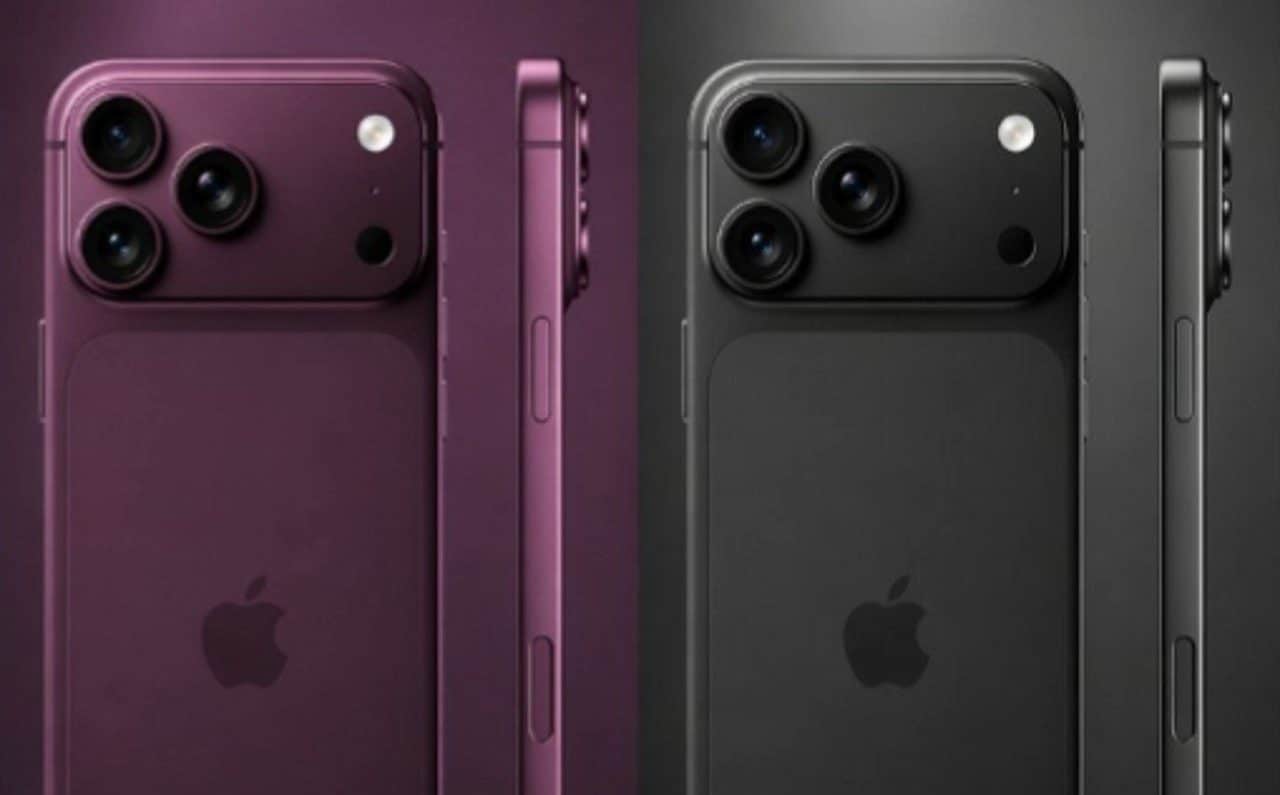
The international mobile device scene has been caught off guard by recent leaks indicating an unprecedented financial leap forward for Apple’s next elite smartphones. Preliminary data indicates that the long-awaited iPhone 18 Pro, scheduled to hit retail in September 2026, could debut costing a significant US$1,399 in its most basic configuration. This adjustment adds US$300 to the bill in relation to the models currently sold, consolidating a 27% increase that has segment experts on alert. Even though the Californian manufacturer is recognized for positioning its portfolio at a high financial level, a change of this magnitude raises questions about buyers’ willingness to absorb this cost.
Aggressive pricing strategy tests consumer limits
Market analysts estimate that this climb towards US$1,399 represents a high-risk commercial maneuver for the technology giant. Since the launch of the iPhone To understand the severity of this measure, it is worth observing what recently happened with the entry-level MacBook Pro, which was increased from US$1,699 to US$1,999, representing an increase of 18%. This percentage difference suggests that the company plans to launch an ultra-luxury segment, transferring massive spending on research into cutting-edge processors and complex photographic lenses directly into the customer’s pocket.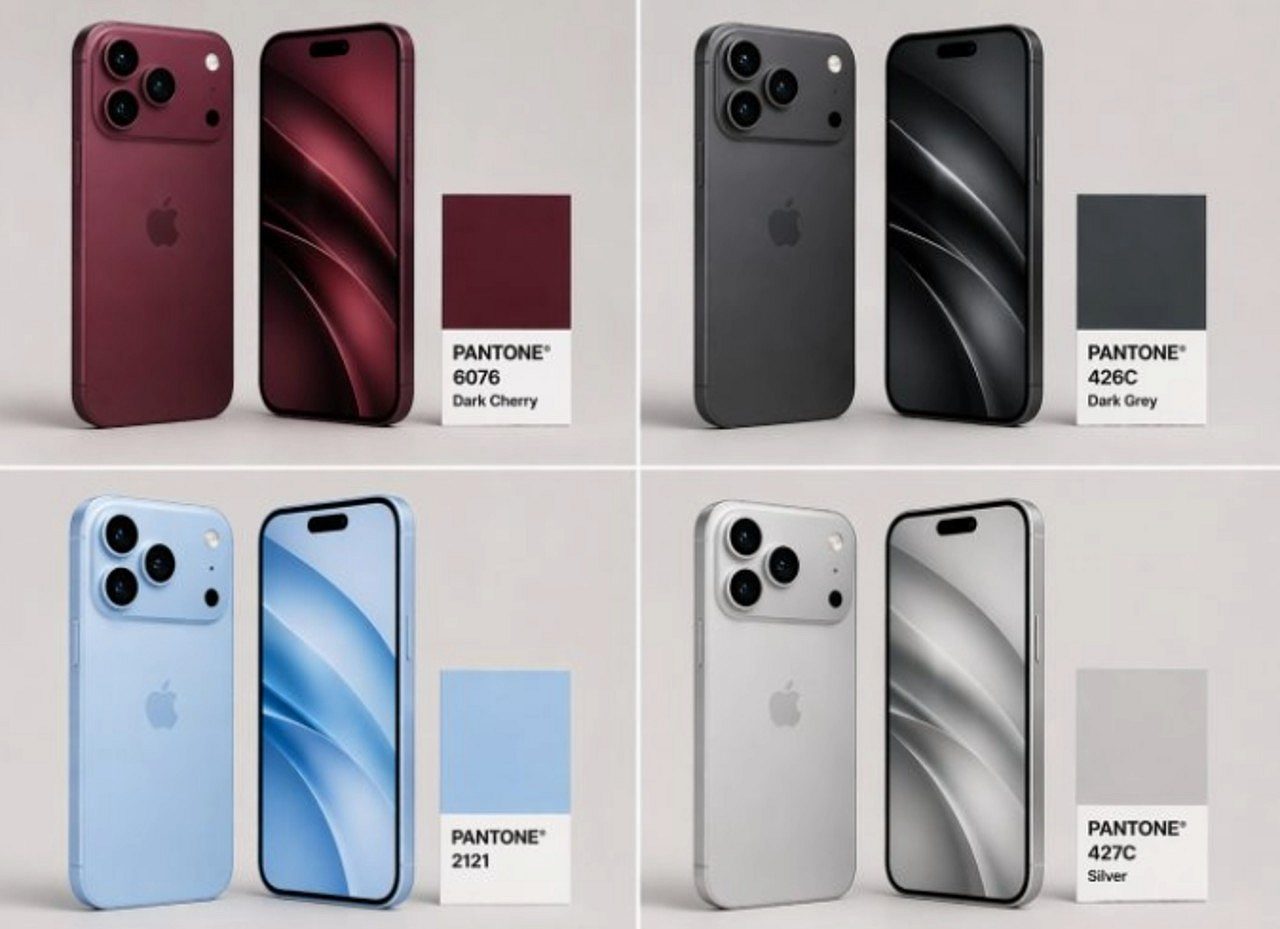
Inflation in portable computers anticipates brand trend
The practice of inflating the product catalog is already part of the Cupertino-based corporation’s routine, which usually attributes these changes to the high cost of essential parts, including semiconductors and flash storage. When analyzing commercial movements in recent months, a continuous upward trend in the company’s IT equipment is evident:
- The entry-level edition of the MacBook Air registered a jump of US$200, going from US$1,099 to US$1,299.
- The MacBook Neo variant, known for its popular appeal when debuting for US$599, has been adjusted and now costs US$699.
- Machines aimed at the corporate public, such as the basic MacBook Pro, cost US$300, reaching the US$1,999 mark.
Such changes in various product lines demonstrate a profound change in the institution’s financial engineering. The manufacturer signals that it is prepared to lose a portion of its casual buyers, as long as it manages to keep its profitability margins intact in the face of a global macroeconomic scenario full of uncertainties.
How company leadership justifies the pursuit of higher margins
In past meetings with investors, executive director Tim Cook explained the logic behind formulating the prices charged in stores. The head of the company pointed out that the definition of values goes beyond manufacturing expenses, requiring a detailed calculation that crosses the number of devices shipped, the total revenue and the net profit obtained. According to the executive, this triad guarantees the sustainability of the business in the long term, shielding the brand against occasional drops in sales. However, imposing a 27% increase on the brand’s flagship would inevitably reduce sales volume, requiring management to calibrate the strategy with extreme caution so as not to scare away the most loyal fans.
Smartphone update cycle should suffer a strong slowdown
A monetary obstacle of this proportion has enough force to transform the way people consume electronics, mainly affecting those who purchase the product in cash. Charging practically one thousand and four hundred dollars for a device will cause the replacement interval, previously done every one or two years, to be substantially extended. Furthermore, rumors suggest that the real hardware revolutions are reserved for later editions, which will serve as the perfect argument for consumers to keep their current phone in their pocket instead of spending a fortune for discreet improvements.
To try to soften the impact on the pocket, the technology giant offers a subscription program in selected markets, allowing the individual to rent the device and receive an updated version annually. This type of recurring billing hides the true weight of the increase and ensures that the customer remains loyal to Apple’s services. However, for the large mass of consumers around the world who do not have access to these structured plans, the amount charged on the storefront will continue to operate as a wall that is almost impossible to climb when changing cell phones.
Ripple effect can make devices from rival brands more expensive
Tacking the $1,399 sticker on the upcoming iPhone 18 Pro will send immediate tremors across the entire telecommunications ecosystem. As Apple dictates the rules of the game in the high-end market, this decision will act as a green light for direct competitors, such as Samsung and Google, to rethink their own tables. These corporations that use the Android system will have the opportunity to inflate their most advanced models or, strategically, freeze prices to capture customers frustrated with Tim Cook’s company. Regardless of the path chosen, this scenario decrees the consolidation of an ultra-premium niche, where cutting-edge technologies in photography and processing will be the privilege of an increasingly restricted elite, raising doubts about the viability of this commercial format in the next decade.





