
Google’s new bet, Fitbit Air watch focuses on AI and arrives in Brazil for R$520

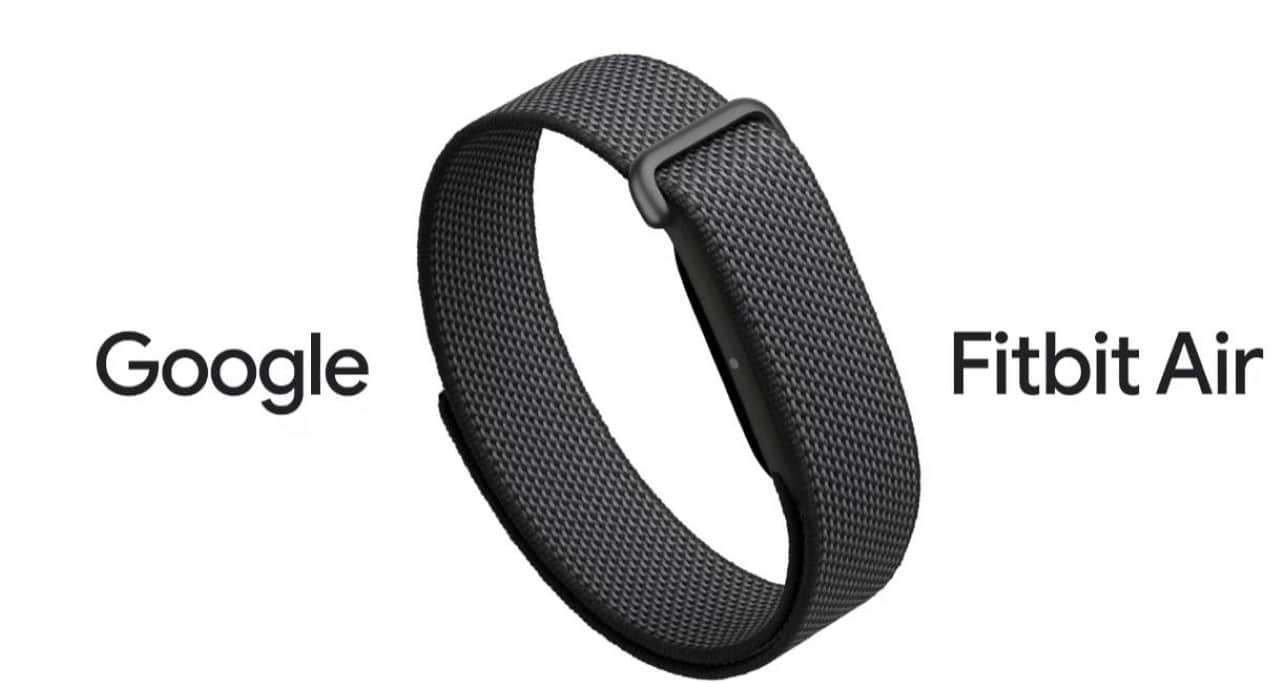
Alphabet, Google’s parent company, announced the global launch of the Fitbit Air smartwatch, priced at US$100. The device focuses on the integration of artificial intelligence for advanced monitoring of physical health and well-being. With this new development, the search giant is on a direct collision course with Whoop, a company established in the niche of elite athletes. The Californian company’s tactic consists of merging conventional physical activity tracking with predictive algorithms capable of anticipating the demands of the user’s body.
Refined design and hardware specs of newly announced wearable
The aesthetics of the gadget focus on minimalism, offering a 1.3-inch AMOLED screen protected by an anodized aluminum chassis. In terms of autonomy, the battery promises up to seven days of continuous use in the economic profile, reducing to around 96 hours if uninterrupted tracking via AI is activated. Weighing a mere 29 grams, the device is also water-resistant certified, supporting immersions of up to 50 meters, ideal for swimmers.
Inside the watch hides a robust suite of sensors, including multi-band heart rate monitoring, oximeter, accelerometer and gyroscope. For data communication, the wearable is equipped with Wi-Fi 6E, Bluetooth 5.3 and NFC chip, allowing consumers to make contactless payments without taking their cell phone out of their pocket. Additionally, the 8GB internal memory ensures enough space to store metrics offline and run native applications.
Understand the mechanics of virtual assistant driven by machine learning
The main differentiator of the launch is the Fitbit AI Coach, an intelligent ecosystem designed to analyze sleep patterns, heart rate variability and levels of daily sedentary lifestyle. The artificial intelligence engine processes these metrics to provide personalized recommendations in real time, suggesting everything from the ideal time for rest to the appropriate intensity for weight training, optimizing your exercise routine.
- Projection of body energy level up to 72 hours in advance.
- Immediate notifications in case of detection of arrhythmias or cardiac anomalies.
- Hydration and nutrition tips based on continuous reading of vital signs.
- Native sync with the Alphabet ecosystem, including Google Fit and YouTube Fitness.
- Integration with Google Calendar to map free times and suggest training windows.
The development of this software architecture required training algorithms with an anonymized database of two million historical users of the platform. This massive volume of information ensures that the assistant’s predictions are accurate for individuals of different age groups, genders and body compositions.
Commercial strategy to take on technology giants and premium brands
In the very high-performance segment, main competitor Whoop works with a subscription model of US$30 per month or a one-off fee of US$500, directing its efforts to prevent overtraining in professional athletes. Google’s move seeks to democratize this level of analysis, offering similar recovery metrics for a drastically lower initial cost, targeting the amateur public looking for quality of life.
When compared to global sales leaders, such as the Apple Watch Series 9 (from US$399) and the Samsung Galaxy Watch 7 (US$299), the new gadget is positioned in a lower price range, as rivals act as true wrist smartphones. The manufacturer’s goal is to bridge the gap between low-cost basic fitness bands and complex, clinical-grade health monitors.
The current panorama of the wearables market is divided into the following value propositions:
- Fitbit Air: focuses on fatigue prediction via AI, affordable price and long battery life.
- Whoop: aimed at elite sports, fosters exclusive communities and requires a monthly fee.
- Apple Watch: impeccable integration with the iPhone, call support and vast app library.
- Samsung Galaxy: stands out for its generous display, Wear OS software and intermediate cost-benefit.
Arrival in Brazilian commerce and aggressive pricing policy
The official schedule foresees the start of global sales for June 1st in 45 countries, placing Brazil in the first wave of distribution. The suggested price of R$520 for the national market draws attention because it ignores the traditional tax burden that usually doubles the value of imported electronics. This aggressive pricing is a direct response to the dominance of Asian brands such as Xiaomi and Amazfit, which have historically led the entry-level segment in the country. Pre-orders have been available on the official website since May 26th.
The color catalog includes the options Sage Green (green), Cloud White (white) and Midnight Black (black). Users interested in customization will be able to purchase individual bracelets for US$25 each. As an additional incentive, the manufacturer offers first-time buyers a 40% discount on the annual Fitbit Premium subscription, reducing the cost of the service to US$60 for the first twelve months.
The financial maneuver highlights the company’s long-term plan to lead the preventive digital health segment, an area strengthened by agreements with centers of excellence such as the Mayo Clinic. This is the third device created entirely under the management of Google, which spent around US$2.1 billion in the acquisition of the original brand completed in early 2021.
Health certifications and data privacy protocols
The hardware passed rigorous regulatory evaluations, obtaining CE marking in Europe and classification as a class II medical device by the FDA in the United States. This seal attests to the accuracy of cardiac reports generated for clinical purposes. Furthermore, the electrical integrity of the system was validated by independent laboratories, meeting the requirements of the international standard IEC 60601-2-47.
In terms of digital security, the collected metrics communicate with Google Play Services, but the detailed activity log remains encrypted locally on the watch, requiring explicit consent for cloud synchronization. For those who support Google Cloud backup, the company applies end-to-end encryption and establishes in its terms of service an absolute prohibition on the sale of biological data to third parties.
Preliminary media assessments and revenue expectations
Specialized vehicles that had early access to the product highlighted the energy autonomy and reliability of the optical heart rate sensor. On the other hand, criticism focused on the compact dimensions of the screen and the virtual assistant’s calibration time. According to testers, the algorithm requires around 21 days of continuous use to map the user’s metabolism and start delivering truly personalized advice.
Market analysts project that global sales volume could reach the three million units mark in the first year of circulation. The optimism of the financial sector is based on the popularization of wearable devices and the consolidation of telemedicine platforms, especially in emerging and highly populated markets in Latin America and the Asian continent.





