
Future of gaming: Take-Two CEO bets on massive streaming by 2029 and raises debate about GTA 6

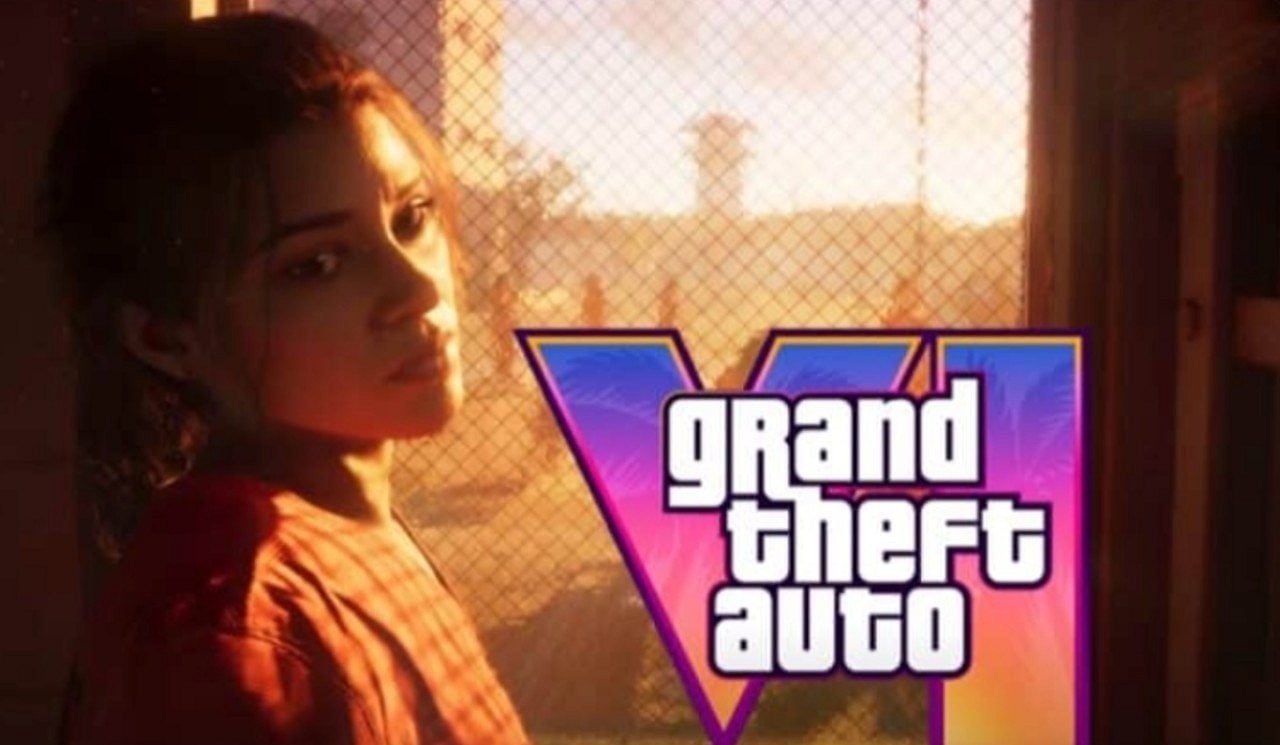
Strauss Zelnick, CEO of Take-Two, the company responsible for franchises such as Grand Theft Auto, made a bold projection on August 7, 2026 about the future of the gaming industry. According to the executive, the sector will enter an efficient “commercial streaming mode” in approximately three years, that is, around 2029. This forecast, announced during Take-Two’s quarterly results conference call, points to a revolution in the way games are consumed and raises important discussions about the launch of major titles, such as the long-awaited GTA 6.
A new era for access to electronic games

Zelnick detailed his view that streaming, with low latency and effective performance for users, is “rounding the corner.” He explained that this evolution will allow devices that are not traditionally gaming platforms to become consoles, significantly expanding the player base. Take-Two’s bet is that, regardless of the future of traditional consoles, such as the upcoming Xbox Helix and PS6, the total number of people with access to games will grow materially.
What “commercial streaming” can bring to consumers
The expectation is that the upcoming commercial streaming model will be a “plug and play” system, where players can access and enjoy titles with minimal barriers and complications. This means that people who don’t currently have consoles or high-performance PCs could play complex titles with ease. According to Zelnick, this approach can “multiply tenfold” the effective user base, opening doors to new markets and audiences.
While the CEO doesn’t expect a tenfold increase in revenue directly, the company foresees a huge opportunity for games with broad appeal, even outside the more traditional hardcore gamer markets. The focus is on making the game accessible to a much wider demographic, which includes casual players and new consumers in regions with less purchasing power for dedicated hardware.
Learning from the past: challenges and innovations in streaming
Despite Zelnick’s optimism, the history of game streaming has examples of platforms that did not achieve the expected success, such as Google Stadia, which ceased operations after years of investment. Key obstacles included the need for robust internet infrastructure, low latency for a playable experience, and public acceptance of moving from physical media or downloads to the cloud. However, the current scenario is different.
Technological advances in 5G and fiber optic connectivity, in addition to the experience of companies like Microsoft, with its xCloud, and Nvidia, with GeForce Now, may indicate that the technology has finally matured to meet Zelnick’s expectations. The crucial difference now may be the ability to deliver a truly “low latency” experience that overcomes previous frustrations and allows for fluid gameplay indistinguishable from a local console.
Implications for GTA 6 and the gaming industry
The CEO’s statement naturally raises questions about the development and release of Grand Theft Auto 6, one of the most anticipated games of the decade. The title does not yet have a release date for PC, but the high demand for pre-orders already demonstrates the enormous public interest. The question that arises is whether Take-Two plans to make GTA 6 available on streaming platforms before a computer version or whether the next generation of consoles, such as the potential Xbox Helix and PS6, will prioritize streaming over physical media.
The launch of a game of the caliber of GTA 6 on a streaming platform could be a watershed, validating the model for a massive audience. Take-Two is known for its ability to maximize profits by exploiting distribution possibilities to the fullest.
Financial projections and Take-Two’s vision for technology
Take-Two recently revised its revenue projection for fiscal 2027 to $8.2 billion, which underlines the company’s confidence in its ability to navigate and profit in the gaming market. Strauss Zelnick, known for his in-depth knowledge of the industry, also maintains skepticism towards generative artificial intelligence. This position was adopted even before the negative impacts of the tool began to be widely observed in the game development industry. His acumen in recognizing technological trends and challenges strengthens the credibility of his predictions about the future of streaming and the evolution of the sector.
Main features expected from commercial game streaming
- Low Latency:Essential for a fluid and responsive gaming experience, minimizing delays between the player’s command and the on-screen action.
- Expanded Accessibility:Ability to run complex games on non-dedicated devices, such as smart TVs and smartphones, without the need for powerful hardware.
- “Plug and play” model:Ease of use with minimal configuration and installation, allowing users to start playing quickly.
- Multiplication of the user base:Potential to reach an audience ten times larger than the current one, including casual players and new markets.
What’s still unknown about the future of streaming
Despite Zelnick’s optimism, there are still uncertainties about how the market and infrastructure will adapt to this change. Issues such as subscription models, the quality of experience in different geographic regions and the acceptance of the absence of physical media by a portion of consumers remain open. The way in which big-budget titles, like GTA 6, will be integrated into this new reality is still a point to be defined.





