

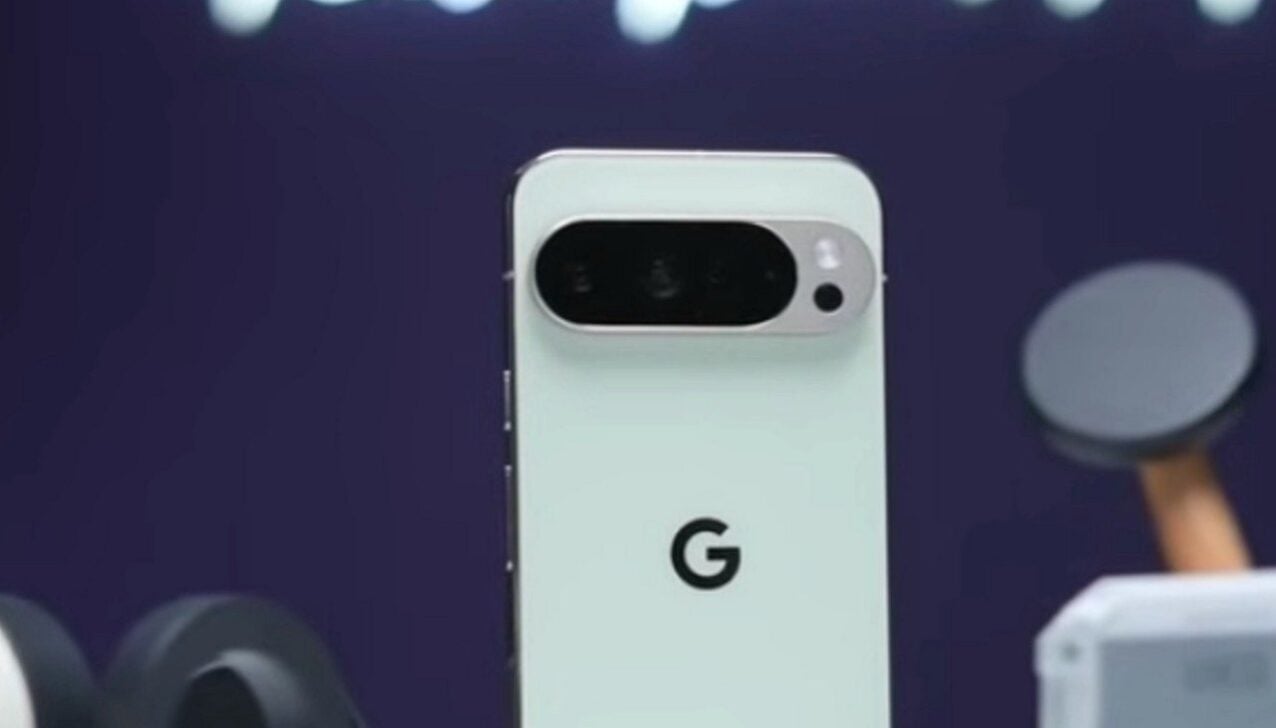
Google is preparing to launch the Pixel 11 and Pixel 11 Pro family of smartphones this week, starting August 9, 2026. The new devices promise to indicate the direction that the technology giant intends to take the cell phone ecosystem, through its advanced artificial intelligence (AI) features, premium hardware options and updates to the Android operating system. Previous models in the Pixel line had already impacted the mobile device scene. Now, the expectation is to understand how the Pixel 11 will shape trends for the next twelve months and beyond.
Changes to Pixel 11 pricing strategy mark the end of the basic version at $799
Google should abandon the starting price of US$799 for the Pixel 11 line, eliminating configurations with 128 GB of storage to prioritize a base version with 256 GB.
Market analysts are already indicating possible values for the new models. According to information released, prices should start at US$899 (or €999) for the Pixel 11 and reach up to US$1,899 (or €1,999) for the Pixel 11 Pro Fold. Although the starting price is US$100 higher than that of the Pixel 10, launched the previous year with 128 GB of storage, the new Pixel 11 family will have 256 GB as initial storage in all its models.
The company confirms a trend observed throughout 2026: the discontinuation of more basic models by cell phone manufacturers. While these devices offered the least storage, they also had a slim profit margin. Raising the price and specification level allows devices to be marketed as entry-level models, while an upgrade option provides a clear justification for the increased cost while maintaining profit margin.
More on this story: Changes at Apple divide the launch of the iPhone 18 and bring an unprecedented chip
By following the approach of other industry pioneers, Google validates this strategy as the path forward for the entire industry. This change will be well received by Android manufacturers and may even be adopted by Apple when the new and more expensive iPhone 18 Pro models arrive in September.
16GB memory required for local LLMs on Pixel 11 Pro hardware
Android 17 establishes 16GB of system memory as the minimum hardware requirement for premium Pixel 11 models, enabling you to run local Gemini LLM workloads without the latency typical of cloud services.
Leaked specifications of the Pixel 11 family reveal that 16 GB will be the base memory across the entire product line. This additional memory will be essential for the wider use of LLMs (Large Language Models) that operate locally, offering more artificial intelligence resources directly on the device, instead of sending data to cloud services — an alternative that generates higher costs and involves the transfer of personal information, even if anonymized.
In 2024, Google introduced the Pixel 8 Pro as the first smartphone with artificial intelligence. Since then, Google’s vision for how AI should be implemented on a smartphone has become mainstream. Apple, which could have influenced this perspective, tried to redefine the scenario with the iPhone 18 Pro, but, after years of developing an independent solution, in 2026 it entered into a collaboration with Google to use its AI services on iOS smartphones.
Learn more: Apple trains its own AI model for the China market in partnership with Alibaba
The Gemini updates in Android 17, which will come installed by default on all models in the Pixel 11 family, along with Apple’s adoption of Gemini for core AI services, have solidified Google’s approach to artificial intelligence (and its ways of monetizing) as the standard for using AI on smartphones.
System Lockdown: How Pixel 11 Pro’s Android 17 Redefines Third-Party Distribution
Android 17 now requires mandatory developer identity verification and government-issued identification for third-party app creators, positioning the Google Play Store as the primary point of control across the entire ecosystem.
Android 17 also introduces a big change for third-party apps. Google is implementing identity verification for developers, saying the move is part of its “ongoing efforts to keep Google Play a safe and trusted platform.” Individual developers will need to register with Google, pay a small fee, and provide a government-issued ID before making their apps available. For organizations, the requirements are even more stringent.
The open publishing model, which allowed anyone to develop and distribute an app to a small group of friends or colleagues to solve a specific problem, is now hampered by the requirement for formal identity verification. The Google Play Store is becoming the main intermediary for all Android apps, and developers are required to verify themselves even if they have no intention of using the Play Store architecture.
On the same topic: Google launches Gemini 3.7 Flash with coding improvements and promotional price for developers
Installing apps from outside the official Android platform has not been completely eliminated, but the ease of installing apps from unknown sources is decreasing. The average consumer likely won’t notice this change right away, but it signals a change in the relationship between the users who own the phone and the restrictions the manufacturer places on its functionality.
The Pixel line has long stopped being just a concept or a prototype; it has become a consumer-facing smartphone brand in its own right. Even so, Google continues to use it as a reference for the Android system, confirming crucial market decisions and introducing new concepts and features. All of this is aligned with Google’s business strategy for the digital universe. The Pixel 11 and Pixel 11 Pro models promise to consolidate new pricing structures, improve AI implementation, and establish a more secure but restricted ecosystem for third-party apps.