

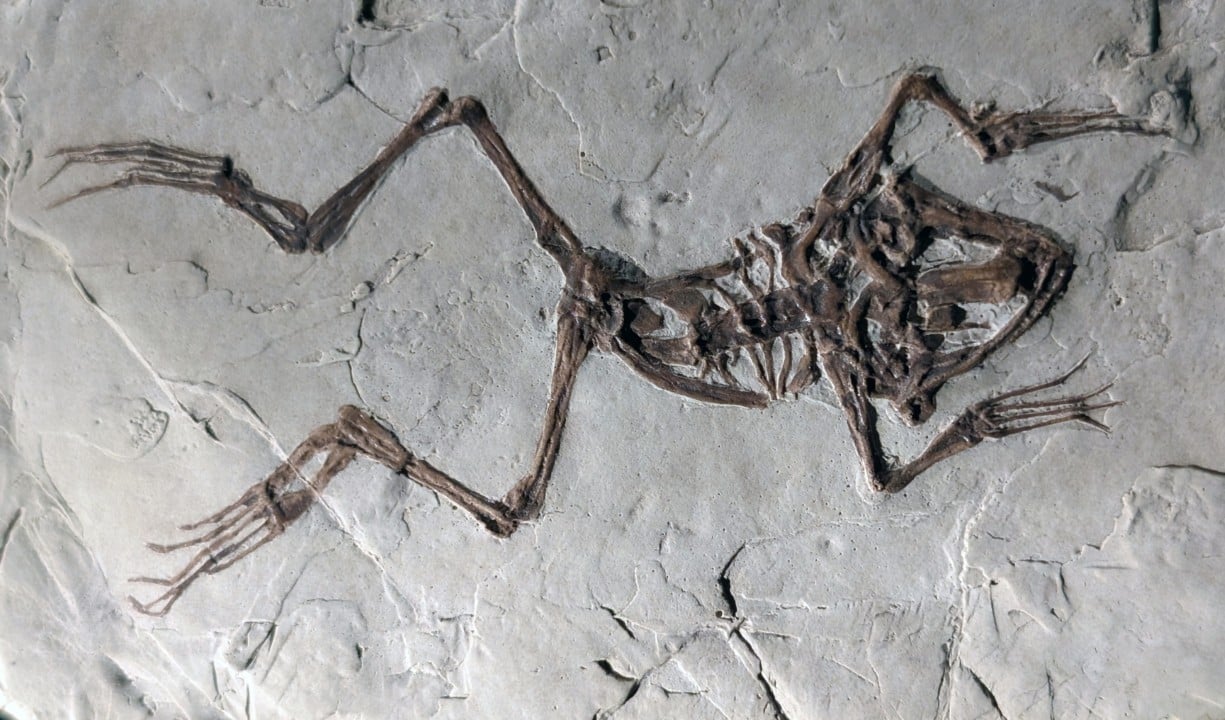
A new species of amphibian, dating back approximately 280 million years, was officially registered on March 25, 2026 at the Federal University of Piauí (UFPI). The animal inhabited the planet during the Permian Period of the Paleozoic Era.
Named Tanyka Amnicola, the identification of the species resulted from research that lasted more than ten years. The first fossils were located in 2012 and the most recent finds in 2023, always subject to a rigorous cleaning and analysis process.
On the same topic: Discovery in Thailand reveals new species of dinosaur with a long neck and 20 meters
The scientific work was published on March 17 in the international journal Proceedings of the Royal Society B. It reveals previously unknown aspects about this group of animals.

Juan Carlos Cisneros, professor and research coordinator, revealed that “this new species presents very unusual characteristics, especially in the shape of the jaw and the arrangement of the teeth.” The expert added that this is the first time that evidence has been found of a fossil amphibian that fed on plants, a relevant fact considering that almost all amphibians, both extinct and existing, are carnivorous.
More on this story: Discovery reveals ancient bees that used mammal bones as nests 20,000 years ago
The research team located nine jaws of the species. The finds occurred in the municipalities of Nazária, in Piauí, and in Timon and Pastos Bons, in Maranhão, all regions recognized for their important paleontological sites.
The study included significant international collaboration, with the participation of scientists from institutions in the United States, Argentina, Germany, South Africa and the United Kingdom, which reinforces the global reach of this paleontological discovery.