

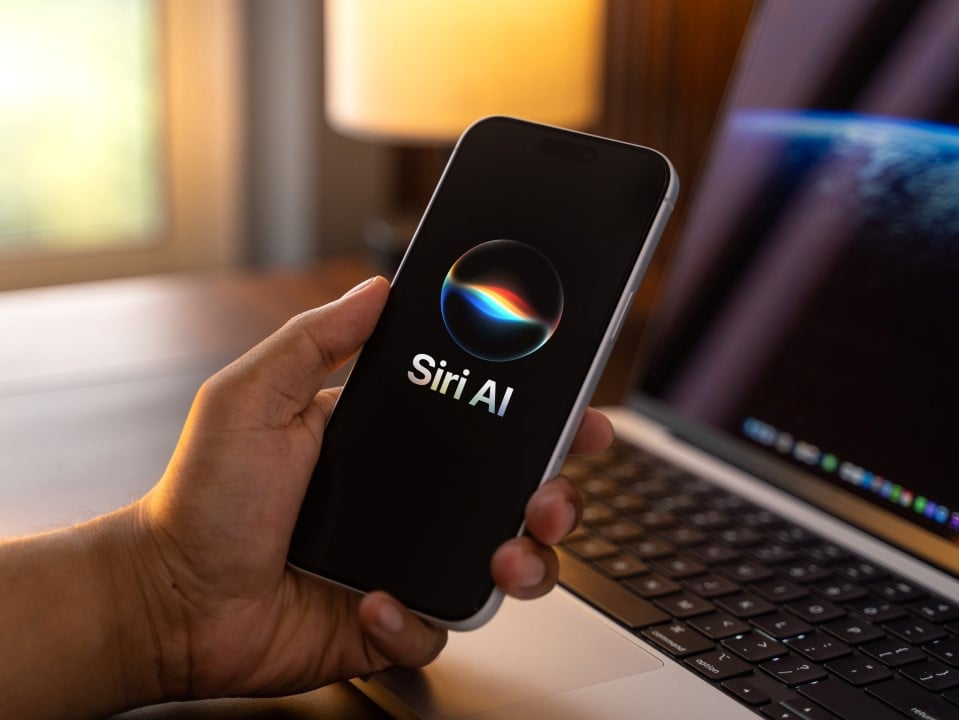
Apple’s voice interface undergoes a profound overhaul in the mobile operating system update, taking on the characteristics of an advanced language model. The software can now interpret what appears on the cell phone’s display, retrieve contexts from past conversations and interact directly with the internal functions of other programs. This modernization also brings the ability to search for updated data on the internet and concentrates interactions on a dedicated platform, facilitating continuous dialogues.
With this change in level, the native iPhone tool enters into direct competition against the OpenAI system. To understand whether the Apple ecosystem can replace the need for third-party applications, a seven-day experiment was conducted using only the new smart interface for all daily demands.
Hardware requirements and amounts charged by companies
Access to Apple technology requires recent equipment that supports the Apple Intelligence architecture, limiting the user base to owners of the iPhone 15 Pro and newer editions running iOS 27. The feature also extends to the brand’s tablets and computers equipped with A17 Pro processors, M1 line or higher chips, making it necessary to join a virtual queue to release the initial download.
The OpenAI app has a significantly lower barrier to entry, operating seamlessly on devices running iOS 17, iPadOS 17 and Mac computers starting with macOS 14. This expanded compatibility ensures that older phones, unable to run Apple’s new intelligence, continue to have access to a top-notch virtual assistant.
More on this story: Teenager kills mother and brother after using AI to create fantasies about the crime
Both platforms deliver very complete free packages, leaving cutting-edge features for premium subscriptions. The iPhone manufacturer links complex processing on external servers to the iCloud+ plan, which in Brazil costs from R$4.90 per month, while OpenAI works with the following monthly fees in the North American market:
- Go plan for $8.
- Plus Plan for $20.
- Pro plan for $100.
Performance of platforms in solving everyday problems
Seeking quick answers has become the main function of these technologies. The two options evaluated consult the internet instantly thanks to their vast training banks, delivering everything from cooking instructions to sports results and technology tutorials. However, the user still needs to check the information, as both intelligences make sporadic factual errors during responses.
The personality of each system becomes evident during continuous use. The iPhone assistant adopts a strictly corporate stance, eliminating jokes or the use of emojis to focus on quickly delivering the requested data. It also avoids prolonging the topic with additional questions, resulting in much shorter interactions than those generated by the OpenAI model.
The native tool’s greatest asset lies in its deep control of the operating system. She is authorized to set alarm clocks, schedule meetings, send text messages, change screen brightness and execute commands within installed software. Thanks to improved text understanding, the user is able to give several orders in the same sentence, an integration that competing applications cannot imitate due to the cell phone’s security locks.
Learn more: Apple trains its own AI model for the China market in partnership with Alibaba
In practice, the fluidity is impressive when asking Apple’s intelligence to identify a restaurant in a social media post. From this single command, the person can request the creation of a packing list, open the route on the official map and play a themed playlist. This level of orchestration between online search and hardware control is impossible to do natively with third-party applications.
Differences in the way systems use personal data
Improving responses depends directly on reading individual data, but the two companies adopt completely opposite philosophies when it comes to customizing the experience.
Apple’s integration allows its software to search the image gallery, saved documents, inbox, calendar and browsing history to put together a contextual profile of the device owner. The ability to retrieve old digital memories and cross-reference information that would take minutes to find manually is the update’s strongest point.
Despite this deep access, the current version of the iPhone system suffers from amnesia between sessions, ignoring what was discussed minutes before on the main panel. It lacks a memory retention feature that allows you to dictate rules of behavior or save fixed preferences. The competitor, on the other hand, learns over time and adjusts its vocabulary, level of formality and length of responses according to the taste of whoever is typing.
Those who prefer to keep technology as a utilitarian tool tend to like Apple’s rigid format more. There is a considerable audience that just wants to find a lost file in their cell phone storage, rejecting the idea of talking to a machine that simulates empathy or that tries to develop a close relationship with a human.
Real-time audio interaction and visual analysis
Spoken communication reveals design gaps between projects. Apple’s microphone turns off as soon as the machine starts speaking, preventing the person from cutting off the explanation in the middle to change the subject. The rival system keeps listening active all the time, allowing natural interruptions that perfectly imitate a dialogue between two people.
On the same topic: OpenAI expands ad testing on ChatGPT to boost revenue
The advantage of OpenAI increases with the live camera function, where the user points the lens at the environment and instantly answers questions about what is happening. The iOS 27 assistant is restricted to analyzing photographs already taken and saved in the gallery, frustrating those looking for a dynamic visual recognition tool.
Ability to create visual media from scratch
The production of digital arts gained a leap in quality in the apple ecosystem, abandoning the childish features of the previous generation to deliver figures with a photographic appearance. Even with advances, illustrations generated natively on cell phones still present deformities and strange textures when placed side by side with the competitor’s refined creations.
The discrepancy increases in the audiovisual sector, as the third-party platform can render moving clips based on text descriptions, a function that does not exist in the iPhone software. Professionals who need fast multimedia material for social networks have no reason to abandon the OpenAI service.
Ecosystem of extensions and exclusive functions for professionals
The OpenAI package delivers a robust work environment, including structured computer navigation, creating custom robots, reading exams and connecting to external applications. Apple even allows you to activate ChatGPT from within its own interface, but this bridge is only for simple questions and blocks access to the complete productivity arsenal.
More on this story: Google launches Gemini 3.7 Flash with coding improvements and promotional price for developers
Information Protection and Tracking Policies
Data security reflects each corporation’s historical business model. The iPhone manufacturer blocks the use of conversations for algorithm training by default, requiring the customer to expressly authorize any collection. OpenAI takes the opposite path, automatically sucking up all interactions to improve its servers until the person finds the block button hidden in the settings, a tactic that exposes information from those who do not master the application’s menus.
Verdict on the target audience for each technology
The current artificial intelligence market is clearly divided between sporadic consumers and individuals who outsource a large part of their work and study routines to machines.
People who are just looking for ease in their daily lives will be fully satisfied with the iOS 27 update. Despite having some glitches and a less elaborate interface, the tool fulfills the role of organizing your cell phone, finding lost documents and answering curiosities without requiring the installation of anything new.
Anyone who already uses complex commands to program, write long texts or generate visual campaigns will continue to depend on the external application. Apple’s new bet does not try to win the general artificial intelligence race, but rather to deliver a sanitized and highly controlled version to consumers who still look at these innovations with suspicion.