
Nintendo Switch 2 surprises by running Oblivion Remastered with DLSS and superior graphics to Xbox Series S


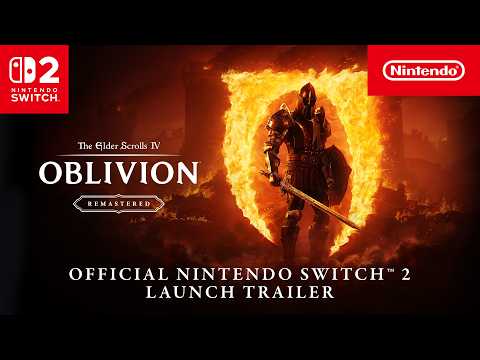
Bethesda has released the highly anticipated The Elder Scrolls IV: Oblivion Remastered for the Nintendo Switch 2, as revealed on August 11, 2026. The title has already been available for a year on platforms such as PC, PlayStation 5, Xbox Series X and Xbox Series S.
Due to the high demands of Unreal Engine 5, which modernized the game’s graphics, many players were skeptical about the quality of the version for the Nintendo Switch 2. The concern was justified, as the Nintendo console is not recognized for having hardware as robust as its direct competitors, and the game itself faced performance difficulties on other platforms.
However, a recent video from the ElAnalistaDeBits channel revealed an unexpected performance. NVIDIA DLSS technology proved to be fundamental, acting as an asset for the console. Thanks to it, the Nintendo Switch 2 was able to deliver higher image quality than the Xbox Series S and maintain stable performance, even starting from a lower base resolution.
Direct comparison highlights the power of the Nintendo Switch 2
The comparison video put Oblivion Remastered running on the Nintendo Switch 2 side by side with the PlayStation 5, Xbox Series S and Steam Machine versions. The detailed analysis showed that the adaptation for the portable console is remarkably successful.
Although the graphics settings are naturally more modest compared to those on other consoles, the Switch 2 edition manages to surpass even the visual quality of the “low” settings found in the PC version.
The base resolution on the Nintendo Switch 2 is lower than its competitors. However, the use of NVIDIA DLSS is the crucial differentiator, allowing the notebook to present a more defined and visually enhanced image, notably superior to what is seen on the Xbox Series S, which does not have this NVIDIA upscaling technology.
Solid performance even for a portable console
In terms of performance, Oblivion Remastered on Nintendo Switch 2 is also impressive. Despite still registering some drops in frame rate in open areas, the game often manages to sustain the 30 FPS mark.
This is a remarkable feat for a portable system, especially considering the optimization challenges that the title itself presents on other current-gen consoles, which have significantly greater processing power.
With the uncertainties about the quality of the adaptation for the Nintendo Switch 2 now resolved, the expectation is that portable players, who can enjoy the game anywhere, will remain engaged in Oblivion Remastered for longer. This contrasts with the behavior of PlayStation 5 players, who, for the most part, abandoned the title after the initial period of nostalgia.
Given that the release of The Elder Scrolls 6 is still far away, the remaster of the fourth game in the saga could represent the only new experience of the franchise for fans in the near future.




