
Facial sagging with GLP-1: how rapid weight loss affects the face and what to do

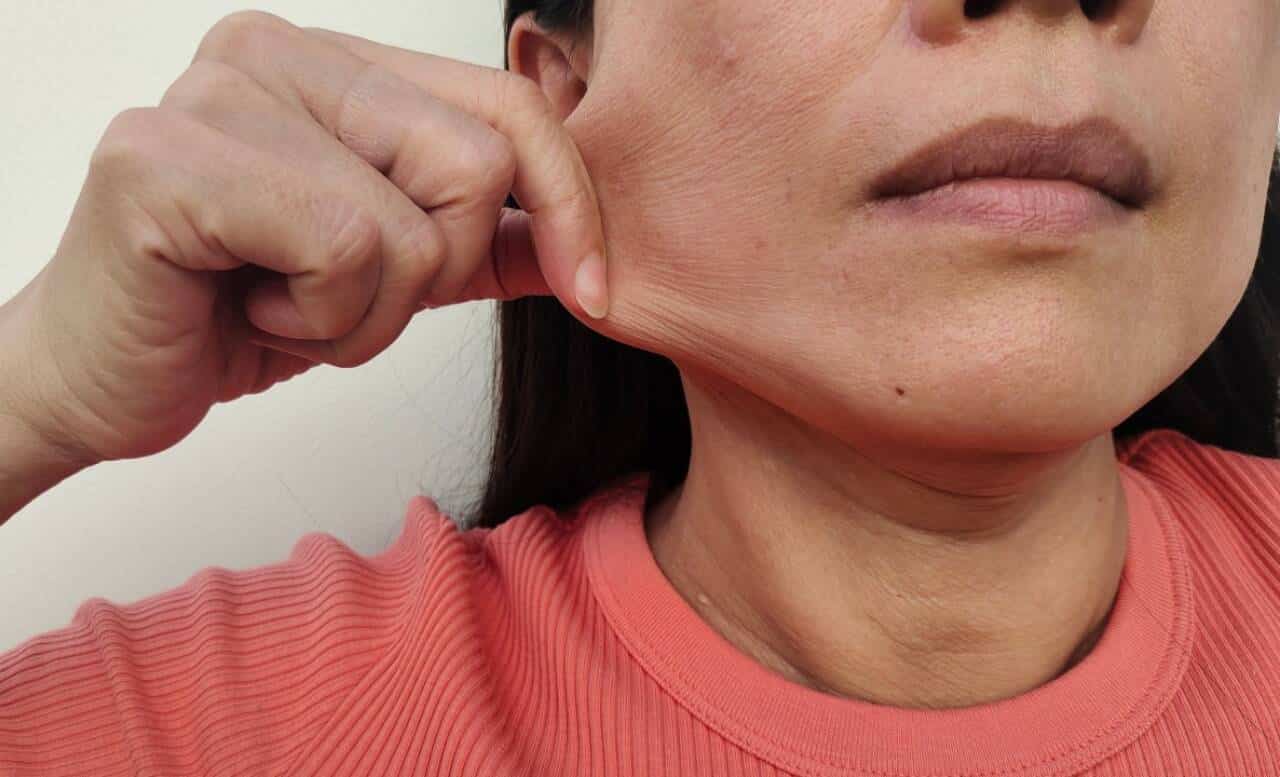
GLP-1-based medications, initially created to control diabetes, have driven a significant transformation in the treatment of obesity and the weight loss process. With their growing popularity for individuals with a high body mass index, these drugs have, however, generated a new concern related to facial aesthetics. It is observed in certain patients that a significant decrease in body weight leads to sagging or a reduction in facial volume, giving the face a tired or older appearance.
How reducing body fat affects the face
When losing weight, whether through pharmacological interventions, restrictive diets or lifestyle changes, there is a reduction in fat in all parts of the body, including the face. The fat present in the face is essential for maintaining the structure, volume and contours that remind us of youth. Its absence can result in looser skin and more evident wrinkles, leaving the face with a sunken and, sometimes, more aged appearance.
Weight loss speed influences skin adaptation

It is important to note that this condition is not restricted to the use of weight loss drugs and can occur with any type of accelerated weight loss. However, the high efficacy of GLP-1 medications often leads to faster weight loss, which reduces the time it takes for the skin to adjust to the new proportions.
Although it is not simple to completely prevent it, as body fat loss cannot be targeted to specific areas, some strategies can be adopted to mitigate the most visible effects:
- Gradual weight loss:Losing weight more slowly allows the skin to adapt to changes in the body, minimizing the likelihood of severe sagging.
- Constant hydration:Keeping the body adequately hydrated is crucial to improving skin elasticity, helping it preserve its firmness during the fat reduction process.
- Skin nutrition:A daily skin care routine, which includes the use of specific moisturizers, can be beneficial.
Although some portals suggest that aesthetic procedures such as fillers, Botox or other surgical interventions can restore facial volume and firmness, it is essential to consider that such methods involve risks and do not guarantee uniform results for everyone.
Above all, the main purpose of weight loss, regardless of the method used, should be to improve general health, and not just achieve an aesthetic standard. If there is concern about changes in the appearance of the face, it is recommended to seek medical or dermatological advice to discuss the balance between weight loss and approaches to maintaining a satisfactory image.




