
Near-total lunar eclipse and parade of planets dominate the August sky

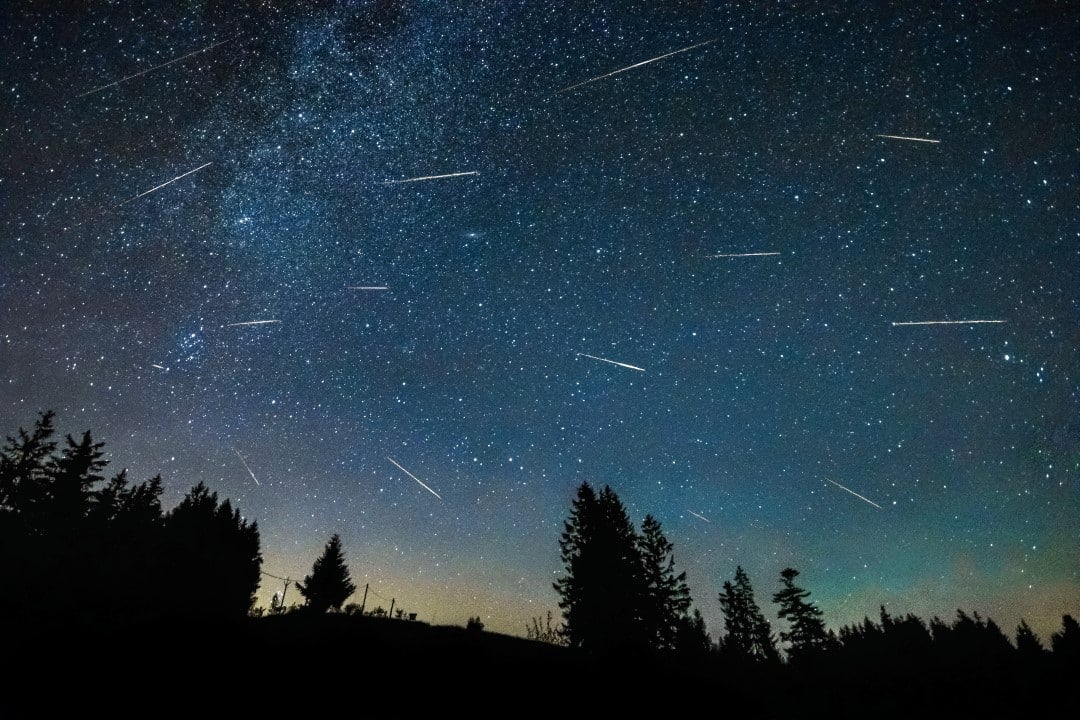
The eighth month of 2026 holds an intense agenda for observers of the cosmos, with a series of celestial phenomena scheduled for the coming weeks. From the second fortnight onwards, the celestial vault transforms into a dynamic stage for the conjunction of stars, the partial darkening of our natural satellite and the long-awaited restart of the aurora borealis season in extreme latitudes of the northern hemisphere. The Earth’s orbital dynamics will provide privileged angles for those who follow planetary movements.
To make the most of these nighttime displays, enthusiasts need to plan their viewing sessions in advance, mapping out the exact times and correct visual coordinates. The use of updated celestial charts ensures that the viewer knows exactly which quadrant to point their instruments at, transforming a simple night outdoors into a true astronomical immersion and avoiding the frustration of looking in the wrong direction.

Even with some events having already occurred at the beginning of the month, the cosmic calendar does not lose strength and continues to deliver visual spectacles of high magnitude for those who keep their eyes turned upward during the early hours of the morning and early evening.
Which stars in the solar system shine before dawn
Early risers will have the privilege of following a true planetary procession crossing the firmament in the hours before sunrise. During this period, Mars, Uranus, Saturn and Neptune appear in the darkness, creating a noticeable arc of light. Although Mars and Saturn shine easily with the naked eye, viewing the most distant gas giants, such as Uranus and Neptune, necessarily requires the aid of well-calibrated telescopes or long-range binoculars to capture their faint reflections in deep space.
With about sixty minutes left until dawn, Mercury and Jupiter appear imposingly just above the horizon line in the east. This single file formation in the sky obeys the ecliptic line, which represents the imaginary plane of the solar system’s disk through which all celestial bodies orbit our central star, making it easier to locate multiple planets in a single visual scan.
Earth’s shadow covers almost the entire surface of the natural satellite
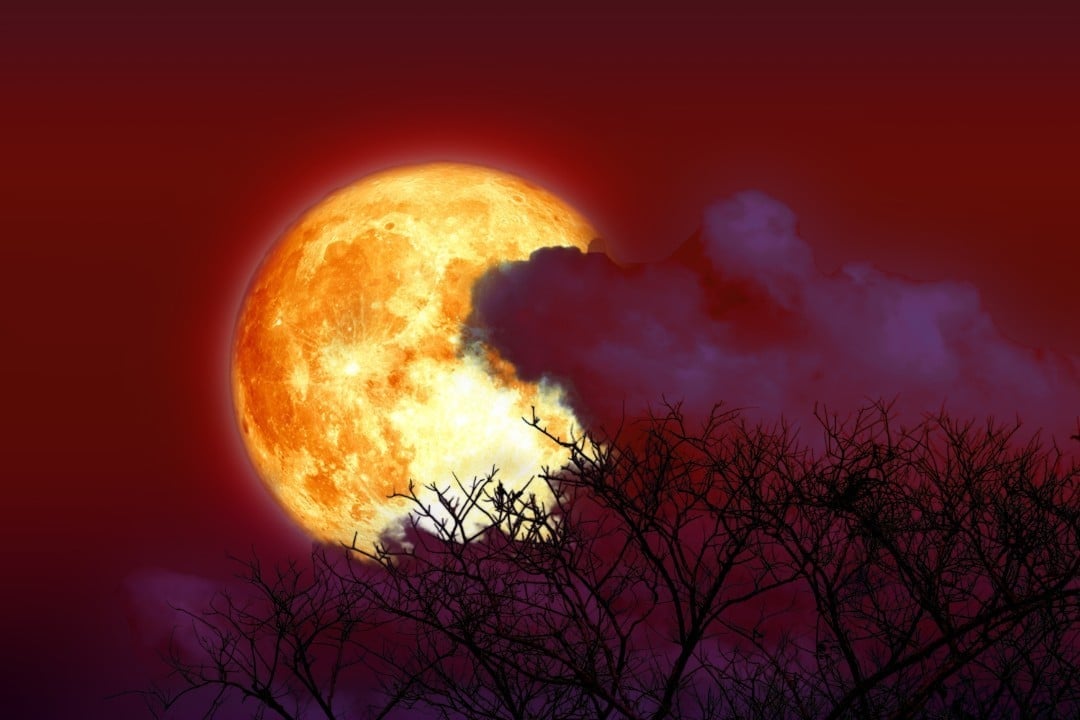
In the transition between the 27th and 28th, a partial lunar eclipse will take over the night sky, mainly favoring observers located in North America, where the phenomenon will reach its peak of visibility. At the moment of greatest occultation, the cone of shadow cast by our planet will swallow a staggering 96% of the illuminated lunar disk, creating a dramatic contrast against the dark background of space.
Unlike the famous “blood moon” seen in total blockages, this time the cratered surface will take on a very soft and ghostly orange tone due to the refraction of sunlight in the Earth’s atmosphere. Peak dimming occurs around midnight on the American East Coast time zone and around 9pm on the West Coast, and it is highly recommended to consult astronomy software to convert these times accurately for your specific region.
Curious origin of the name given to the full phase at the end of the month
The full phase of August, historically named the Sturgeon Moon, reaches its maximum brightness exactly at midnight on the 28th, East Coast time in the United States. While the previous dawn focuses attention due to the eclipse, the night of the 28th will deliver a visually more robust and dazzling silver globe shortly after emerging on the horizon, completely dominating the night’s natural lighting.
The ideal moment to contemplate this magnitude occurs when the star appears in the east, coinciding with sunset on the opposite side. The peculiar nickname derives from traditions cataloged by The Old Farmer’s Almanac, which associated this time of year with the abundant fishing of sturgeon fish in the American Great Lakes and Lake Champlain, a vital practice for the native communities of that region during the end of summer in the northern hemisphere.
Apparent encounter between the ring giant and the Moon
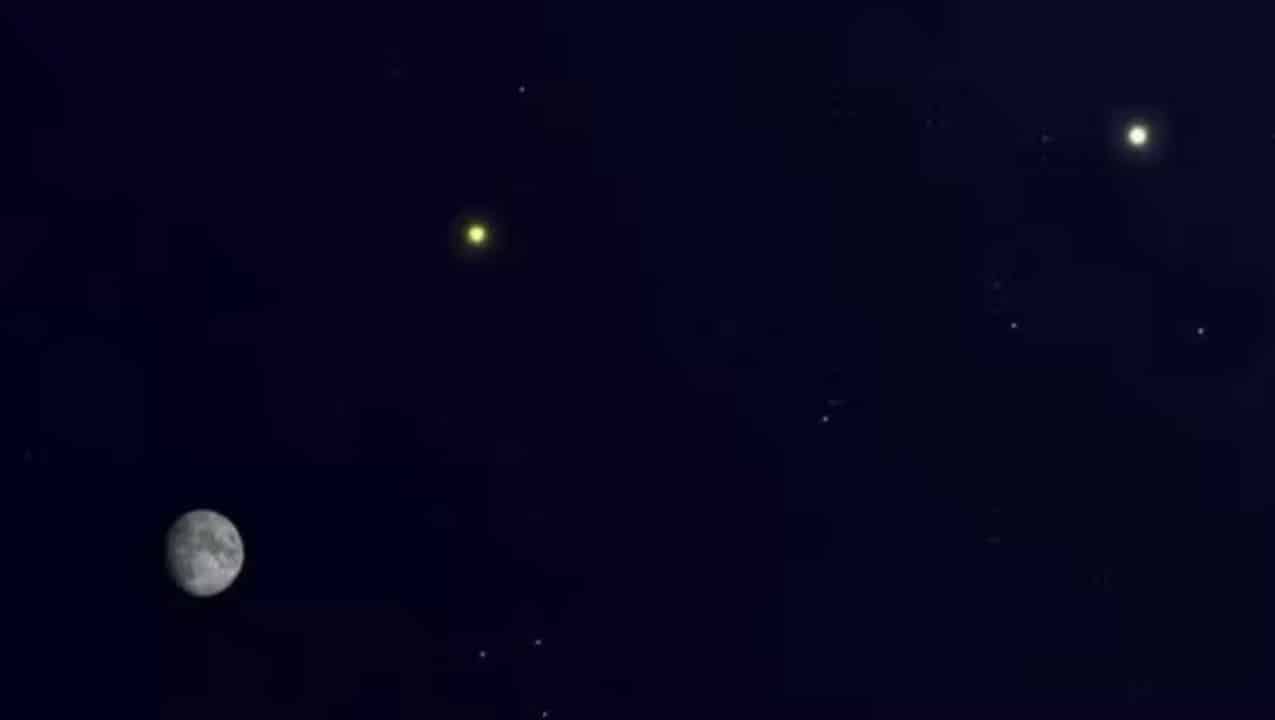
The end of the monthly astronomical calendar brings a beautiful visual approach between our satellite and Saturn, scheduled for the nights of the 30th and 31st. The two celestial bodies will be separated by an angle of just five degrees in the celestial vault, a narrow gap that is approximately equivalent to the thickness of three fingers stretched out against the sky when the arm is fully extended.
The cosmic duo rises in synchrony on the eastern horizon about one hundred and twenty minutes after afternoon twilight, sailing together along the ecliptic route until it is overshadowed by the first rays of the morning. Other members of the morning parade, such as Mars and Jupiter, will follow the same route shortly afterwards, standing out intensely to the naked eye without the need for magnifying glasses and completing the astronomical picture.
Dancing lights return to the skies of the far north of the globe
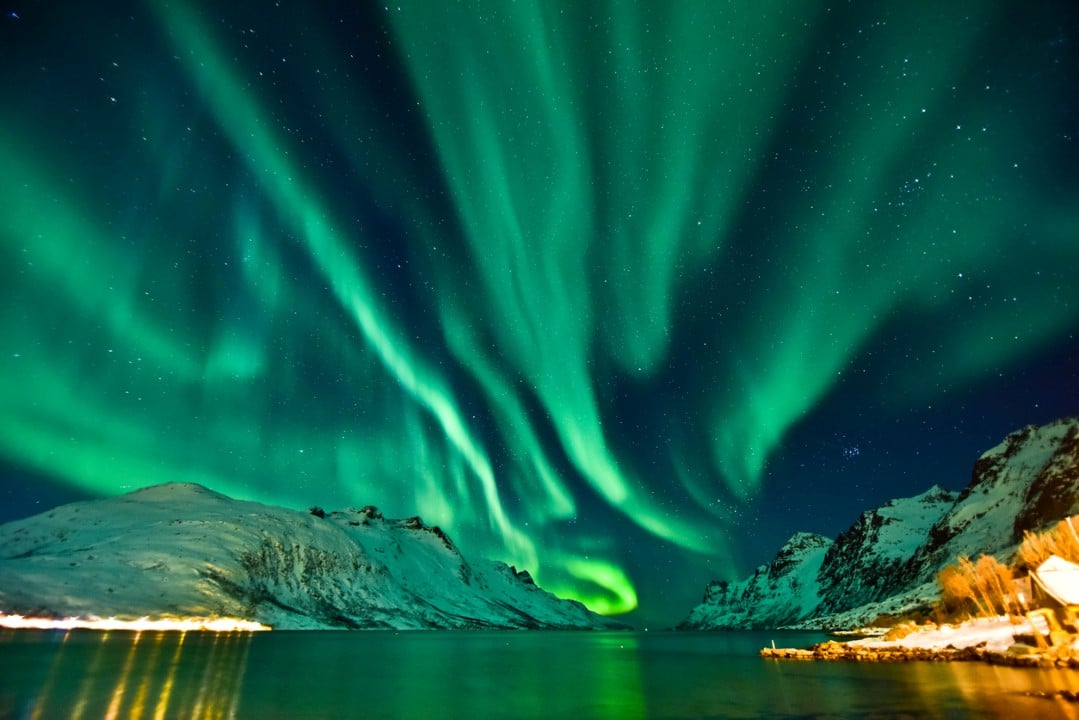
The last days of the month decree the official opening of the Northern Lights hunting season, driven by the gradual increase in hours of darkness in Arctic areas. Solar storm hunters are already preparing their photographic equipment to record the first curtains of green and violet light tearing through the stratosphere.
The inaugural displays of the luminous phenomenon usually favor observers positioned in the following high latitude regions:
- Alaska, in the icy extremes of the United States.
- Isolated northern territories of Canada.
- Iceland, especially in areas away from the capital Reykjavik.
- Countries on the Scandinavian peninsula, such as Norway and Sweden.
To ensure a clear view of solar particles ionizing the Earth’s atmosphere, the viewer must escape the light pollution of urban centers and monitor space weather reports. The intensity of the colors in the sky directly depends on the volume of plasma ejected by the Sun and local meteorological conditions, requiring patience and skies completely clear of clouds on the night chosen for the expedition.





