
New strategies for yachts to avoid orca attacks in the Mediterranean

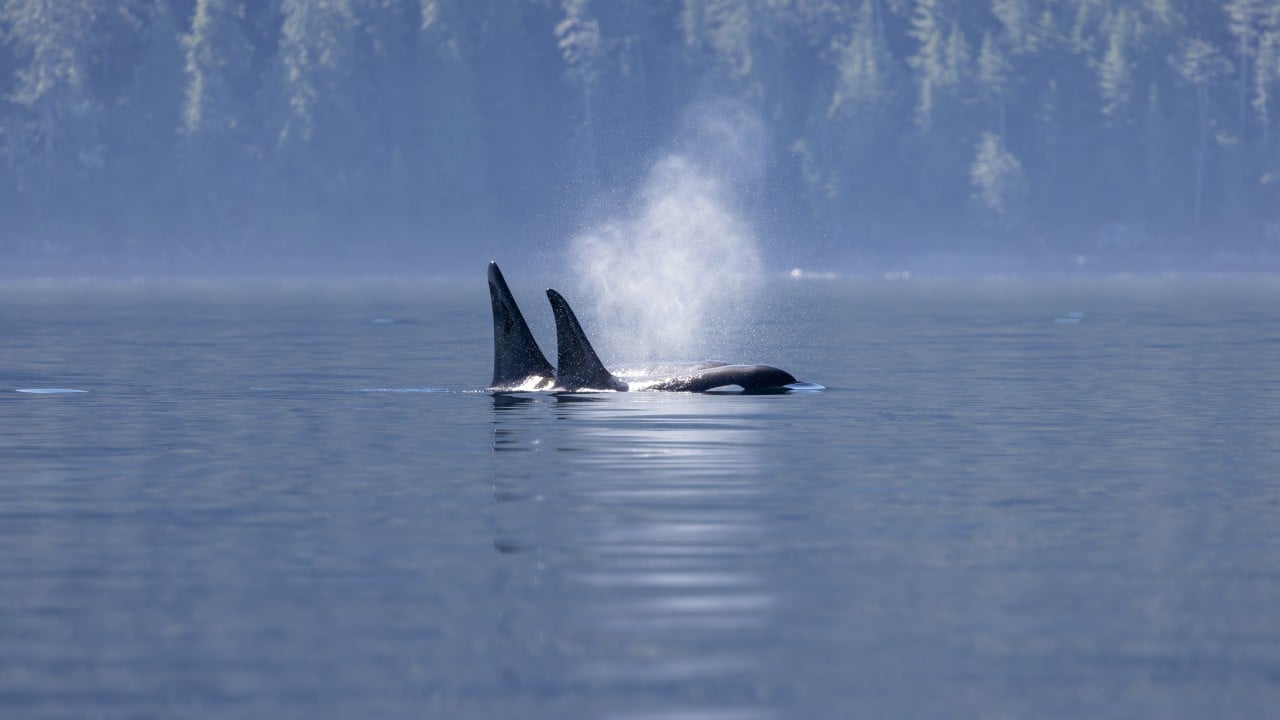
The number of interactions between orcas and vessels, especially yachts and sailboats, has increased significantly in the waters of the Atlantic Ocean off the coasts of Portugal and Spain since 2020. These encounters range from curious investigations of the animals to more serious incidents, which include damage to rudders and, in some cases, the sinking of ships. Navigators and researchers seek to understand the causes of this behavior and develop best practices for maritime safety.
The increase in encounters between orcas and vessels in the Iberian Peninsula
Reports indicate an alarming rise in incidents involving orcas in the Strait of Gibraltar region and along the Iberian coast over the past four years. Hundreds of vessels have been affected by these encounters, which often involve orcas focusing their attention on the boats’ rudders. The repetition of these events generated concern among navigators and the scientific community.
The observed behavior involves groups of orcas approaching vessels, biting and pushing the rudder, and sometimes even turning the boat. Despite the intensity of the interactions, the animals’ intention does not appear to be predatory aggression, but rather a behavior that some experts describe as playful or exploratory, possibly learned within their communities.
Why Orcas Interact with Yachts: The Competition Theory
There is still no scientific consensus on the exact cause of these attacks, but one of the most accepted theories suggests that orcas may not see boats as prey or direct opponents, but rather as elements that compete for space or even as toys. This perspective contradicts the idea of ”revenge” against humans or vessels.
The social behavior and intelligence of orcas are important factors in this analysis. Experts believe that one or more individuals may have initiated these interactions, and other members of the group, especially younger ones, learned to reproduce the behavior. This would explain the rapid spread and persistence of incidents in specific areas.
Key preventative measures to protect vessels from orcas
For navigators who plan to cross high-incidence areas, adopting preventive measures is essential. Awareness of risk zones and observing boating guidelines can decrease the likelihood of an encounter. It is crucial to always be aware of the presence of marine life.
Experts and maritime authorities recommend a series of actions that can be taken before or during the presence of orcas. The main objective is to make the vessel less attractive or vulnerable, without causing harm to the animals. Collaboration with research centers to report sightings is also essential.
Action strategies during an interaction with orcas
If an interaction with orcas is already underway, the priority is to remain calm and follow specific protocols to minimize risks. Retaliating against the animals is prohibited and ineffective, and may worsen the situation or harm the orcas, which are protected species.
There are clear guidelines on what to do and what not to do when orcas are interacting with a boat. The objective is to discourage the animals’ interest in the vessel and ensure the safety of everyone on board.
- Do not retaliate:Avoid shouting, throwing objects or trying to aggressively scare the orcas away.
- Stop the boat:Reducing speed or, if possible, completely stopping the engine and vessel may reduce the animals’ interest.
- Keep calm:Sudden movements by the crew can be perceived as a threat or a stimulus for interaction.
- Contact the authorities:Report the situation immediately to local maritime authorities, providing your exact location and the nature of the interaction.
- Protect the rudder:Although difficult during the incident, some recommendations include reinforcing or trying to protect the rudder from bites and impacts.
The importance of research and understanding animal behavior
The complexity of interactions between orcas and vessels underscores the continued need for research. Marine scientists work to collect data, map occurrences and decipher the behavior patterns of these mammals. The information generated by these studies is vital for developing effective and lasting solutions.
Understanding orca behavior not only helps protect mariners, but also promotes harmonious coexistence between humans and marine wildlife. Collaboration between sailors, researchers and authorities is key to ensuring safety at sea and the well-being of these magnificent creatures.





