
Snow surprises on Mauna Kea during Hurricane Lala in Hawaii

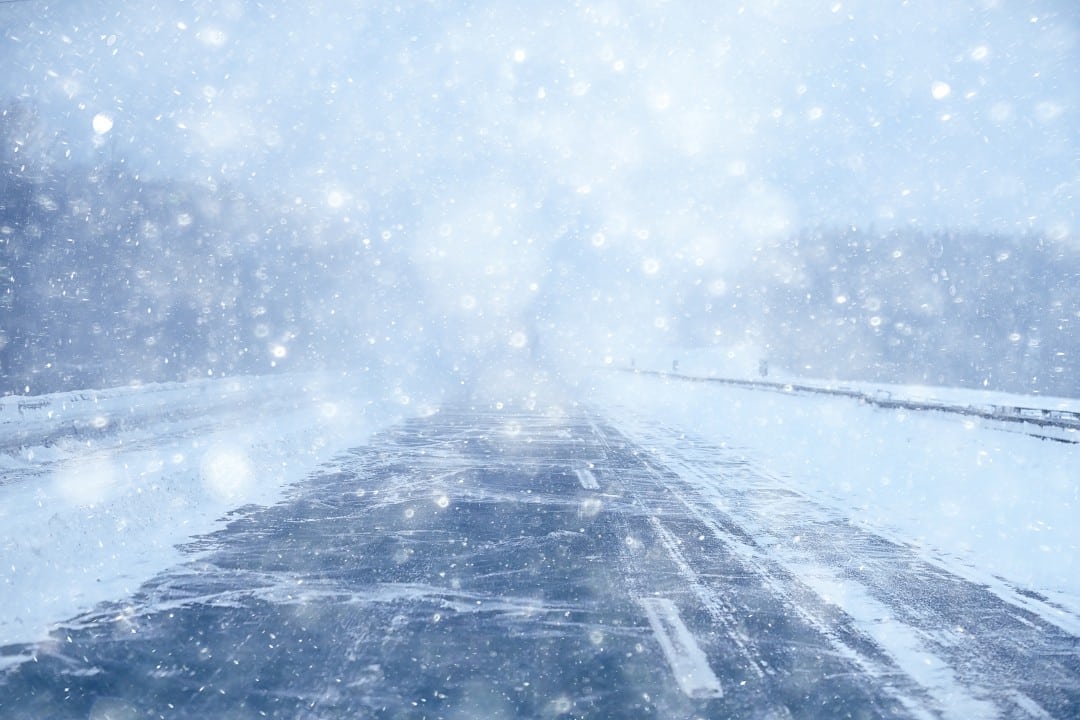
An unusual meteorological phenomenon was recorded in Hawaii on August 18, 2026, when snowflakes fell on the top of the Mauna Kea volcano as Hurricane Lala hit the region. The scene, considered one of the most bizarre of the year, combined the torrential rain and destructive winds of a tropical cyclone with the freezing climate of high altitudes.
While the Big Island faced flooding and gusty winds, the summit of Mauna Kea, which rises about 4,205 meters above sea level, was covered in snow. Although Hawaii is known for its tropical climate and idyllic beaches, the event illustrates a complex atmospheric interaction, making it a case study for meteorologists.
Understand the physics behind snow in a hurricane
The apparent contradiction of a tropical hurricane producing snow in a warm environment is explained by atmospheric physics. The top of Mauna Kea frequently records temperatures close to or below 0°C, even though it is in a tropical region. This is because the temperature of the atmosphere decreases considerably with increasing altitude, making the air at the summit tens of degrees colder than at sea level.
What made the episode exceptional was the coincidence of a vast amount of tropical moisture provided by Hurricane Lala, sufficiently low temperatures at altitude, and the presence of a mountain jutting nearly four kilometers above the ocean. This conjunction of factors created the ideal conditions for precipitation to freeze.
The approach of Hurricane Lala and its consequences
Hurricane Lala, classified as category 1, did not make landfall directly on Ilha Grande, but passed at a distance of approximately 40 to 50 kilometers from the coast. Despite this, the system’s outer circulation and eyewall directly impacted the island, marking the closest approach to a hurricane ever recorded on the Big Island since the beginning of modern observations.
During the hurricane’s passage, the top of Mauna Kea recorded wind gusts that exceeded 190 km/h, with a thermal sensation that reached -4°C. Simultaneously, the cyclone transported an extraordinary amount of water vapor to the archipelago, fueling the precipitation process.
The role of Hawaiian relief in snow formation
Hawaii’s imposing terrain played a crucial role in the phenomenon. When the moist air associated with Hurricane Lala met the mountainsides, it was forced upward. This process, known as orographic lifting, causes air cooling and favors the condensation of water vapor, intensifying rainfall in the lower parts of the island.
At altitudes near Mauna Kea’s summit, however, the temperature was low enough that precipitation turned to snow rather than rain. In this way, the same storm that caused floods and landslides in coastal areas was, a few kilometers above, creating a winter landscape.
Record rainfall and the uniqueness of the event in August
The amount of water transported by Hurricane Lala was remarkable. In some parts of the island, rainfall exceeded 900 millimeters. In Laupāhoehoe, northeast of the Big Island, a preliminary total reached about 1,107 millimeters (43.55 inches), which could place Lala among the wettest tropical cyclones ever recorded in the United States.
Although snow on Mauna Kea is not an entirely rare event — the volcano can receive snow during the winter months — its occurrence in August and under the direct influence of a tropical hurricane is what caught the attention of meteorologists. Hurricanes are generally associated with hot and humid weather conditions, making this episode one of the major meteorological anomalies of the year. The snow was not the result of cold air coming from high latitudes, but rather the unique combination of tropical moisture, orographic rise, and the low temperatures of high altitude.




