
Astronomers reveal details about Halley’s comet’s long-awaited return in 2061

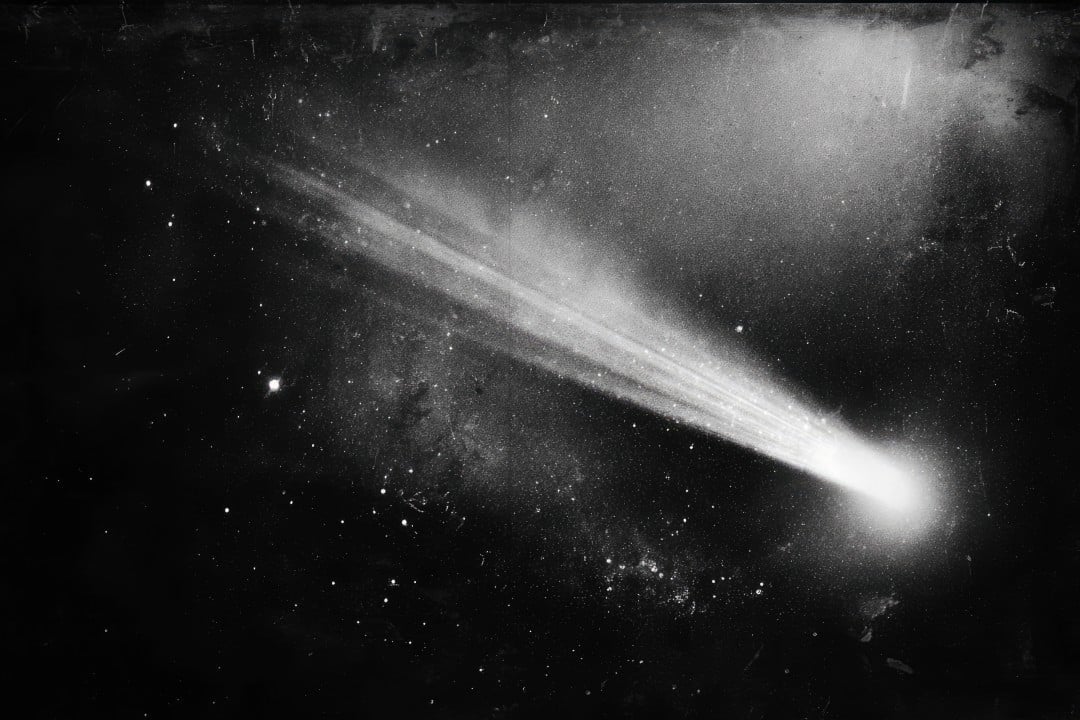
The return of Halley’s comet, one of the most famous and awaited celestial visitors, is already mobilizing astronomers. Explanations about its next appearance were detailed on August 15, 2026, offering astronomy enthusiasts a roadmap to witness this spectacle, even in the face of the challenges of urban light pollution. In addition to revealing the date of its reappearance, scientists indicate ways to appreciate the star’s tracks long before its triumphant arrival in 2061.

The allure of a cosmic return that enchants generations
Many people go through life without having the opportunity to observe a major astronomical event with the naked eye. Halley’s Comet has become a true global legend due to its long orbital period, completing one revolution around the Sun every 76 years. The last notable pass occurred in 1986, leaving vivid memories of an intense glow in the night sky for those who had the chance to see it. This prolonged frequency makes each appearance a milestone for an entire generation of observers, transforming the wait into an event of great anticipation.
The comet’s long journey, which takes it to the most distant and icy regions of the solar system before beginning its return trajectory, contributes to the rarity and charm of its observation. This particularity deeply touches the imagination of everyone who has a passion for the mysteries of the universe, creating a unique chance to look at the sky and feel a deep connection with the rhythm of the cosmos.
The route calculated by scientists to predict its appearance
In past times, the unexpected appearance of bright celestial bodies often generated fear and fueled frightening legends among the population. This scenario began to change thanks to the work of English researcher Edmond Halley, who identified identical patterns in the records of ancient comets every seven decades. It was he who predicted with remarkable accuracy the return of the comet in 1758, demonstrating that the object followed a consistent elliptical orbit, dispelling mysticism and ushering in an era of scientific understanding.
The most recent studies detail that this immense space body is made up of a complex mixture of ice, dust and various frozen compounds. As it approaches the heat of the Sun, the material on its surface sublimates, forming the imposing, luminous tail that we can see from Earth. Understanding this natural dynamic allowed humanity to overcome the ancestral fear of space phenomena, replacing dread with genuine admiration for the grandeur of cosmic nature.
Projections for the visibility of Halley’s Comet in 2061
Estimates from astronomical centers around the world indicate the expected return of Halley’s Comet in mid-2061. Unlike the previous passage, in 1986, which presented challenging visibility conditions in many regions, especially in Brazil, the new projections point to a much more promising scenario. The main reason for this improvement is that the comet will be positioned on the same side of the Earth in relation to the Sun, which will guarantee a significantly greater brightness for observers and a more obvious trajectory.
In practice, this means that interested parties will have several weeks to follow the comet’s trajectory without the need for expensive and specialized equipment. Current telescope technology, and even smartphone cameras, will be able to capture images with stunning clarity. The expectation is that this event will attract crowds to parks and rural areas away from artificial lighting, offering a unique opportunity to witness a historic moment before everyone’s eyes.
Annual Comet Tracks: Meteor Showers to Watch
For those who don’t want to wait decades to get a taste of this astronomical spectacle, there’s good news: there’s no need to wait. Throughout its millennia-long journey through space, Halley’s Comet releases thousands of small boulders and dust particles. When our planet crosses this trail of debris, friction with the Earth’s atmosphere causes these materials to burn, generating the well-known meteor showers.
These cosmic fragments cross our planet’s atmosphere twice a year, on well-established dates in the astronomical calendar. You can observe:
- To theEta Aquáridas, which occur in May, characterized by fast green streaks that streak across the sky during the early hours of the morning, resulting from the debris that Halley left behind.
- To theOrionids, which light up the October nights with more intense meteors, crossing the horizon, also coming from the comet’s particle cloud.
The best times to observe these phenomena always happen on new moon nights, away from clouds and artificial light sources. Following these dates guarantees the opportunity to enjoy incredible moments with shooting stars, at no financial cost.
Tips for preparing and enjoying the wonders of the night sky
For those who want to connect more with the universe and wait for the arrival of Halley’s comet, some actions can be taken now. It is recommended to download a sky map application on your cell phone to help identify the main constellations visible in your region. Furthermore, looking for a place away from city lights, such as a farm or park, on a weekend, can be an excellent way to train your night vision and get used to the darkness.
Don’t forget to write down the dates of the next meteor showers in your diary, ensuring that you don’t miss the luminous spectacles that cut through the dawn. Take advantage of every chance to admire the night sky in peace, creating special memories outdoors and cultivating a passion for astronomy.





