
New foldable iPhone 18 Pro and Ultra arrive in 2026 with drastic hardware changes

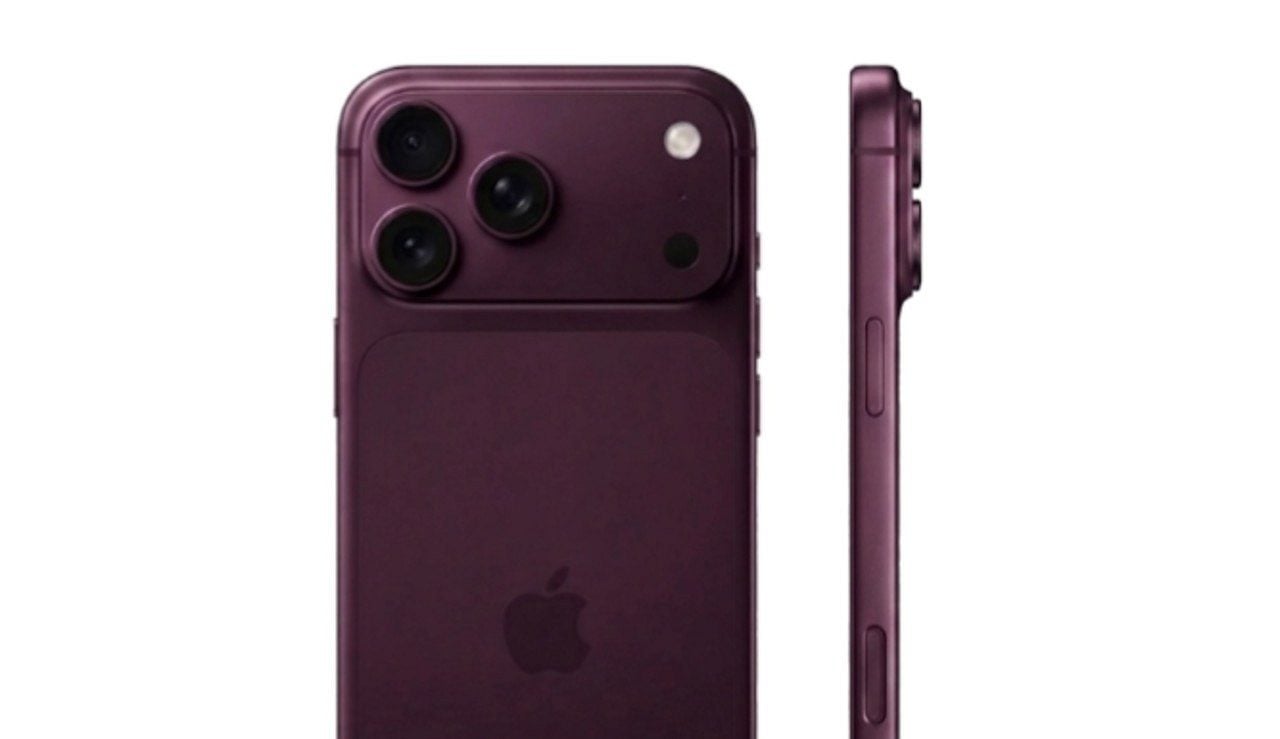
The North American technology giant plans to introduce two premium variants to the smartphone market during the second half of 2026, targeting very different consumer profiles. The long-awaited iPhone 18 Pro will focus on significant improvements in photography and power management, while the Ultra version will represent the company’s initial milestone in the foldable device segment, featuring an expansive 7.8-inch internal display. The purchasing decision will depend on which format most efficiently meets the customer’s daily demands.
The two devices will feature the unprecedented A20 processor, developed using 2 nanometer lithography by Taiwanese TSMC, an advancement that promises to redefine the standard in the mobile industry. Industry experts estimate a performance jump of around 15%, accompanied by 30% greater battery savings when compared to the A19 chip. For the Pro line, Apple must reserve the A20 Pro version, equipped with extra graphics cores and advanced neural processing. The Ultra model would receive the standard edition of the component, according to recent leaks from the supply chain, although the manufacturer maintains absolute secrecy about this strategy.
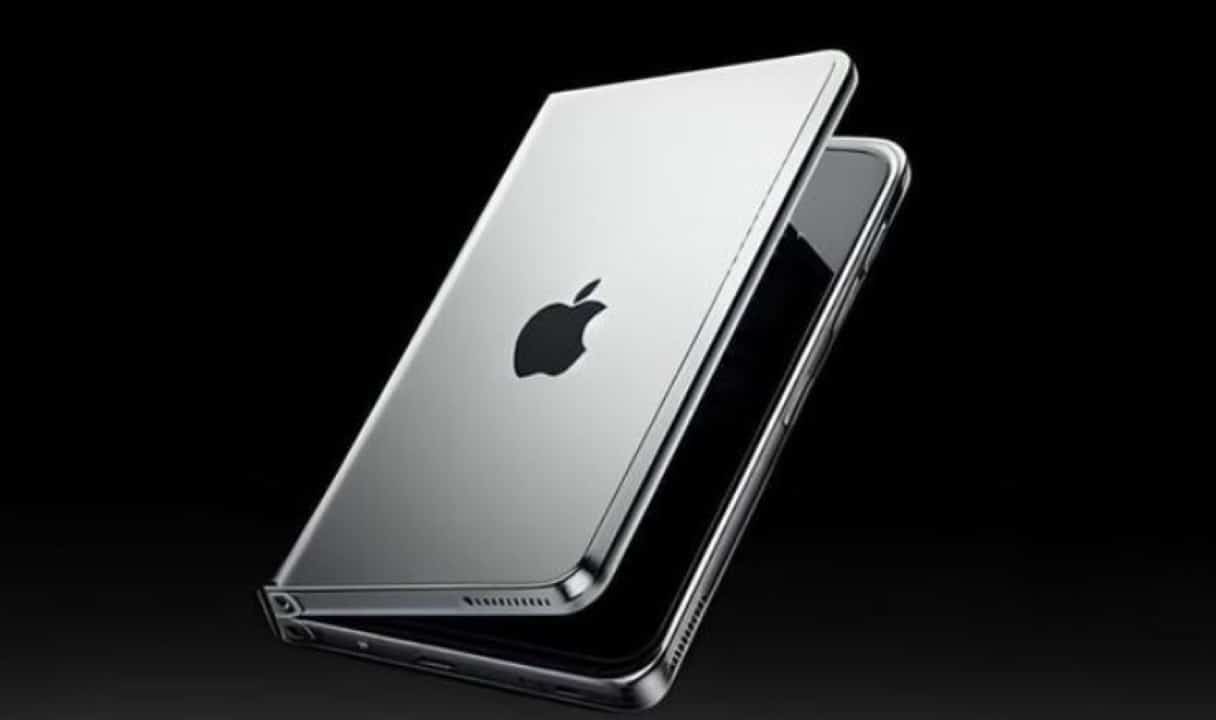
Photographic configuration establishes the main technological gap between releases
The iPhone 18 Pro’s rear optical system will feature three independent lenses, contrasting with the dual module expected for the Ultra edition. The highlight of the conventional high-end variant lies in the implementation of a variable aperture on the main 48-megapixel sensor, an innovation never seen before on the brand’s cell phones. This physical mechanism allows you to contract the diaphragm in bright sunlight or expand it in nighttime scenarios, ensuring authentic optical mastery over depth of field and exposure, reducing dependence on software algorithms.
Only the Pro series will maintain the privilege of using the high-capacity telephoto camera, inheriting the 48 megapixel structure with 8x zoom introduced in the previous generation. The articulated chassis of the folding model prevents the inclusion of this complex piece due to a sheer lack of internal physical space. Leaked documents about the company’s planning indicate tests with an even more robust primary sensor, going from 1/1.28 to 1/1.12 inches, but this specific modification should remain for later cycles.
The exclusion of the third camera in the Ultra version reflects an inevitable compromise with flexible form factor engineering. The duo of 48 megapixel sensors guarantees very high quality captures for the average user, but the absence of a dedicated lens for long-distance zoom highlights the compromises necessary to make the foldable screen viable.
- Model 18 Pro: triple set at the rear, mechanical opening system and telephoto lens restricted to the version.
- Ultra Edition: dual photographic module, without advanced optical zoom capability and focus on portability.
- Practical advantage: clear superiority of the traditional device in night photography and image approximation.
Energy capacity and screen time raise doubts about the flexible device
The larger variant, the iPhone 18 Pro Max, will hit the market boasting a power tank of between 5,100 and 5,200 mAh, working together with state-of-the-art LTPO+ panels to minimize electrical expenditure in everyday tasks. Reports from analysts in the Asian production chain attest to these technical specifications. On the other hand, the full-size Pro edition still lacks concrete leaks about significant jumps in battery capacity, depending largely on the efficiency of the new silicon.
The foldable device scenario remains cloudy in terms of energy. Powering an expansive 7.8-inch display requires a considerably larger load than that required for traditional line-up 6.9-inch panels. The articulation system itself adds extra grams to the product without freeing up cubic millimeters to allocate larger energy cells. With a projected thickness of 11 millimeters when closed, there is scope for a decent component, but no tipster has pinpointed the exact amperage so far. Establishing a direct parallel between the basic Pro version and the Ultra becomes unfeasible, as the fair comparison would be with the Pro Max, whose contrasting data does not yet exist.
Consumers who place longevity away from the socket as an absolute priority will find Pro Max the safest alternative, supported by real evidence of evolution in daily usage time.
Structural challenges and physical resistance haunt the debut of the new format
Entering the world of flexible screens brings with it uncertainties that only continuous use in the real world can answer. The useful life of the central mechanism, the visible mark in the middle of the display after thousands of openings, the adaptation of the operating system to changes in proportion and the fragility against accidental impacts are risk factors inherent to the first generation. The Californian manufacturer, which entered this market years after rival Samsung, allocates billions in research to eradicate the characteristic wrinkle of Android competitors, but the financial contribution does not guarantee an impeccable result right from the start.
The project’s physical barriers are already evident behind the scenes. The Ultra’s chassis will do without MagSafe magnetic technology, simply because it does not accommodate magnets in its compact structure. Its thickness of 11 millimeters in retracted mode easily exceeds the profile of the current family. At the same time, the iPhone 18 Pro will maintain the established design, growing an imperceptible 0.36 millimeters in height and 0.39 millimeters in width compared to its predecessor. In it, the magnetic charging will operate perfectly, the software is already mature for the rectangular format and the trio of cameras hides no surprises.
Which device to choose according to the user’s profile and needs
Mobile photography enthusiasts have the iPhone 18 Pro as their definitive choice. The introduction of the adjustable diaphragm represents the biggest revolution in the brand’s capture hardware in years, adding to the uniqueness of the advanced optical zoom. For users focused on uninterrupted productivity, the Pro Max model delivers the peace of mind of a battery greater than 5,100 mAh, an economical panel and the proven advantages of 2 nanometer lithography.
Those seduced by the innovation of the articulated format need to evaluate the purchase with caution: unless the 7.8-inch work area is crucial to your routine, skipping this inaugural generation appears to be the most sensible decision. The absence of magnetic charging, the photographic lowering and doubts about the robustness of the hinge weigh against the launch. The traditional Pro model represents guaranteed, glitch-free evolution, while the Ultra edition demands a blind vote of confidence in the company’s engineering.





