First reviews of the foldable iPhone Ultra highlight hinge, but criticize lack of telephoto lens

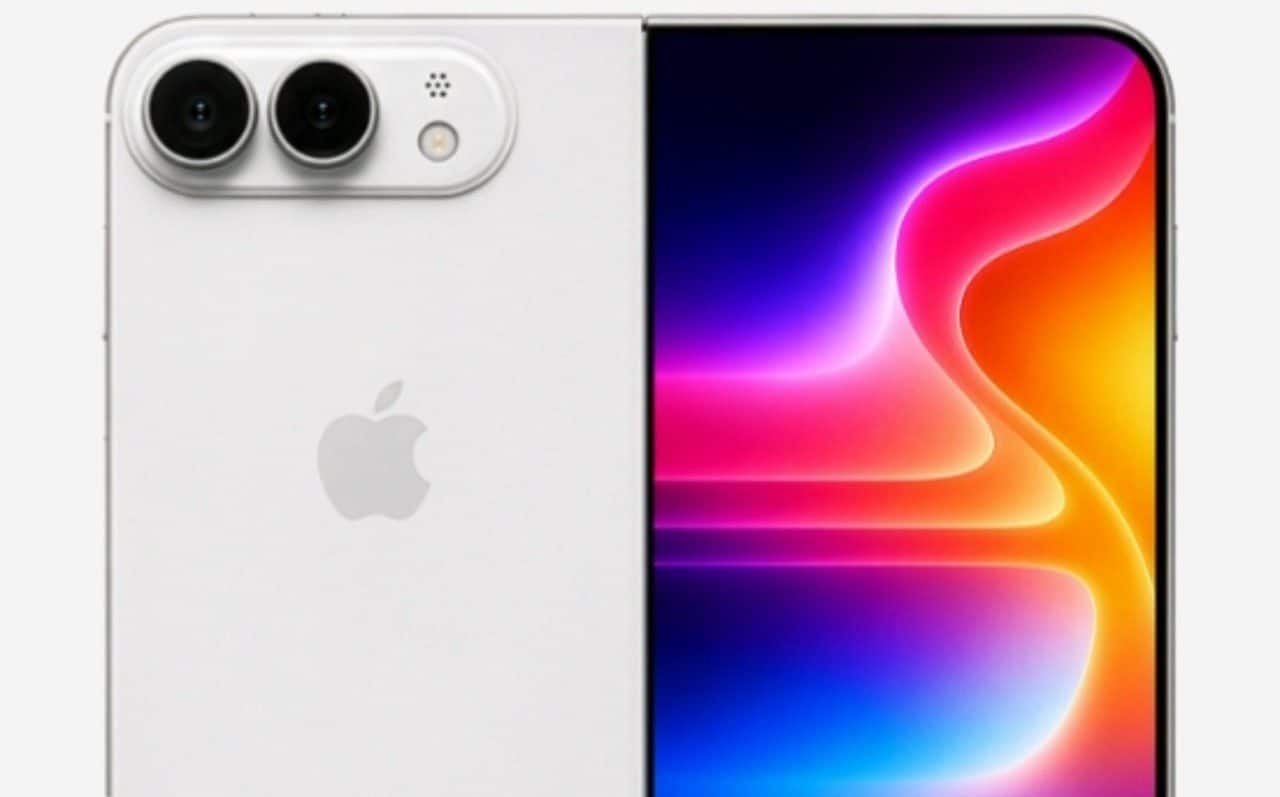
The first practical evaluations of the foldable iPhone Ultra, Apple’s long-awaited smartphone, were released on August 24, 2026. Initial tests indicate that the device’s hinge received a good reception, but the absence of a telephoto camera is highlighted as a negative point.
Individuals who had contact with the new device highlighted its compact design and hinge quality as positive features. However, the absence of a telephoto lens is often mentioned as a downside to the release.
Initial analysis of the iPhone Ultra highlights portability and hinge, but points to camera flaw
The official launch of the iPhone Ultra is scheduled for September 8 or 9, 2026. Since the beginning of the year, several prototypes, accessories and final design models have already been revealed, defining much of its aesthetics. Despite this, the final quality of the device has not yet been confirmed by reviews from real users.
Mark Gurman, a Bloomberg journalist, reported in the Power On newsletter that users with early access to the device approved the compact design, the touch sensation and the resistance of the hinge. The smartphone, when opened, displays an application layout similar to that of the iPad, optimized for the larger screen, ideal for productivity, video consumption, games and as a viewfinder for the camera.
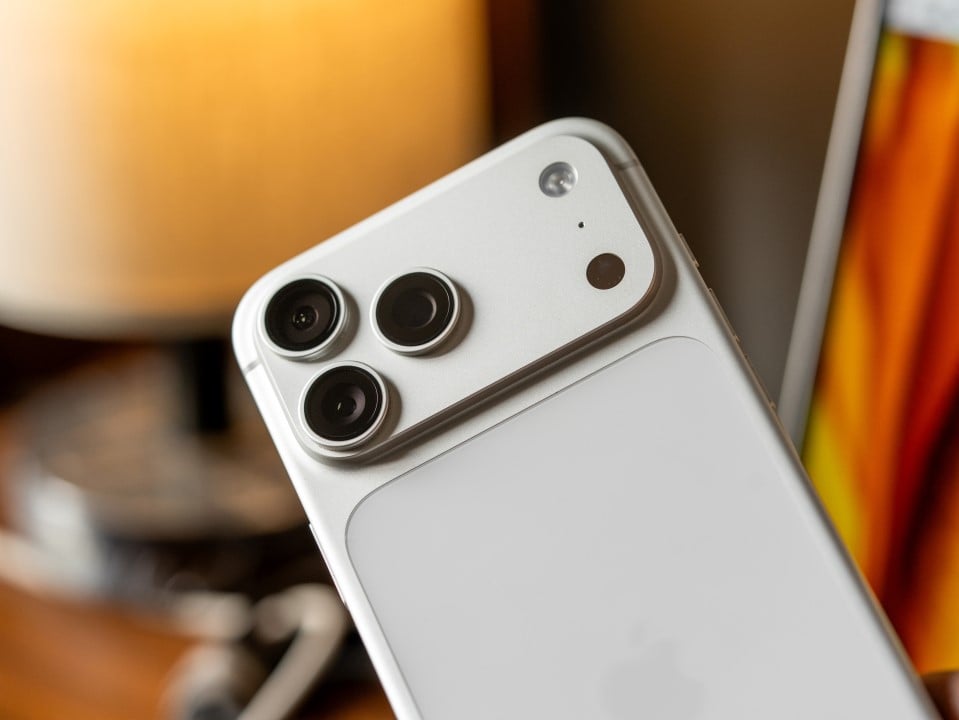
Gurman, however, pointed out the lack of a telephoto lens as a weak point in the iPhone Ultra’s camera, which may displease some consumers. With an estimated price of between US$2,300 and US$2,500, higher than that of the iPhone 18 Pro, the Ultra’s telephoto capacity would be lower than that of the Pro model, generating concern for those who use this functionality frequently.
iPhone Ultra hinge improvement overcomes production challenges and earns praise
Reports indicate that Apple has prioritized the durability of the internal screen, one of the biggest obstacles in foldable smartphones, since the development stages. Unlike other models, such as the Galaxy Z Fold 8, where the fold became noticeable in a short time, the approval of the hinge by the first testers reinforces Apple’s strategy as a company that enters the market late, but seeks to differentiate itself through quality.
Despite the advances, the hinge and folding screen faced more challenges than expected during pre-production testing, with difficulties in finding technical solutions. Even if the few units evaluated present high quality, this does not guarantee good performance in large-scale production, and positive feedback should not accelerate the launch date.
The expectation is that the iPhone Ultra will be announced without revealing the price, only with an estimated launch date, and with supply initially restricted to the United States. There is still no confirmation whether Japan will be among the first countries to receive the device. In case of delays, the rollout to other regions may take two to three months. As a result, anyone planning to purchase a new smartphone in the autumn of the northern hemisphere will probably have the iPhone 18 Pro/Pro Max as their main option, as the availability of the iPhone Ultra before the end of the year will be limited.