
Tech firms prepare consumer humanoid robots for 2027 launch

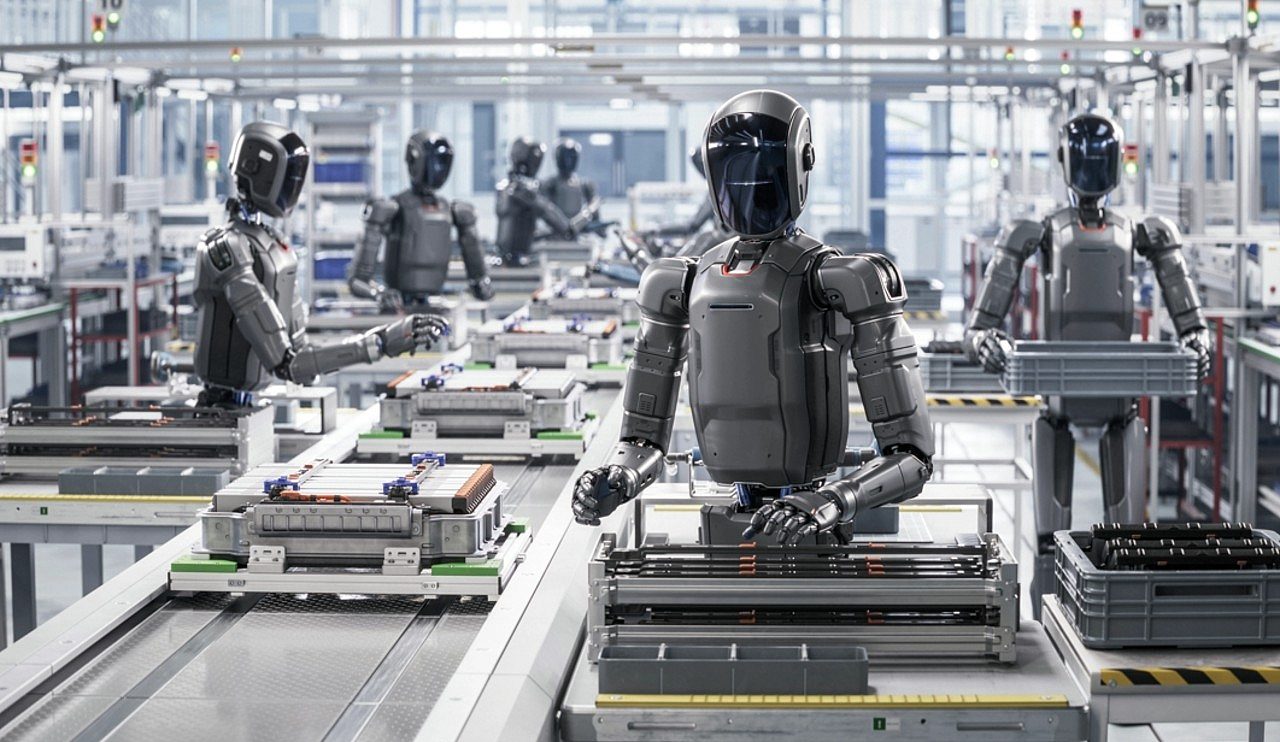
Technology companies plan to introduce humanoid robots into residential properties beginning in 2027, establishing an adoption schedule that broadens through 2029 across commercial territories. Hardware developers will supply enterprise environments first to validate reliability metrics before releasing consumer models to domestic households.
Commercial rollouts target domestic buyers after factory testing
Global capital channels billions of dollars into automated systems designed to perform recurring everyday tasks.
Current engineering roadmaps identify the 2028 to 2029 window as the primary deployment phase for broad retail distribution. Operators must guide initial models with direct supervision and task sequences during domestic chores. The sector moves fast.
Household hazards complicate machine navigation inside private residences
Unlike structured manufacturing plants where industrial equipment works under fixed parameters, private homes present unpredictable spatial difficulties including discarded children’s toys, moving household pets, displaced decorative glassware, and folded area rugs that continuously disrupt standard navigation algorithms. Automated mechanisms struggle when unexpected impediments alter clean domestic pathways.
Robotic vacuum cleaners demonstrated that domestic appliances master elementary tasks before tackling delicate manual actions, such as shutting cabinet doors gently and stacking fragile plates inside kitchen sinks without cracking surfaces.
Direct acquisition rates compete with recurring subscription fees
Corporate projections establish two primary financial structures for prospective private buyers. These options distribute hardware expenses across upfront sales and ongoing servicing models.
- Estimated outright purchase cost of US$ 20,000 per unit
- Recurring service agreements priced near US$ 500 per month
Consumers must determine whether spending US$ 20,000 offsets domestic labor expenditures over years of operation. The US$ 500 monthly lease provides access without requiring massive capital commitments upfront. Families will balance both payment strategies.
Legal liability for accidental property damage remains unresolved
Operating autonomous hardware inside residences in Brazil generates urgent inquiries regarding financial accountability for physical accidents involving children or structural destruction.
Neither manufacturers nor property owners possess established legal frameworks to govern financial restitution for residential incidents caused by active machines. Deliberations continue across Brazil as industrial partners finalize terms prior to full-scale assembly line operations.





