
Mariana Trench enzymes withstand 100 megapascals in deep seas

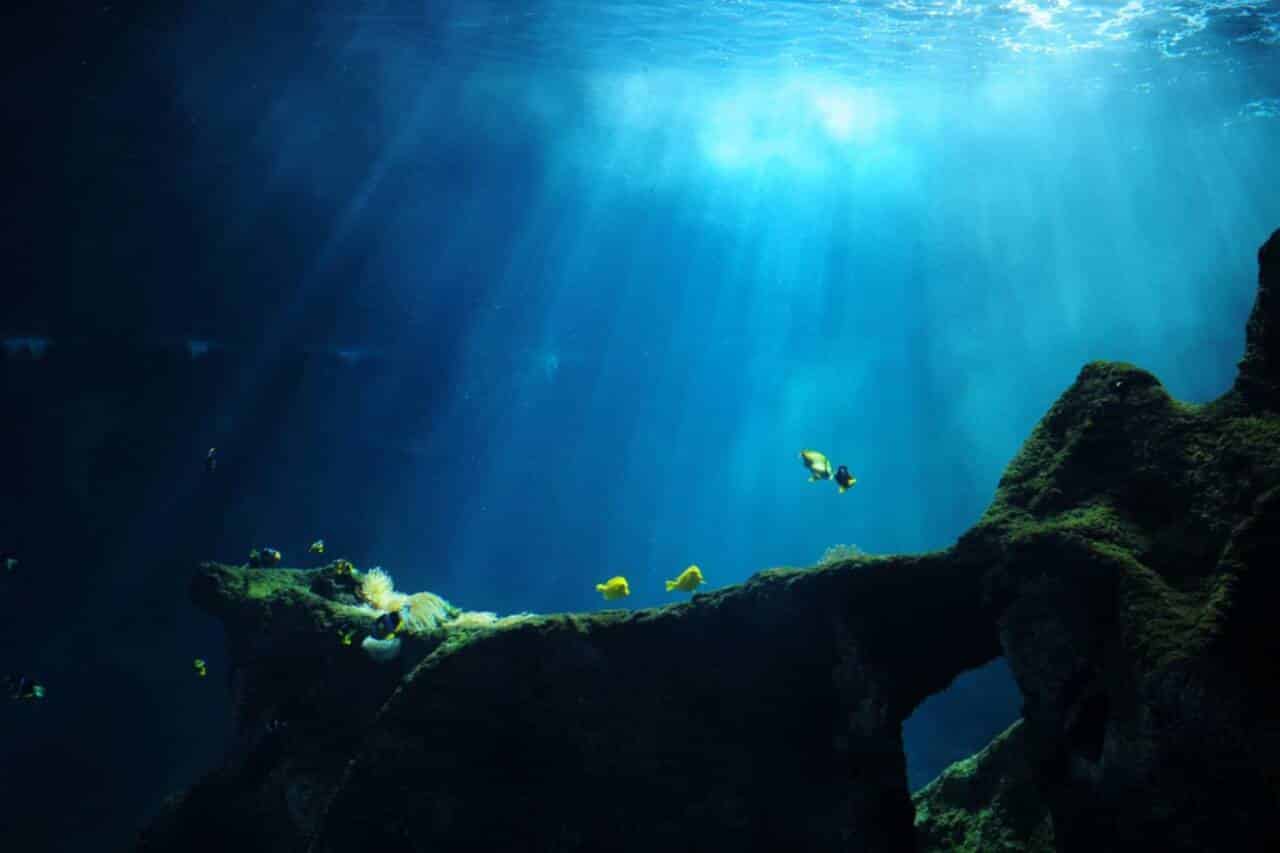
Biophysical measurements recorded in September 2026 prove that deep-sea proteins preserve their structural form under crushing hydrostatic forces exceeding 100 megapascals. Marine samples recovered from depths below 6,000 meters demonstrate how these specialized molecular networks resist catastrophic deformation across extreme underwater trenches. This physiological resilience allows vital organic functions to operate inside oceanic zones long viewed as uninhabitable for complex biology.
Deep ocean waters compress. This physical contraction drives surrounding fluid into vulnerable cellular structures across hadal habitats located past 6,000 meters below sea level.
Dense internal networks protect piezophilic protein structures
Massive hydrostatic pressures reaching 10,000 meters within the Mariana Trench routinely push ambient water molecules directly into internal enzyme voids. Terrestrial biological systems collapse under these exact conditions because intruding fluids instantly derail delicate metabolic pathways. Deep-sea biomolecules bypass this physical threat by organizing compact internal architectures and extensive hydrogen-bonding lattices that leave zero open volume inside the core.
Common land-based enzymes unravel completely whenever environmental forces climb above 400 atmospheres, yet piezophilic proteins integrate compact alanine and glycine residues that preserve catalytic functions near 2 degrees Celsius. By substituting these specific amino acids into their cores, oceanic molecules substantially minimize the volumetric gap separating their folded and unfolded configurations.
Specialized osmolytes shield marine peptide chains from crushing forces
Organisms inhabiting abyssal depths produce dense concentrations of trimethylamine N-oxide to maintain equilibrium against immense outer pressures. The chemical compound forces surrounding water dipoles into rigid microscopic cages that encase polypeptide backbones. These molecular shields block pressure-induced denaturation across the entire protein chain.
When pressure differentials across cell walls exceed 80 megapascals throughout deep zones of the Pacific Ocean, organisms systematically elevate trimethylamine N-oxide volumes to prevent the immediate physical breakdown of vital metabolic enzymes required for continued physiological survival. Controlled laboratory experiments confirm that maintaining a single molar ratio of this protective solute prevents multi-subunit molecular complexes from suffering structural collapse.
- Hydrostatic resistance functions across depths ranging from 4,000 to 11,000 meters.
- Intracellular levels of protective osmolytes increase alongside rising ambient depth.
- External salt bridges secure tertiary macromolecular arrangements against physical shear.
Evolutionary divergence separates deep-sea catalysts from surface counterparts
Creatures surviving across abyssal depths develop distinct biochemical adaptations according to discrete oceanic tiers. Biological systems operating below 4,000 meters exhibit specialized chemical configurations absent in shallow water counterparts. These distinct modifications preserve baseline metabolic rates despite crushing vertical weight.
Surface enzymes rely on flexible external peptide loops to secure substrate targets under standard atmospheric pressure of 1 atmosphere. Hadal counterparts replace these loose structural segments with rigid proline residues and surface ionic bonds that stop forced water entry into active catalytic sites.
Structural analysis via X-ray crystallography indicates that hadal biomolecules maintain internal packing density 12 percent tighter than comparative proteins taken from shallow fish. This structural density prevents volumetric distortion when shifting ocean currents displace organisms vertically through the water column. Consequently, internal biochemical mechanisms remain unaffected by rapid pressure transitions.
Biotechnology manufacturing adopts pressure-resistant oceanic biocatalysts
Commercial bioprocessing plants employ pressurized reactors running at 60 megapascals to accelerate industrial biochemical reactions without introducing destructive heat. Specialized piezophilic enzymes maintain normal reaction velocities under these parameters, prompting pharmaceutical manufacturers across Europe and North America to evaluate them for dense pharmaceutical synthesis.
Deep-sea catalysts endure intensive manufacturing stress. Piezophilic proteins retain molecular integrity during sustained industrial cycles at 60 megapascals. Synthetic biology laboratories engineer these durable peptide sequences to extend the operational shelf life of diagnostic chemical reagents.
Geneticists catalog cloned marine sequences inside specialized databases while storing physical samples at 4 degrees Celsius. Upcoming structural analyses focus on distinct bacterial cultures recovered from the Kermadec Trench at depths of 9,500 meters.





