

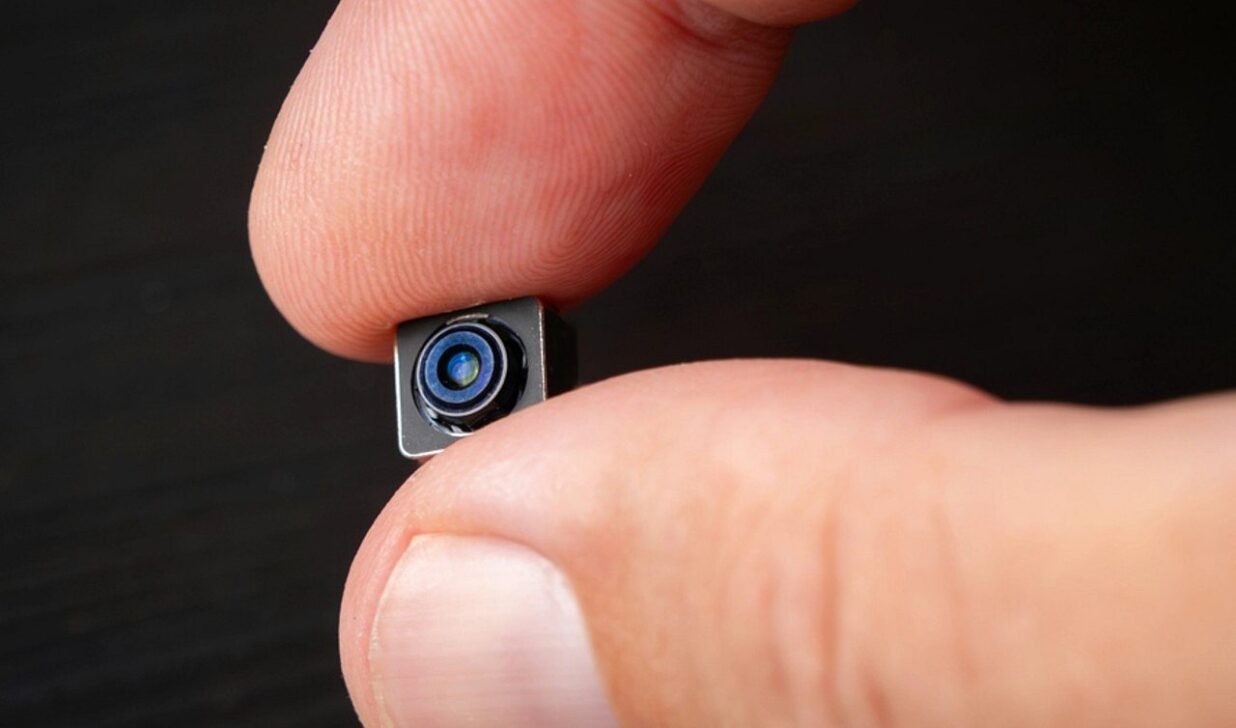
Engineers at the Korea Advanced Institute of Science and Technology built SweepLED, a $7 smartphone attachment that locates concealed camera lenses in under five seconds. The system registered a 94 percent detection rate during controlled bench experiments on mobile phones. This diagnostic accessory connects directly to commercial handsets to identify optical threats.
The component costs seven dollars. SweepLED runs deep learning models on the mobile device to process optical data.
Optical arrays separate glass reflections from everyday materials
By sweeping directional light across static surfaces from multiple coordinated angles, the mobile module records physical reflections so computational filters can pinpoint the minute optical distortions created exclusively by the internal curvature of miniature surveillance lenses. Highly reflective plastic surfaces, polished metals, and standard window glass shift or lose brightness uniformly throughout this controlled movement. The KAIST software tracks that dynamic optical reaction to prevent household furnishings from triggering false notifications on the handset. The algorithm verifies structural patterns before confirming any alert.
A brief video recording captures the suspect object under sequential illumination before transmitting the sequence to the neural network trained by the laboratory team. This computational screening eliminates false alarms produced by glossy decor, television remotes, and metallic doorknobs found throughout hospitality lodgings.
Bench evaluation measures detection speeds across thirty rental objects
Experimental procedures evaluated 30 distinct targets commonly situated across temporary rentals and hotel suites. The inspection scanned standard objects including electrical wall adapters and digital clocks without requiring expensive industrial hardware. Each individual target underwent a complete optical sweep in less than five seconds.
Comparative figures contrast mobile hardware with handheld scanners
- SweepLED benchmark at KAIST laboratory: 94 percent accuracy within five seconds per item.
- Commercial handheld detectors analyzed by University College London: 59 percent miss rate under human operation.
- Primary experimental sample size: 30 everyday household targets checked individually.
A separate assessment organized by University College London established that conventional handheld detectors caused human operators to overlook 59 percent of hidden spy units. The South Korean engineering effort removes this reliance on manual sight, which regularly confuses harmless background reflections with miniature cameras.
Association for Computing Machinery archives complete research files
Scientific documentation describing the hardware architecture forms part of the digital repository maintained by the Association for Computing Machinery. The publication contains the experimental records and validation methods established by the research group. Readers can consult the complete dataset within the archival database.
Investigators plan subsequent testing sessions involving variable distances, unstable ambient lighting, and complex interior furnishings outside lab environments. The SweepLED software displays potential threats on the smartphone screen and assigns physical verification to the guest.