XPENG’s Iron humanoid walks off factory line before mass output

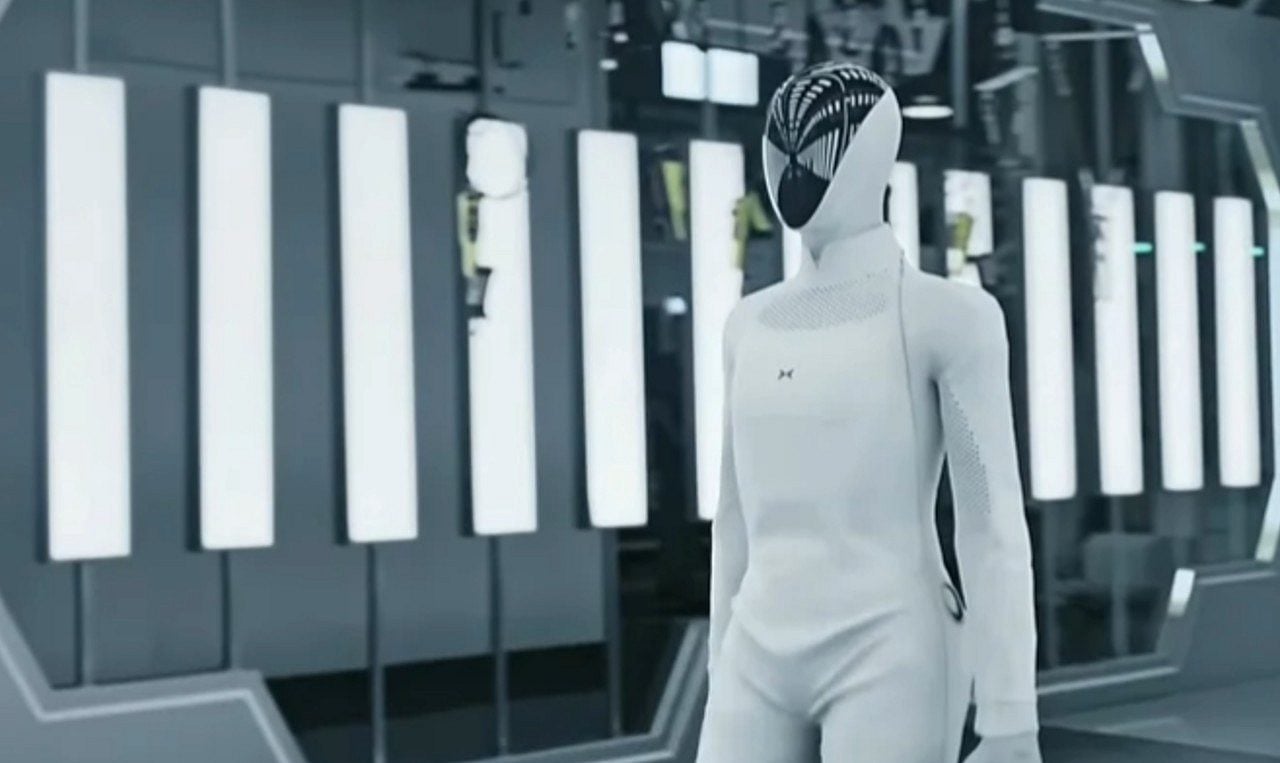
A humanoid robot named Iron walked away from its own assembly line moments after workers finished putting it together. Chinese electric vehicle maker XPENG says the machine moved on its own immediately once assembly wrapped up, a milestone the company ties directly to plans for mass production before the year closes. Chairman and CEO He Xiaopeng handed the robot an employee badge during the presentation, a gesture meant to underline the shift from prototype to workforce tool.
XPENG reports that more than 80 percent of core assembly processes now run automatically. The automaker says it applies the same quality-control systems used for its cars to its robotics line, aiming to keep output consistent as volume grows. “This is a small step today, but XPENG is building production lines for an entirely new product category,” He said during the September 7 announcement.
The walk made for a striking public demonstration, though it left open whether Iron could handle a full shift on a factory floor. XPENG did not disclose current output volumes on the line or how many trial runs preceded the showcase. The mass-production target remains fixed only at “later this year,” with no further breakdown of the internal timeline shared publicly.
Showrooms and company campuses will be Iron’s first assignment
A customer browsing an XPENG dealership could eventually run into Iron in person. The company had previously listed greeting visitors, guiding showroom tours and supporting sales staff among the robot’s intended duties. XPENG plans to deploy Iron first inside its own stores and campuses, with shipments to buyers in China and abroad slated for 2027. The announcement made no mention of U.S. availability or pricing.
XPENG states that Iron carries 76 degrees of freedom spread across its body and 21 in each hand, a figure that reflects how many independent movements the machine can perform. That range of articulation underpins both its walking gait and its ability to handle objects in spaces built for human use rather than machines.
Three Turing AI chips power the robot, together delivering up to 2,250 trillion operations per second. XPENG says this processing capacity lets Iron run its artificial intelligence model onboard, without relying on a remote operator for complex tasks. Handling data locally cuts down on lag, though the raw number alone does not prove the robot can cope with an unpredictable customer who strays from a rehearsed script.
The robot’s outer shell was engineered, according to the company, to be flexible and safe for close contact. That matters for a machine meant to interact with the public, yet the announcement included no independent safety assessment. Iron’s job description looks complete on paper, but its real-world performance still needs to be proven outside a scripted demo.
Tesla’s Optimus project keeps pace in the humanoid robot race
The comparison to Tesla comes up naturally. Both automakers want to carry their artificial intelligence and manufacturing expertise into robotics. Tesla has already announced converting Model S and Model X production lines to build its Optimus robot, and included large-scale production preparations in its second-quarter earnings report. It remains too early to call a winner between the two efforts.
- Figure reported building more than 350 units of its Figure 03 robot by April, with a demonstrated cycle of one unit per hour.
- Those units went toward internal uses such as development and data collection, not customer deliveries.
- BMW says an earlier Figure model, the Figure 02, inserted sheet-metal parts for welding at its Spartanburg plant.
A more realistic yardstick lies in what these robots manage once they leave the factory floor. The task BMW assigned to Figure 02 was specific and repetitive, far from assembling an entire car from scratch. Over ten months, the robot supported production of more than 30,000 units of the BMW X3, offering a rare look at sustained humanoid performance in an actual manufacturing setting.