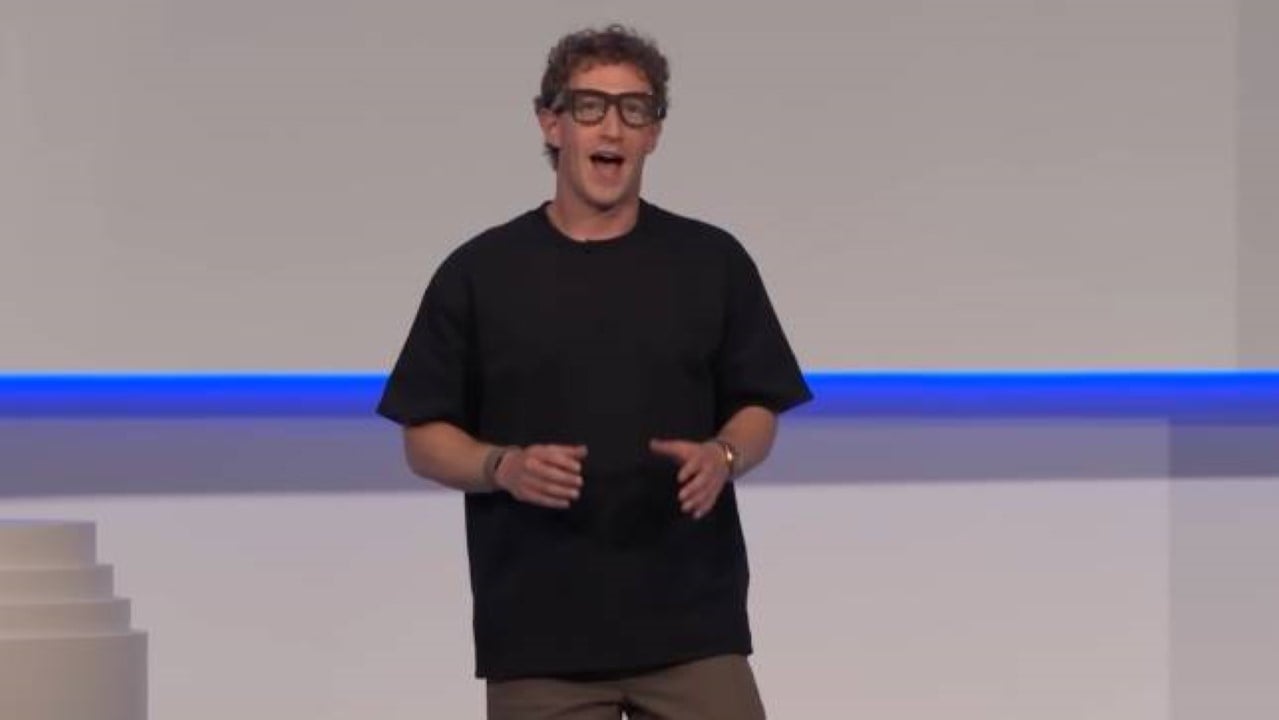
Meta’s standalone autonomous generative artificial intelligence assistant, Muse, surpassed 3.4 million downloads during its opening weeks of public release across the United States. This surge in consumer uptake helped propel a 25% monthly gain in the technology giant’s stock valuation throughout September 2026. The initial adoption demonstrates substantial public interest in software agents engineered to execute tasks directly on behalf of users rather than merely generating text responses.
Publicly introduced to the American market on September 8, 2026, the application differs substantially from traditional conversational interfaces that require manual intervention at every step. Muse operates with a notable degree of autonomy, navigating live web domains, completing digital forms, and processing multi-step requests end to end without needing real-time oversight for each interaction. Developers configured the agent to interpret high-level user intentions and translate them into a sequence of coordinated browser actions.
At the heart of the system is an isolated cloud-based execution framework designated as Muse Secure VM. This specialized environment includes its own persistent web browser, enabling tasks to continue progressing uninterrupted in the background even after a user closes the interface on a smartphone or personal workstation. Because the virtual computer maintains continuous cloud connectivity, automated operations do not drain mobile battery life or stall during standard connectivity drops.
Autonomous navigation workflows and built-in human authorization gates
Unlike standard chatbots restricted to text generation, the agent interacts directly with external web services and online portals. The software can plan multi-leg itineraries, manage calendar reservations, and negotiate bureaucratic procedures across various corporate websites without relying on custom code integrations. To protect accounts from unintentional actions or erroneous clicks, Meta instituted strict automated safeguards around financial checkout and external messaging.
Every money transfer, digital store transaction, and formal outgoing email remains paused until the account holder provides explicit manual confirmation. Meta highlighted this collaborative approach in an official corporate announcement, describing the product’s operational vision: “Give Muse a goal — like running your business or finding new customers — and it works to make it happen”. This verification layer ensures that the system cannot authorize final spending or broadcast sensitive communications without direct owner consent.
The transition toward autonomous agents has simultaneously sparked technical debates regarding data privacy and the security of information passed to cloud-based virtual environments. “The real question is trust,” noted Meredith Whalen, chief research officer at International Data Corporation (IDC), addressing the hesitation users often experience when delegating confidential tasks and financial credentials to automated programs. Industry evaluators emphasize that widespread acceptance of agentic platforms relies heavily on consistent error prevention and transparent data controls.
Architectural foundation and multi-platform service compatibility
Engineered atop the proprietary Muse Spark foundation model family, the platform is tuned for multimodal reasoning, automated tool invocation, and collaborative workflows across specialized sub-agents. The agent interacts with third-party software ecosystems through exposed application programming interfaces (APIs) or by directly navigating standard web interfaces when dedicated developer links do not exist. Meta structured the environment to support broad personal and workplace integrations across consumer hardware and mobile software.
- Supported operating environments: standard web browsers, iOS, and Android platforms
- Integrated payment processing: Stripe, with scheduled support for Shop Pay
- Core operational connectors: electronic mail, calendar schedules, home automation devices, music services, event platforms, and health trackers
- Open hardware architecture: ESP32 microcontroller firmware and Linux software development kits licensed under Apache 2.0
- Physical connectivity accessory: Muse Home Link dongle, distributed in an introductory batch of 5,000 hardware units
Mobile marketplace rankings and analyst projections for adoption
Just ten days after arriving on mobile platforms, Muse rose to the top of the free application rankings on the United States App Store. The core client remains free to download and covers everyday digital chores, while Meta offers premium subscription tiers designed for enterprise workloads and higher computing throughput. Rapid market interest established the platform among the fastest-growing utility software releases in recent consumer technology history.
See also: Mark Zuckerberg unveils $1,299 Meta VR Glasses in California
Evercore equity analyst Mark Mahaney projected that the autonomous agent could accumulate 100 million active users over a six-to-twelve-month timeline. The strong early performance led Meta chief executive Mark Zuckerberg to accelerate rollout roadmaps across both enterprise operations and specialized hardware accessories. Financial analysts view the rapid installation pace as validation for the company’s aggressive investments in specialized compute clusters and cloud infrastructure.
During the Connect 2026 conference held on September 23, 2026, Meta previewed the Muse Charm hardware prototype and outlined plans to incorporate the software agent into future smart eyewear collections. Shortly thereafter, on September 29, 2026, the company introduced Muse for Small Businesses, a specialized workplace edition intended to assist commercial enterprises with marketing campaigns, customer communication, and operations. That corporate rollout is managed by executive CJ Desai, whom Meta recently hired to direct its expanding commercial software portfolio.
Open-source developer repositories and availability across global territories
Meta subsequently expanded the platform into physical consumer electronics and community engineering initiatives. On Tuesday (6), the company made the source code for the Muse Gadgets framework publicly available under the Apache 2.0 license, supplying ESP32 microcontroller firmware alongside Linux development kits for third-party hardware creators. Releasing the core repositories encourages external developers to construct ambient voice products and screenless accessories powered by the agent.
Providing these technical blueprints allows independent builders to create dedicated desk units, voice badges, and smart home appliances that operate without smartphone displays. To seed early development, the technology company distributed an initial production run of 5,000 Muse Home Link dongles directly to active subscribers in the United States. These small physical units maintain local network connections and coordinate background commands with the cloud-based virtual machine.
Market analysis reports published on Wednesday (7) highlighted the tool’s sustained presence atop installation charts, while industry observers continue monitoring daily retention rates among first-time downloaders. Meta has not yet published an official global rollout calendar, and the company has not confirmed target launch dates or Brazilian real billing support for users in Brazil. Future regional deployments are expected to depend on local regulatory approvals and the completion of regionalized payment processor integrations.