The United States Social Security Administration (SSA) on Wednesday (14) officially raised the retirement earnings test exempt amounts for 2027, allowing seniors who work before reaching Full Retirement Age (FRA) to earn more without temporary reductions to their monthly checks. Beneficiaries who remain under their Full Retirement Age throughout the entire year will be able to earn up to $25,560 annually, while those reaching that age milestone during 2027 will have an upper limit of $67,920.
The threshold updates were announced alongside an automatic 3.6% cost-of-living adjustment (COLA) for 2027, which will add an average of $75 per month to retirement checks starting in January. “Social security will implement this cost-of-living adjustment for 76 million Americans, giving them greater financial stability,” said Frank J. Bisignano, Commissioner of the Social Security Administration.
How do the 2027 Social Security earnings test limits work?
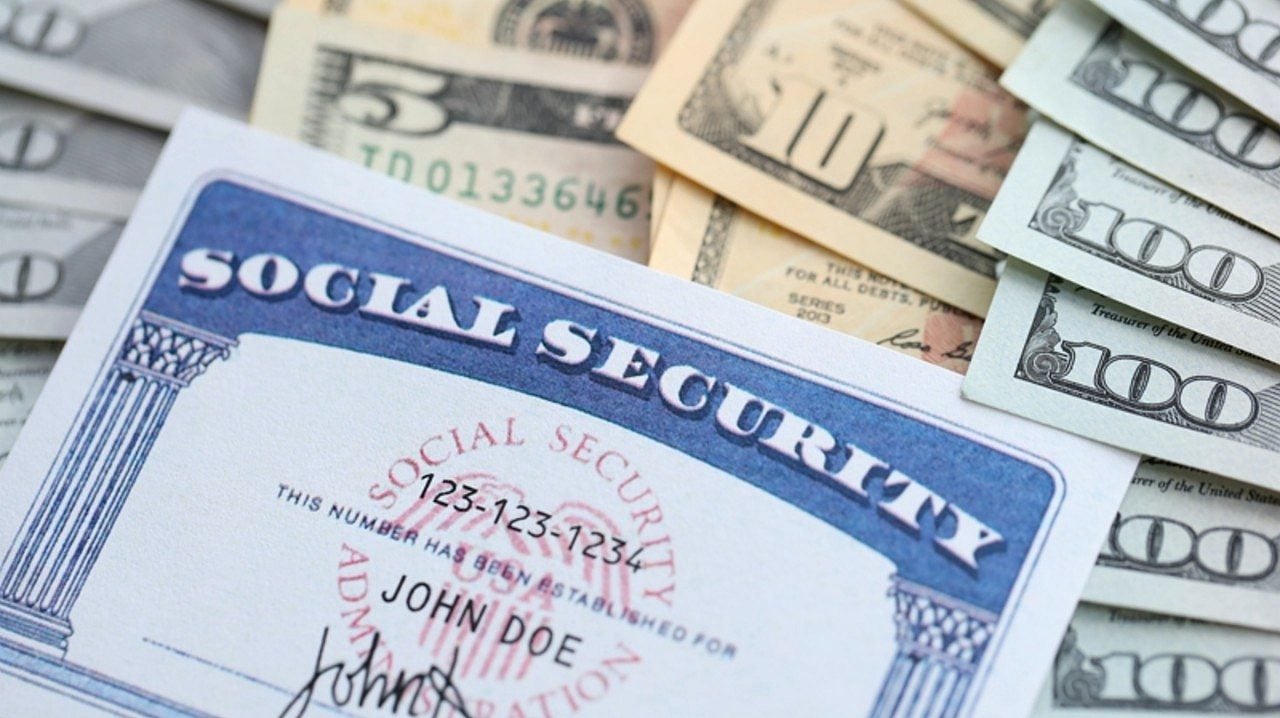
The retirement earnings test applies exclusivamente to people who collect Social Security retirement benefits while continuing to work for wages or self-employment income before reaching Full Retirement Age, which is 67 for anyone born in 1960 or later. If a worker’s annual income exceeds the federal exempt threshold, the agency temporarily withholds a portion of their monthly benefit payments until they reach the age milestone. Once the beneficiary turns their Full Retirement Age, the earnings cap disappears entirely, meaning retirees can earn any amount from a job starting in the month of their birthday without losing a dollar of their benefits.
For retirees who remain below their Full Retirement Age for all 12 months of 2027, the annual exempt limit will rise from $24,480 ($2,040 per month) in 2026 to $25,560 ($2,130 per month) in 2027. Under federal rules for this group, the Social Security Administration withholds $1 in benefits for every $2 in work earnings above the annual limit. For beneficiaries who will reach Full Retirement Age at some point during 2027, the limit will increase from $65,160 per year ($5,430 per month) in 2026 to $67,920 per year ($5,660 per month) in 2027, with $1 withheld for every $3 earned above the cap during the months prior to their birthday month.
Money withheld from monthly checks due to the earnings test is not permanently lost to the federal government. When a working beneficiary officially reaches Full Retirement Age, the Social Security Administration recalculates their payment formula and increases their ongoing monthly benefit to compensate for the months in which benefits were reduced or completely withheld. The exact size of this upward recalculation depends on how much money was held back in previous years.
Read also: Social Security schedules 3 payments in October 2026 for dual recipients
2027 Social Security payment figures and tax thresholds
Beyond the rules for working retirees, the federal update delivered on October 14, 2026, adjusts several core financial thresholds across the program, including payroll tax caps and disability income rules.
- Average monthly retirement benefit: rises by about $75, from $2,095 in 2026 to $2,170 in 2027.
- Maximum monthly benefit at Full Retirement Age: increases from $4,152 per month in 2026 to $4,188 per month in 2027.
- Taxable maximum earnings cap (OASDI): wages subject to the Social Security payroll tax rise from $184,500 in 2026 to $192,300 in 2027.
- Substantial Gainful Activity (SGA) limit for Social Security Disability Insurance (SSDI): increases for non-blind beneficiaries from $1,690 per month in 2026 to $1,770 per month in 2027, and for blind beneficiaries from $2,830 to $2,950 per month.
Historical comparison of the 3.6% Social Security COLA
The 3.6% cost-of-living adjustment set for 2027 marks the largest annual percentage boost awarded to American beneficiaries since 2023, when post-pandemic inflation pushed the adjustment to 8.7%. In the years following that peak, the annual increase settled at 3.2% in 2024, dropped to 2.5% in 2025, and stood at 2.8% in 2026, which added an average of roughly $56 per month to retiree checks. By law, the Social Security Administration calculates the annual COLA using the year-over-year percentage change in the Consumer Price Index for Urban Wage Earners and Clerical Workers (CPI-W) from the third quarter of 2025 through the third quarter of 2026, whereas the earnings test limits are indexed to the national average wage index.
Follow: Social Security COLA for 2027 is projected to reach up to 3.6%
Advocacy groups noted that higher checks still face pressure from everyday living costs. Shannon Benton, executive director of the senior advocacy group The Senior Citizens League, evaluated the impact of the upcoming rate on household budgets. “While a 3.6% COLA is certainly welcome, it wouldn’t necessarily restore the purchasing power seniors have already lost,” Benton said.
Budget planning and payment calendar for Social Security beneficiaries in 2027
Working seniors who expect their job income to exceed the $25,560 or $67,920 limits in 2027 may have full months of benefits withheld until their earnings test balance is cleared. Certified financial planner (CFP) Kailey Hagen noted that affected retirees should adjust their household budgets in advance to rely more heavily on personal savings or employment wages during the months when checks are reduced. Conversely, workers turning their Full Retirement Age in 2027 can contact the Social Security Administration to verify how their monthly payments will rise once the earnings test stops applying and prior withholdings are credited back.
While promotional advertisements circulating online frequently reference a “$23,760 Social Security bonus” or a secret payout exceeding $20,000 for retirees, those figures are commercial subscription teasers rather than an official benefit announced by the United States government. The official federal calendar sets the first increased payments for roughly 7.3 million Supplemental Security Income (SSI) recipients to begin on Thursday, December 31, 2026, followed by the implementation of the new earnings test limits and the 3.6% adjustment for approximately 72 million Social Security beneficiaries on Friday, January 1, 2027.