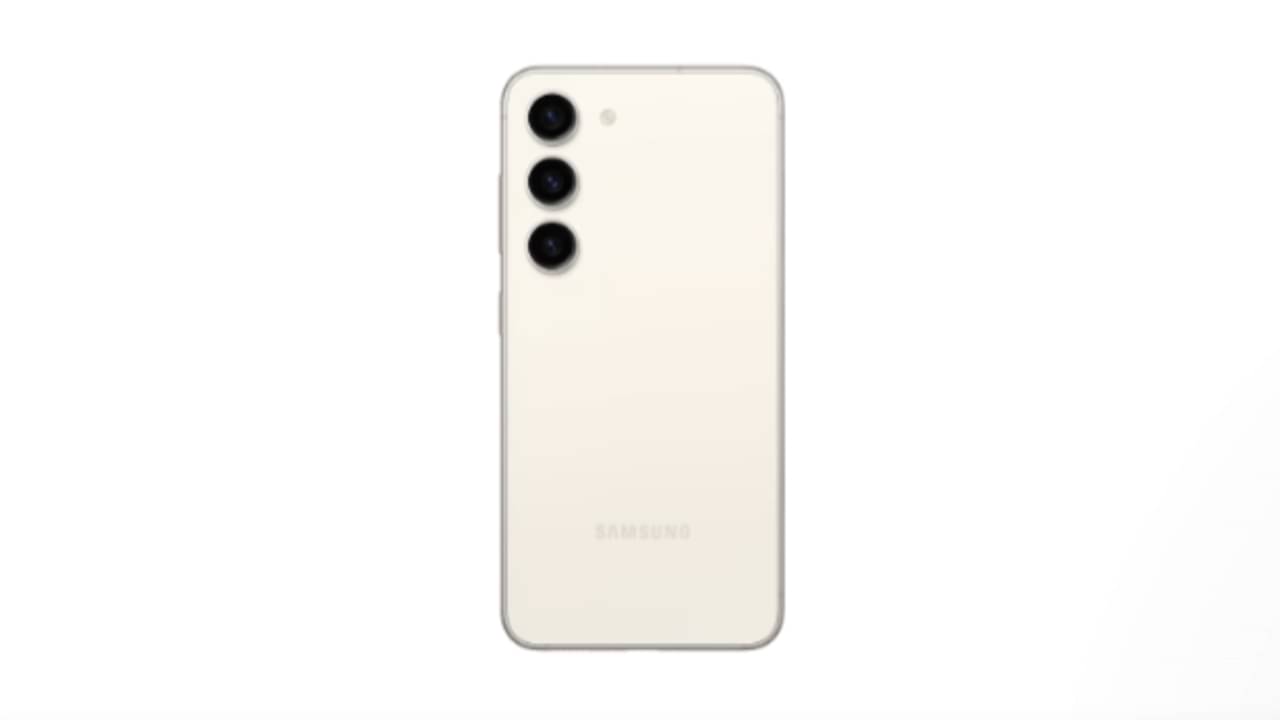
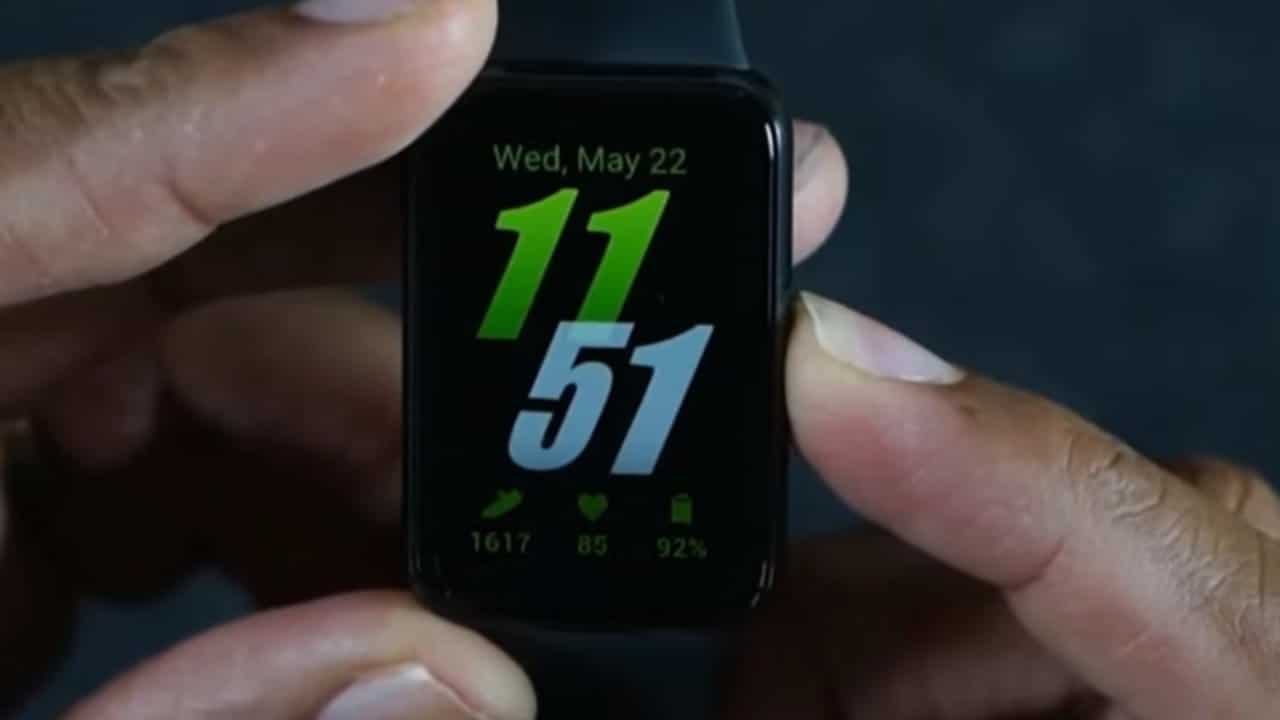
Three-dimensional renders and 360-degree videos released on Thursday (22) exposed the full exterior of the upcoming Samsung Galaxy Fit 4. The leaked visual assets show that the wearable will be offered in three colorways — black, white, and a soft light blue shade — while keeping the exact physical footprint of its predecessor, the Galaxy Fit 3.
A user affiliated with the technology channel TheCipherProject located and shared the visual material on a messaging application, displaying every angle of the device that first appeared in preliminary filings on August 4, 2026. In the footage, the black version pairs its band with a dark gray frame, whereas the white and light blue options feature silver-colored casings, replacing the Pink Gold finish from the previous generation. The lack of noticeable changes to the outer shell stood out in the evaluation of the leak: “In fact, based on the images we obtained, it is hard to notice any obvious difference,” the analysis stated.
Exterior build and strap materials carried over from the 2024 generation
Detailed inspection of the three-dimensional renders indicates that Samsung chose not to overhaul the external casing of its entry-level activity tracker, repeating the structural layout introduced in February 2024. The main body keeps the elongated rectangular display with rounded corners and slim bezels, set inside a curved metallic frame that houses a single physical control button on the right edge.
Along the underside of the chassis, the internal layout remains identical to the previous band. The wearable places its optical sensor array inside a central pill-shaped module, flanked by two metal pins built for the magnetic charger. The strap shown in the recordings is made of silicone and fluoroelastomer, a high-resistance synthetic rubber, equipped with sizing holes, a standard buckle, and a quick-release button for swapping bands.
FCC and SIRIM regulatory documents outline SM-R391 hardware
Beyond the three-dimensional imagery, the existence of the tracker is backed by technical filings issued by the Federal Communications Commission (FCC), the United States telecommunications regulator, and the Standard and Industrial Research Institute of Malaysia (SIRIM). The smartband has also appeared in listings from the Bluetooth SIG and the Bureau of Indian Standards (BIS), with battery components supplied by EVE Energy. Across those regulatory documents, the South Korean manufacturer’s device is registered for commercial operation with specific hardware components and limitations:
- Internal development codename: FIT4;
- Official model identifier: SM-R391;
- Health tracking module: Goodix GH3036 optical sensor, a component engineered to measure real-time heart rate and sleep metrics with low power consumption;
- Wireless connectivity standard: verified support for Bluetooth Low Energy (BLE, designed to preserve battery life), with regulatory filings pointing to an upgrade from version 5.3 to Bluetooth 5.4;
- Omitted features: the band lacks an NFC chip for contactless payments and has no built-in GPS antenna, requiring a constant connection to a smartphone to map outdoor routes.
Reference pricing and competition against Google’s latest Fitbit bands
Development of Samsung’s upcoming band takes place during a wave of product refreshes and stiffer competition in the international budget fitness tracker market. Google expanded its wearable lineup with the launch of two direct rivals to the South Korean series: the Fitbit Air, which carries a suggested retail price of $99, and the Fitbit Edge, which arrives in stores at $179.
To counter those rival releases, technology industry expectations point to the manufacturer keeping the aggressive pricing strategy used on the prior model. In February 2024, the Galaxy Fit 3 debuted on the global market at a starting price of $60 in the United States and £59 in the United Kingdom, a price bracket that serves as the commercial benchmark for the SM-R391.
Samsung’s manufacturing footprint and unconfirmed launch schedule
Founded in 1936 by Lee Byung-chul, the South Korean multinational Samsung entered the electronics industry in 1969 and released its first Galaxy smartphone line in 2009. In Brazil, the company established its local manufacturing facilities roughly five years after creating its MP3 player phone in 1999, setting up domestic production lines for mobile phones, monitors, and printers alongside local technical support services.
As of October 23, 2026, Samsung has not officially confirmed the development, complete technical sheet, final retail price, or release calendar for the Galaxy Fit 4 in international markets. Industry projections suggesting that the smartband will be unveiled to the public in December 2026, potentially during the same announcement event as the Galaxy A38 smartphone, rely strictly on unofficial market rumors.