British Airways and Air France halt Dubai flights after U.S. strikes in Iran

Tensions in the Middle East escalated rapidly after U.S. airstrikes on Iran’s nuclear facilities, prompting airlines like British Airways and Air France to cancel flights to Dubai and other regional cities, such as Doha and Riyadh, between June 22 and 24, 2025. The suspensions, announced due to safety concerns, affected thousands of passengers now seeking rebookings or refunds. The decisions followed airstrikes that intensified the regional conflict, with Iran vowing retaliation. The airlines are monitoring the situation in real time, while others, like Emirates and Qatar Airways, adjust operations. The geopolitical instability also disrupted global routes, with detours to avoid airspace over Iran, Iraq, and Syria.
The severity of the situation led airlines to prioritize passenger and crew safety. The flight suspensions, initially set until June 24, may extend depending on conflict developments. Passengers with bookings for Dubai, Doha, and Riyadh face uncertainty, with options for free rebooking or full refunds offered by the airlines.

The impacts extend beyond European carriers. Other airlines, like Singapore Airlines and Flydubai, also halted routes, while Emirates maintains Brazil-Dubai flights but restricts connections to Iran and Iraq. Below are key points about the changes:
- British Airways canceled all London-Dubai flights on Sunday (22) and flight BA0107 on Monday (23).
- Air France suspended Dubai and Riyadh flights until June 24, with free rebookings until June 29.
- Qatar Airways and Turkish Airlines recommend constant booking monitoring.
- Brazilian airlines, like Gol, Latam, and Azul, do not operate in the region and were unaffected.
Commercial aviation faces an uncertain scenario, with Middle Eastern airspace nearly empty of commercial traffic since the attacks began, according to Flightradar24 data.
Airline responses
British Airways, one of the main airlines affected, announced that Dubai and Doha flights should resume normal operations from June 24, but the situation remains under review. The airline stated that cancellations were a precautionary measure, prioritizing operational safety. Customers with bookings until Tuesday (24) can reschedule without additional costs for dates until July 6. The airline provided phone and online support channels for rebookings, though passenger reports indicate difficulties accessing support due to high demand.
Air France emphasized that its decision to suspend Dubai and Riyadh flights reflects its commitment to safety. The French airline monitors the geopolitical situation in real time, adjusting routes to avoid risk areas. Affected passengers received notifications via email or SMS, with instructions to access the official website or contact travel agencies.
Other airlines, like Singapore Airlines, canceled Dubai flights until June 24 after safety assessments. Air Astana, from Kazakhstan, also suspended operations to the city on Monday (23). Emirates, operating direct Brazil-Dubai flights, stated that its Dubai operations remain normal but halted routes to Tehran, Baghdad, and Basra until June 30.
Geopolitical landscape and aviation
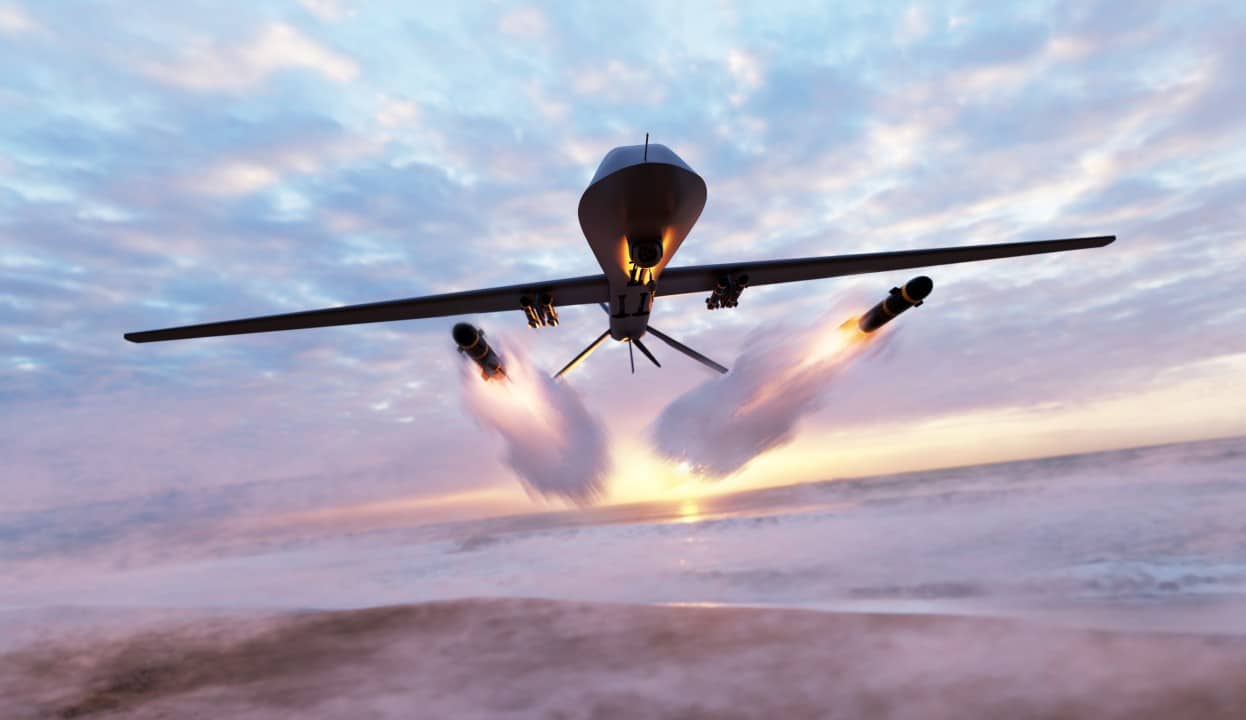
The U.S. airstrikes, targeting Iranian nuclear facilities, marked a new phase in the Middle East conflict. Launched on June 13, the attacks intensified over the weekend, with Israel also conducting operations against strategic targets in Iran. Tehran’s vow to retaliate heightened the risk of military escalation, directly impacting the aviation sector.
Airspace over Iran, Iraq, and Syria was closed to commercial aviation, forcing airlines to reroute flights via alternative paths, such as the Caspian Sea to the north or Egypt and Saudi Arabia to the south. These changes increased flight times and operational costs, particularly for Europe-Asia routes reliant on the Middle East as an air corridor.
The situation is worsened by the closure of Russian and Ukrainian airspace due to ongoing conflicts, making the Middle East a critical route. Data from the International Air Transport Association (IATA) indicates that route changes could raise fuel costs by up to 15%, pressuring airline margins.
Passenger impacts
Thousands of passengers face disruptions from the cancellations. Social media reports highlight long queues at airports in London, Paris, and Dubai, plus challenges in obtaining clear information. Many travelers, especially those with Middle East connections, had to reorganize itineraries, incurring additional costs for accommodations and transport.
Airlines offered flexible policies to mitigate disruptions:
- Free rebooking for flights until July 6 (British Airways) or June 29 (Air France).
- Full refunds or vouchers for future travel.
- Guidance to check flight status on official websites before heading to airports.
- Boarding restrictions for connections to Iran and Iraq (Emirates and Flydubai).
Despite these measures, uncertainty about the duration of cancellations concerns travelers. Passengers with flights scheduled for the coming weeks are advised to monitor updates daily.
Other airlines and operational adjustments
Qatar Airways, a major Gulf operator, stated it is adjusting flight schedules, with possible advancements on some routes. The airline temporarily suspended flights to Iran, Iraq, and Syria but did not detail cancellations for Dubai or Doha. Turkish Airlines and Ethiopian Airlines issued statements urging customers to check booking statuses, without specifying affected routes.
Flydubai, operating regional flights and Emirates connections, suspended operations to Iran, Iraq, Israel, Syria, and St. Petersburg until late June. The airline warned that other flights may face delays or route changes, particularly at Dubai International Airport (DXB).
Alternative routes and costs
Airspace changes forced airlines to adopt longer routes, impacting flight times and operational costs. Europe-Asia flights, typically passing through the Middle East, now take alternative paths, increasing fuel consumption. Industry experts note that routes via the Caspian Sea or southern Saudi Arabia can add up to two hours to some trips.
For airlines, rising costs pose an additional challenge in a sector already facing tight margins. The IATA estimates that route changes could cost global airlines billions in 2025 if the situation persists.
Real-time monitoring
Airlines maintain dedicated teams to monitor the geopolitical situation. Tools like Flightradar24 and internal tracking systems enable rapid route adjustments, but the conflict’s unpredictability complicates long-term forecasts. Air France, for instance, highlighted that its decisions align with international aviation regulations, based on continuous safety assessments.
Emirates recommended that passengers regularly check www.emirates.com. The airline also reinforced that customers with connections to Iran and Iraq will not be boarded until further notice, a measure to avoid complications in connecting flights.
Outlook for the aviation sector
Commercial aviation faces a delicate moment, with the Middle East as a critical hub for global routes. The suspension of flights to Dubai, Doha, and Riyadh reflects airline caution amid a potentially prolonged conflict. The IATA warned that regional instability could have lasting effects on the sector, especially if airspace remains restricted.
Brazilian airlines, like Gol, Latam, and Azul, remain unaffected, as they do not operate in the Middle East. However, Brazilian passengers using Dubai as a hub for Asia or Europe may face delays or rebookings, particularly on Emirates flights.
Enhanced security measures
Operational safety is the airlines’ priority. Beyond cancellations, companies strengthened monitoring and communication protocols with aviation authorities. British Airways, for example, noted that its teams work 24/7 to assess risks and ensure flight safety.
Air France reiterated that its aircraft avoid conflict zones, using alternative routes validated by international bodies. Qatar Airways stated it strictly complies with aviation regulations to ensure safe routes.
Planning for the coming days
Airlines plan to resume normal operations as soon as conditions allow, but the lack of clarity on the conflict’s next steps keeps the sector on alert. Passengers are advised to regularly check flight statuses and contact airlines for clarifications.
Emirates, operating daily Brazil-Dubai flights, confirmed its schedule but with ongoing monitoring. The airline emphasized that any changes will be communicated in advance, prioritizing passenger convenience.