Bananal: Horse’s legs are severed by a machete during horseback riding; 21-year-old suspect confesses to cruel act
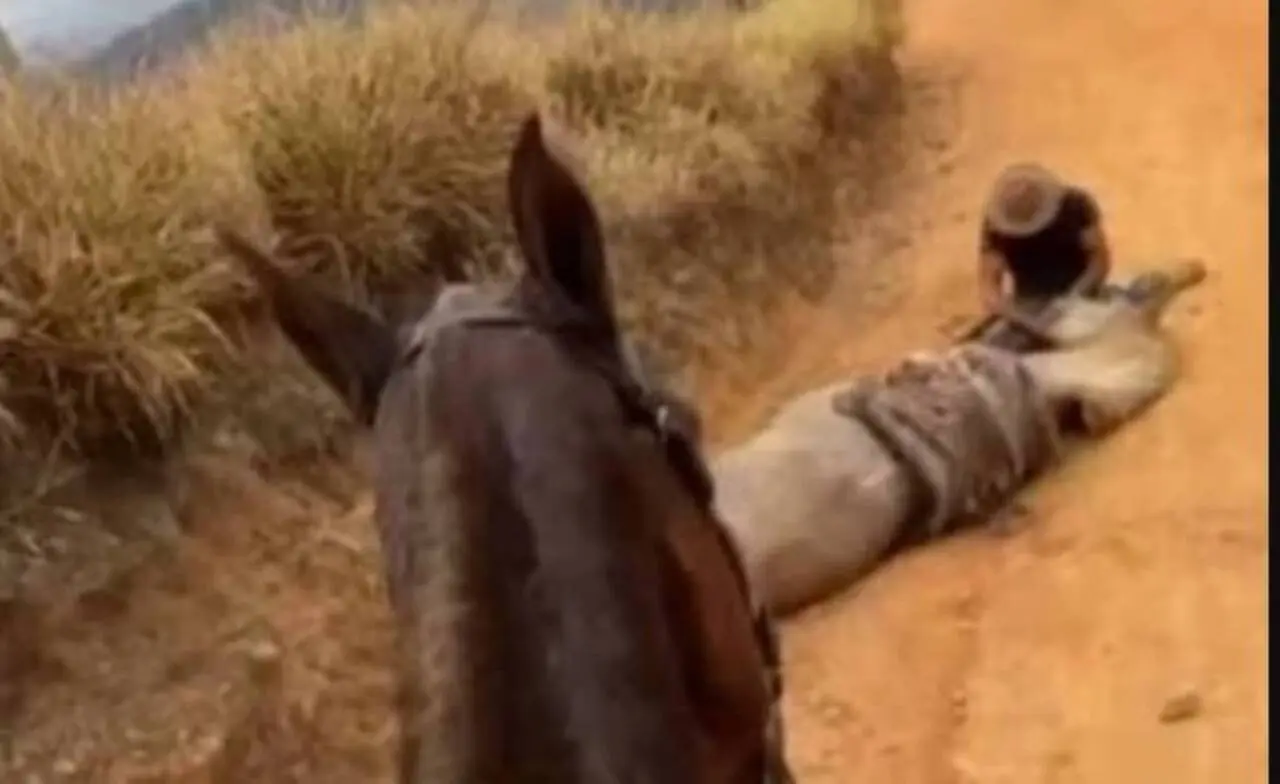
A shocking case of animal cruelty stunned the city of Bananal, in São Paulo’s interior, on Saturday, August 16, 2025. During a ride in the rural area, a 21-year-old named Andrey Guilherme Nogueira de Queiroz mutilated a white horse’s legs with a machete, leading to the animal’s death. The Civil Police are investigating the case as an environmental crime, while the public and celebrities, such as singer Ana Castela and activist Luísa Mell, express outrage on social media. The suspect claims he was intoxicated and believed the horse was already dead, but the investigation is ongoing to clarify the circumstances. The incident, recorded in the Serra do Guaraná Quente, has reignited debates about animal protection and penalties for cruelty in Brazil.
The incident occurred during a 15-kilometer ride without veterinary oversight, drawing criticism from activists. The horse, ridden by Andrey for the first time, showed signs of exhaustion, collapsed, and reportedly struggled to breathe. Andrey then mutilated the animal, later claiming he thought it was dead.
- Incident details: The ride took place in Bananal’s rural area, near the Rio de Janeiro border.
- Involved parties: Andrey Guilherme, 21, and Dalton Oliveira, a witness who recorded the video.
- Public reaction: The cruel act’s footage went viral, sparking nationwide protests.
- Investigation: Civil and Environmental Police are probing, with ongoing forensic analysis.
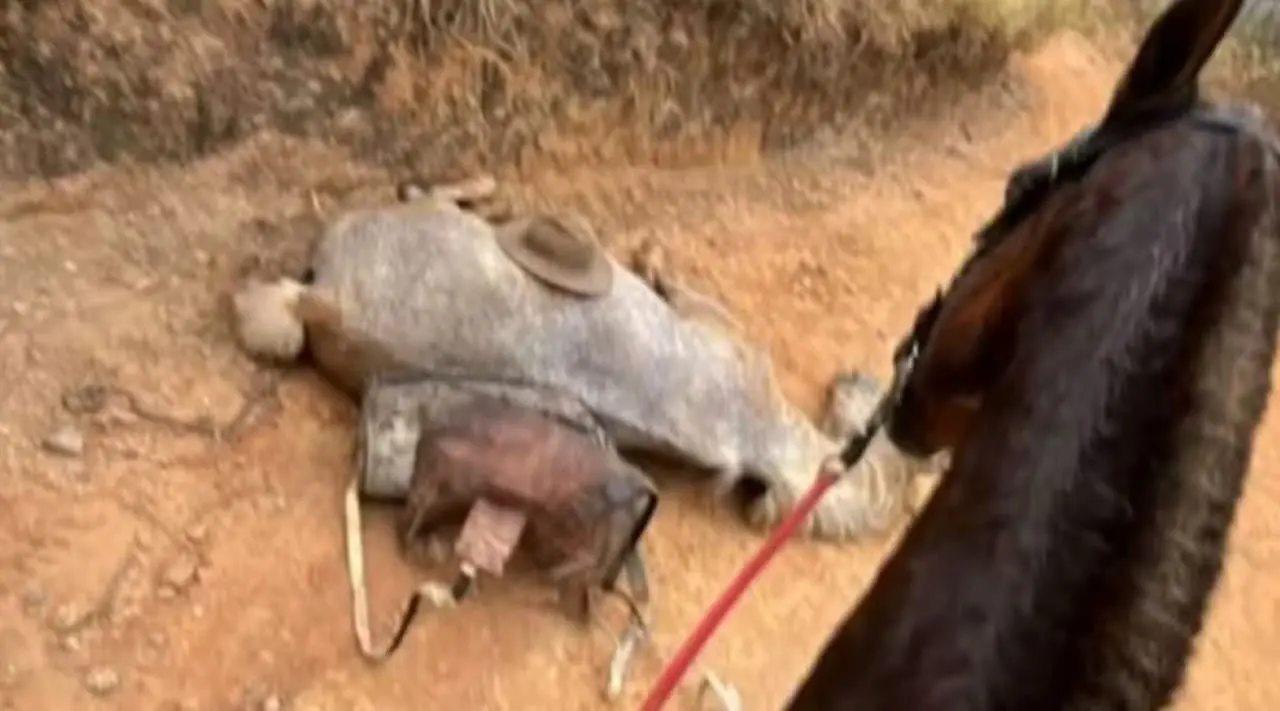
Public outrage intensified after a video, recorded by Dalton Oliveira, who accompanied Andrey, spread online. In the footage, the young man warns his friend, “If you have a heart, don’t look,” before striking the horse with a machete. The video’s viral spread prompted swift action from authorities.
Public reaction and mobilization
The video’s release triggered a strong societal response. Activists, celebrities, and Bananal residents united to demand justice. Singer Ana Castela, with over 16 million social media followers, labeled the act “cowardly” and called for greater attention to the case. Activist Luísa Mell denounced the cruelty, branding the perpetrator a “monster” and demanding strict punishment. Actress Paolla Oliveira echoed the sentiment, amplifying Mell’s posts.
The public movement gained traction with the hashtag #JusticeForTheHorse, becoming a trending topic online. Animal rights groups organized virtual protests and are planning in-person demonstrations in Bananal and nearby cities to push for stronger animal protection laws.
- Ana Castela’s reaction: Posted a video demanding justice and public engagement.
- Luísa Mell’s statement: Condemned the cruelty and urged pressure on authorities.
- Paolla Oliveira’s support: Amplified Mell’s posts to denounce the act.
- Planned protests: Activists organize events to demand punishment and legal reforms.
Bananal’s City Hall issued a statement condemning the act and confirmed it notified the Civil and Environmental Police upon learning of the incident. The municipal administration emphasized its commitment to animal welfare and vowed to ensure accountability.
Ongoing investigation
The Bananal Civil Police registered the case as animal abuse with an aggravating factor due to the horse’s death, under Brazil’s Environmental Crimes Law (Law No. 9,605/1998). Andrey and witness Dalton Oliveira were questioned on Monday, August 18, and released after giving statements. The investigation aims to determine if the horse was alive during the mutilation, which could increase the suspect’s penalty.
An initial forensic examination by a veterinarian on Tuesday, August 19, was inconclusive due to the body’s position. A new forensic team was dispatched to the site on Wednesday, August 20, to gather further evidence. The Environmental Police issued a R$6,000 administrative fine to the horse’s owner, but criminal penalties await the investigation’s outcome.
- Case registration: Animal abuse with death aggravation, per police report.
- Initial forensic exam: Conducted on August 19, with inconclusive results.
- New forensic exam: Scheduled for August 20 to determine the cause of death.
- Applied fine: R$6,000, imposed by the Environmental Police on the owner.
In an interview with TV Vanguarda, Andrey admitted to the act but claimed he was intoxicated and in a “disturbed state.” He expressed regret, denying the horse was alive during the mutilation. The police, however, are cross-referencing statements and footage to establish the timeline.
Penalties under the law
Brazil’s Environmental Crimes Law stipulates that animal cruelty, such as injuring or mutilating, carries a penalty of three months to one year of detention, plus a fine. If the animal dies, the penalty can increase by one-sixth to one-third, potentially reaching one year and four months. The use of cruel methods, like a machete, may further aggravate the sentence, considering the crime’s severity and the suspect’s background.
Beyond criminal penalties, the suspect may face administrative sanctions, including additional fines, seizure of other animals under his care, and suspension of related activities. The Bananal case has reignited discussions about the need for stricter animal cruelty laws, with activists arguing that current penalties fail to deter such acts.
- Base penalty: Three months to one year of detention for cruelty.
- Death aggravation: Penalty increase by one-sixth to one-third.
- Cruel methods: May heighten the sentence’s severity.
- Administrative sanctions: Fines, animal seizure, and activity suspension.
State Deputy Dilmar Dal Bosco, a horse breeder, condemned the act as an “affront to dignity” and advocated for legislative changes to toughen penalties. He noted that cases like this highlight weaknesses in Brazil’s animal protection laws.
Ride context and negligence
The incident occurred during a ride in the Sertão do Hortelã, a rural area of Bananal near the Rio de Janeiro border. The event, lacking veterinary oversight, raised concerns about inadequate supervision in activities involving animals. Reports indicate the horse showed clear signs of exhaustion before collapsing, suggesting negligence by the rider, who neither halted the ride nor sought veterinary assistance.
The absence of proper care during long rides, especially in rugged terrains like Serra do Guaraná Quente, is a recurring issue, according to experts. Activists criticize the lack of regulation for such events, which often subject animals to extreme conditions without professional supervision.
- Incident location: Sertão do Hortelã, rural Bananal.
- Lack of oversight: Ride conducted without veterinary supervision.
- Exhaustion signs: Horse showed fatigue before collapsing.
- Activist criticism: No regulation for animal-involved events.
Andrey’s mother, Andreia, defended her son in a social media video, claiming the horse was his favorite and that he panicked after its death. She said the mutilation was to facilitate body removal, but the explanation failed to convince most online users, who continued demanding justice.
Social impact and legislative debates
The Bananal case sparked nationwide mobilization, drawing parallels to other cruelty cases, like the 2018 Manchinha incident, which spurred legal changes. Public pressure and celebrity visibility have intensified calls for thorough investigations and reforms in animal protection laws. Advocacy groups are planning actions to raise awareness and push for stricter policies.
The outrage also underscored the importance of reporting channels for animal cruelty. The Federal Public Ministry and state ombudsmen offer platforms for complaints, often anonymously, while the 190 emergency line can be used for urgent cases. Raising awareness about these channels is seen as critical to combating animal violence.
- Reporting channels: Federal Public Ministry and 190 emergency line.
- Similar cases: Manchinha’s 2018 case drove legal changes.
- Nationwide mobilization: Virtual and in-person protests planned.
- Legislative proposals: Activists demand tougher cruelty laws.
The investigation continues, with the case being forwarded to the Public Ministry for potential formal charges. Civil society remains vigilant, pressing to ensure the case doesn’t fade from public attention, reinforcing the fight for justice and animal protection in Brazil.