Trump’s Address: President Denies Death Rumors and Criticizes Social Media at White House Event
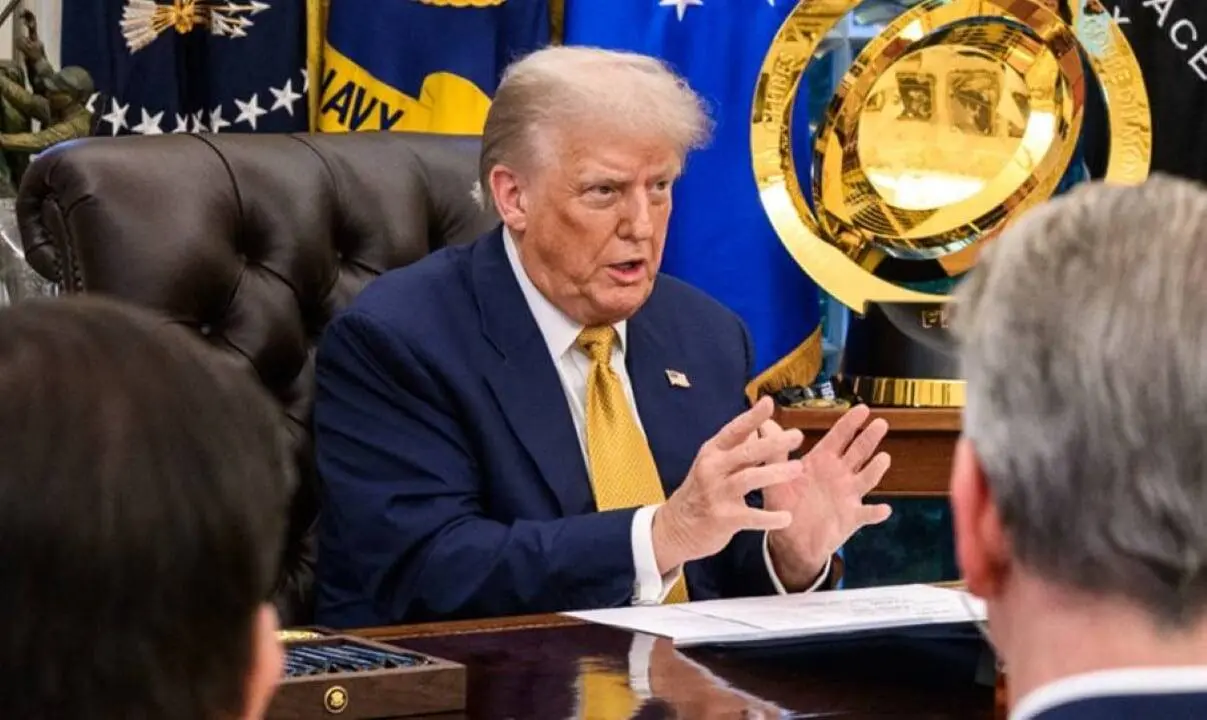
On Tuesday, September 2, 2025, U.S. President Donald Trump reappeared publicly at a White House Oval Office event, where he announced the relocation of the U.S. Space Force headquarters to Huntsville, Alabama. During the speech, he firmly denied rumors about his death and health issues that spread on social media over the Labor Day holiday weekend, celebrated on September 1. The speculations arose due to Trump’s absence from public appearances for seven days, an unusual occurrence during his presidency, and were fueled by images of a bruise on his right hand linked to a diagnosis of chronic venous insufficiency. Trump labeled the rumors “fake news” and criticized the media’s credibility, though the claims originated largely from social media users. His appearance, alongside Vice President JD Vance, aimed to quash conspiracy theories.
Trump’s absence from the spotlight, combined with an empty official schedule, sparked an online frenzy. Users on platforms like X and Truth Social pointed to the flag at half-mast at the White House as supposed evidence of mourning, but the measure was ordered in honor of victims of a Minneapolis shooting.
- Key factors behind the rumors:
- No public appearances since August 26.
- Empty official schedule during the holiday weekend.
- Visible bruise on Trump’s hand, linked to health concerns.
Origin of social media rumors
Rumors about Donald Trump’s health began circulating in the early hours of August 30, when social media users noticed the suspension of his official schedule. The lack of public statements since the previous Tuesday, August 26, and a photo showing a bruise on his right hand intensified speculation. Some users compared the bruise to signs observed in public figures before their deaths, such as Queen Elizabeth II in 2022, though without medical evidence. The flag at half-mast at the White House, ordered by Trump for victims of a Minneapolis attack, was misinterpreted as a sign of his death.
Social media platforms, particularly X, saw a surge in searches for terms like “Trump died” and “Where is Trump?”, which topped trending topics in Brazil and the U.S. Google Trends data showed a 1000% spike in Trump-related searches within 11 hours. Despite the global reach of the rumors, no official source or reputable news outlet corroborated the claims, which relied on assumptions and conflicting information.
Trump and White House response
During the September 2 event, Trump seized the opportunity to address the rumors directly. He claimed to have had a “very active weekend,” despite no press briefings, and highlighted private activities, such as golfing at his Virginia club. Trump also used his Truth Social platform to post emphatic messages, like “Never felt better in my life,” accompanied by criticism of the media and rumor spreaders.
White House Press Secretary Karoline Leavitt reinforced Trump’s stance, stating the president is “perfectly fine and full of energy.” She attributed the speculations to “Democratic activists and left-wing lunatics,” suggesting political motives. The White House clarified that the bruise on Trump’s hand, visible in recent events, resulted from skin irritation due to frequent handshakes and aspirin use, linked to his chronic venous insufficiency diagnosed in July 2025.
- Official statements on Trump’s health:
- Chronic venous insufficiency diagnosis in July 2025.
- Bruises attributed to handshakes and aspirin use.
- White House denies serious health complications.
- Vice President JD Vance says Trump is “active and energetic.”
Trump’s health context
Trump’s health has been a recurring topic since July, when the White House confirmed his chronic venous insufficiency, a common condition in people over 70 that causes leg swelling and hand bruises. Although an April 2025 medical report described Trump as “in excellent cognitive and physical health,” visible marks on his right hand sparked speculation. In prior events, Trump tried concealing the bruises with makeup, but their exposure on August 25 fueled online chatter.
Dr. Sean Barbarella, consulted by the White House, stated the bruises are consistent with soft tissue irritation and do not indicate serious issues like deep vein thrombosis. Despite this, Trump’s prolonged absence from public events, unusual for a president known for constant media presence, fed conspiracy theories. The White House emphasized that Trump’s condition does not impair his ability to lead, and allies like Vice President JD Vance reiterated his active routine.
Impact of rumors on social media
The spread of rumors about Trump’s death highlights the power of social media to amplify unverified information. Platforms like X and BlueSky saw heated debates, with hashtags like #TrumpDied and #WhiteHouse reaching millions of views. The White House’s lack of immediate statements during the holiday weekend created an information vacuum, allowing speculation to gain traction.
Political polarization in the U.S. further fueled the rumors. Anonymous accounts and conspiracy influencers suggested, without evidence, that Trump’s absence might be tied to national security issues or a covered-up health crisis. Trump’s swift response, through public appearances and social media posts, was strategic to mitigate the political fallout, which could undermine confidence among his supporters.
- Factors amplifying the rumors:
- Political polarization and distrust in institutions.
- Lack of official statements during the holiday.
- Viral spread of images of Trump’s bruises.
- Social media’s role in spreading conspiracy theories.
Trump’s activities during the holiday
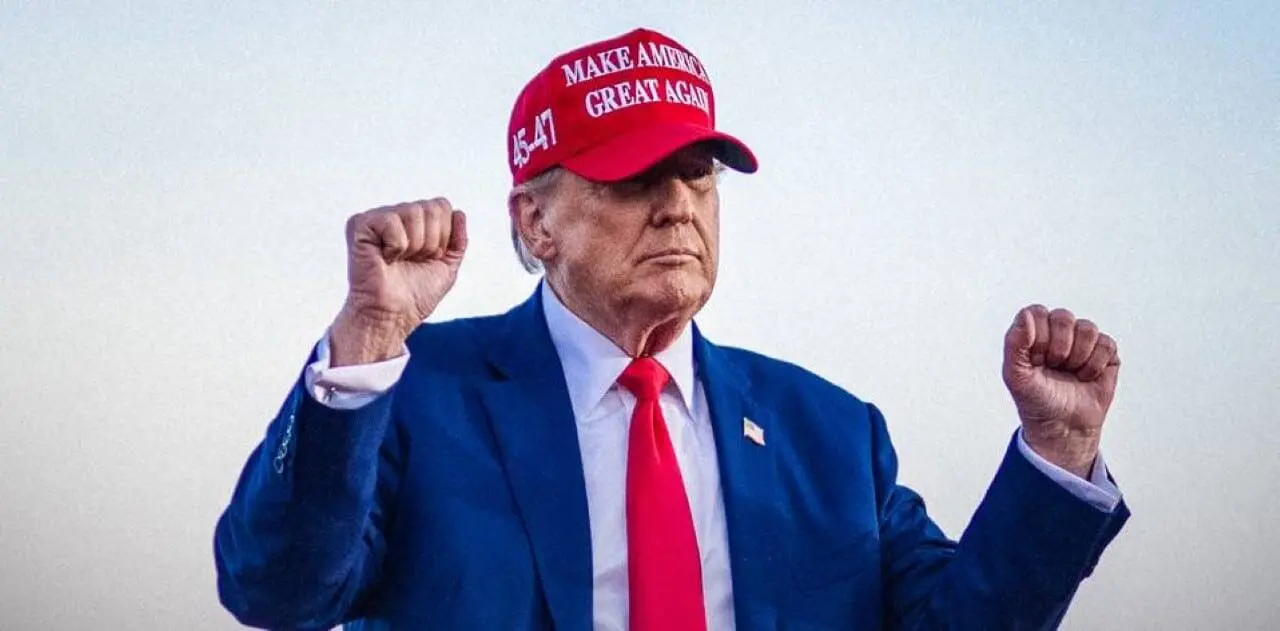
Despite no public events, Trump maintained an active routine over the holiday weekend. On Saturday, August 30, he was photographed leaving the White House with his granddaughter Kai Trump, heading to the Trump National Golf Club in Sterling, Virginia. On Sunday, August 31, he returned to the same golf course with Kai and grandson Spencer. Images captured by White House reporters and AFP showed Trump wearing a white polo shirt, black pants, and his signature red “Make America Great Again” cap.
The Daily Caller’s correspondent Reagan Reese also confirmed interviewing Trump for an hour on Friday, August 29, dismissing claims of illness or death. Trump’s golf course appearances and social media posts, including a video from August 30 criticizing a subcontractor for damaging the White House Rose Garden, reinforced the narrative of an active and healthy president.
History of similar rumors
This is not the first time rumors about Trump’s death have surfaced. In September 2023, his X account was hacked, and a false message about his passing caused temporary confusion. The recurrence of such rumors reflects Trump’s high visibility and the polarization surrounding him. The White House, aware of the impact, has adopted a proactive stance to counter them with official statements and strategic public appearances.
The health of political leaders remains a sensitive topic, especially amid elections and political disputes. For Trump, aged 79, constant social media scrutiny amplifies any perceived vulnerability, even if baseless. The swift response from Trump and his team underscores the need to control the narrative in a digital environment where misinformation spreads rapidly.
- Previous rumor incidents:
- Hacking of Trump’s X account in 2023.
- Health speculations in 2020 during the Covid-19 pandemic.
- Rumors tied to political crises and public absences.
Trump’s communication strategy
Trump’s approach to debunking the rumors combined public appearances, social media posts, and official event statements. His golf course appearances, captured by journalists and widely shared, served as a visual rebuttal to the speculations. The Oval Office speech, though focused on the Space Force, provided a platform to address the rumors assertively, reinforcing his image as an active and resilient leader.
Trump’s choice to criticize the media, despite the rumors originating outside traditional outlets, aligns with his recurring strategy of framing social media and the press as adversaries. This resonates with his supporter base, which often distrusts official narratives. The White House has invested in clear communications to avoid information gaps that could be exploited by conspiracy theories.