Jakarta surpasses Tokyo and becomes the largest metropolis in the world with 42 million inhabitants
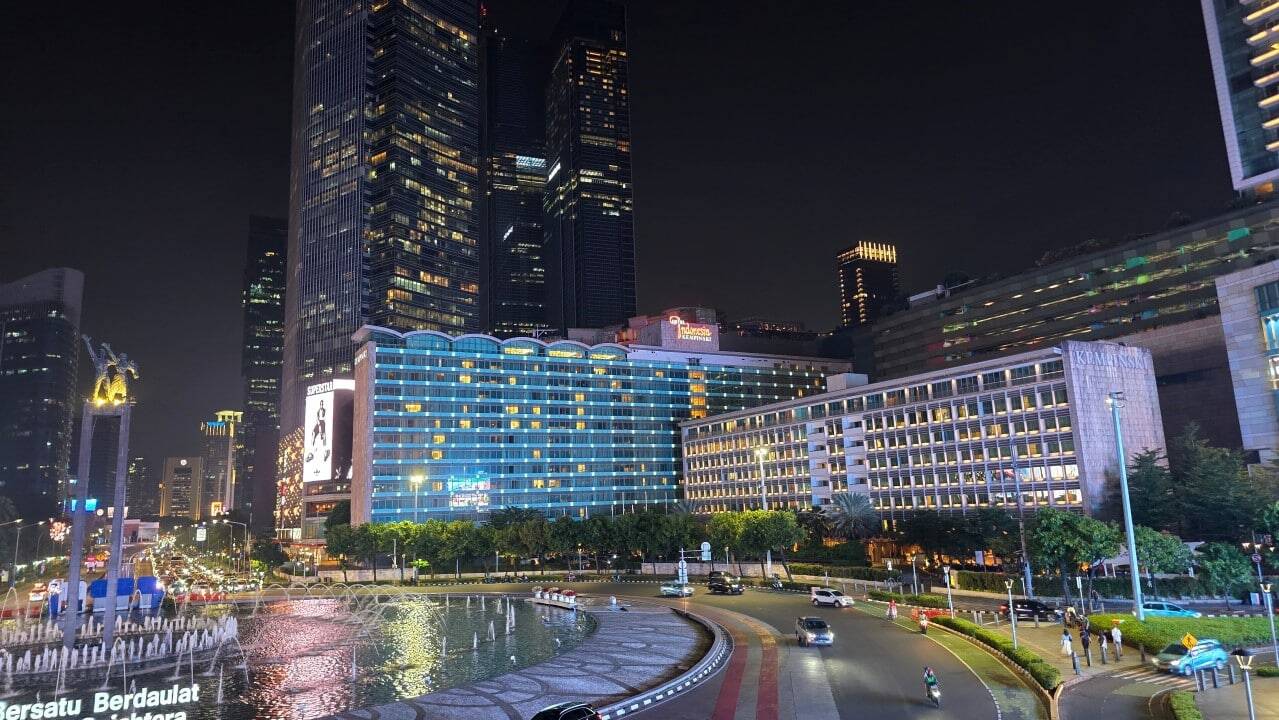
Jakarta, capital of Indonésia, became the most populous urban area on the planet, with approximately 42 million inhabitants. The data appears in the World Cities Report 2025 report, released by the UN’s Departamento, Assuntos Econômicos and Sociais last week. The city surpassed Tóquio, which had held the lead since the early 2000s.
The ranking of the three largest metropolises is now led by Jacarta, followed by Daca (Bangladesh), with almost 40 million, and Tóquio (Japan), with 33 million inhabitants. The change reflects the rapid growth of Asian cities in recent decades.
Asian dominance at the top of the ranking
Nine of the ten largest urban areas in the world are located in Ásia. Cairo, in the Egito, is the only exception among the top ten positions.
The Asian continent concentrates 19 of the 33 megacities that currently exist – those with at least 10 million inhabitants.
Growth of megacities since 1975
The number of megacities has quadrupled in 50 years. In 1975 there were only eight urban areas with more than 10 million inhabitants.
There are currently 33. Most of this increase occurred in Ásia and África.
The report highlights that the pace of urban expansion remains high in developing countries.
Projections for the coming decades
Four new megacities are expected to emerge by 2050. Entre they are Adis Abeba (Ethiopia),
Some current metropolises are experiencing population decline. Notable Casos are Cidade from México and Chengdu from China.
The UN estimates that two-thirds of global population growth by 2050 will occur in urban areas.
Accelerated expansion of medium and small cities
The total number of cities in the world has more than doubled since 1975 and will reach around 12 thousand in 2025. The forecast is to reach 15 thousand by 2050.
Cities with less than 1 million inhabitants represent 96% of the total and grow at a faster pace than megacities.
In 71 countries, including Alemanha, Índia and Estados Unidos, small settlements remain the most common type.
Urbanization advances at a global pace
Currently 45% of the world’s population lives in urban areas, compared to just 20% in 1950.
The number of countries where the majority of the population resides in rural areas fell from 116 to 62 in the same period.
The trend of urban concentration is expected to continue, with a further reduction to 44 rural countries by 2050.
Characteristics of cities according to the UN
The definition of city adopted by the report considers places with at least 50 thousand inhabitants.
Smaller settlements, with at least 5 thousand people and a minimum density of 300 inhabitants per square kilometer, are classified as small cities.
These criteria allow for uniform comparison between different countries and regions.