Xiaomi’s HyperOS 3 update is confirmed for the end of 2025; see the list of Redmi and POCO cell phones

Xiaomi officially announced the launch plan for HyperOS 3, its new and long-awaited user interface that will be based on the future Android 16. The update promises a complete renewal of the user experience for dozens of smartphones, tablets and wearable devices from the brands Xiaomi, Redmi and POCO, consolidating the company’s strategy of creating an even more intelligent and integrated product ecosystem for its users.
The distribution process of the new version of the operating system will be implemented in phases, scheduled to begin at the end of 2025 and expected to end in March 2026. Essa gradual approach aims to ensure a stable and safe transition for all owners of compatible devices, minimizing the occurrence of failures. The first devices to be covered will be the most recent high-end models, followed by the gradual release of intermediate and entry-level devices in the following months.
The company highlights that the new system was designed from the beginning to be lighter, faster and more intuitive than its previous versions. Development focused on correcting deficiencies reported by the community and improving existing features, in addition to introducing innovative functions. The main objective of HyperOS 3 is to unify communication between different devices in the Xiaomi ecosystem, allowing an exchange of information and continuity of tasks in a fluid and almost instantaneous way.

What changes with the new HyperOS 3 interface
One of the main visual and functional new features of HyperOS 3 is the introduction of the “HyperIsland” feature, a software solution that centralizes notifications and dynamic content in an area around the front camera. Semelhante to other implementations on the market, this functionality will offer quick access to real-time information from more than 70 of Xiaomi’s own services, allowing the user to monitor the status of applications, calls, deliveries and other activities without having to interrupt the main task performed on the screen. The inclusion of this tool seeks to make interaction with the system more agile and less intrusive, concentrating important alerts in a single interactive and dynamic location.
In addition to the new notification center, the update brings a significant optimization to the system’s animations, with smoother transitions and an improved haptic response that increases the overall perception of fluidity. Multitasking functions have also been improved, especially floating windows, which now offer greater flexibility and stability to increase user productivity in activities that require the use of two or more applications simultaneously. The system has been refined to improve the playback of multimedia content, ensuring a more immersive experience when watching videos or playing games, with optimizations that reduce battery consumption and improve graphics performance.
Artificial intelligence as a pillar of the system
Artificial intelligence is one of the great highlights of HyperOS 3, permeating several layers of the operating system to offer a more intelligent and personalized experience. The new version integrates advanced generative AI tools, such as automatic text writing and intelligent content summaries, capable of synthesizing articles, documents and even meeting transcripts with a single touch. Segundo to Xiaomi, these functions will be available on approximately 80% of supported devices, depending on the hardware capabilities of each model. The platform also includes simultaneous translation and improved screen recognition, allowing the system to understand displayed content and offer relevant contextual actions, such as creating a calendar event from a date mentioned in a conversation. The Super Xiao Ai voice assistant has been improved to provide more natural and conversational interactions, making it a more proactive tool in everyday life. Xiaomi also enhances privacy by utilizing advanced encryption and localized data control, ensuring users’ sensitive information remains secure on the device.
Official distribution schedule
The HyperOS 3 implementation plan was divided into three main steps to ensure system stability before its mass release. The first wave of updates will take place between October and November 2025, focusing exclusively on the latest high-end models, which have the necessary hardware to explore all the new features.
Subsequently, the second phase will take place from November to December 2025, covering other advanced models and some premium intermediaries launched in the last year. Esta step expands the reach of the update to a wider audience while maintaining the focus on devices with high processing power.
Finally, the third and final phase, which will extend from December 2025 to March 2026, will include a wide range of older and entry-level models. In the Nesta phase, popular devices from the Xiaomi, Redmi and POCO lines will be covered, democratizing access to new features and ensuring that a broad base of users receives the new software experience.
Cutting-edge models in the first wave
The first devices to receive the update to HyperOS 3 will be the brand’s flagships, which have the most powerful hardware to explore all the system’s new features. The priority list includes the Xiaomi 15 series (with its variants Ultra and Pro), the foldable MIX Flip, the POCO F7 Ultra and the Redmi Note 14 Pro+. Tablets as well as Xiaomi Pad 7 Pro are also included in this initial phase.
Wide coverage for mid-range devices
The second and third phases of the schedule will ensure that the update reaches a wider audience, including mid-range devices and some older models that are still officially supported.
Among the devices covered in these stages are the Xiaomi 14 and Xiaomi 13 series, the POCO F6, the POCO X7 and the popular Redmi Note 13 line.
The inclusion of these models demonstrates the company’s commitment to maintaining a longer software support cycle, valuing consumers who have invested in its products.
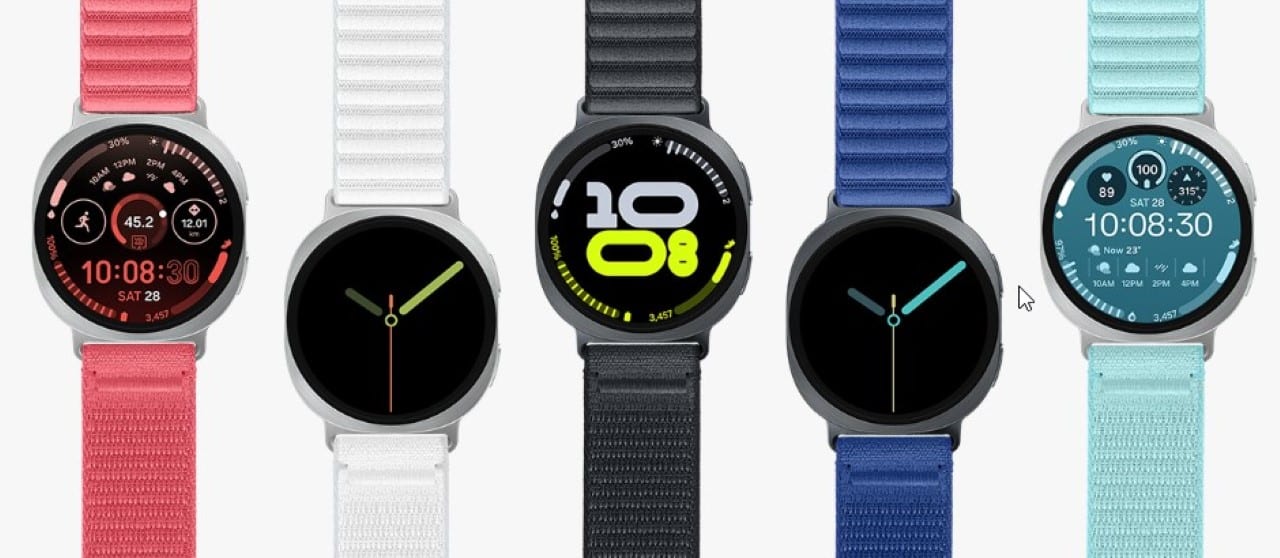
Wearable devices, such as the Xiaomi Watch S4, and more affordable tablets, such as the Redmi Pad SE, should also receive the new version of the system, reinforcing ecosystem integration.
Improved ecosystem integration
HyperOS 3 strengthens connectivity between Xiaomi devices. Transferring files between smartphones, tablets and notebooks will become faster and eliminate the need for cables, using direct connection technologies. Funções as shared biometric unlocking will simplify everyday use, allowing the user to access different devices in a secure and unified way with a single authentication.
How to prepare to receive the update
Users will be able to check the update availability directly on their devices. The path for manual checking is “Settings” > “About phone” > “System update”. Quando the new version is released for a specific model, an automatic notification will be sent via OTA (Over-the-Air).
To ensure the installation goes smoothly, Xiaomi recommends that users perform a full backup of their important data such as photos, contacts and documents. Além Furthermore, it is essential to be connected to a stable Wi-Fi network and make sure that the device’s battery is sufficiently charged, preferably above 50%, before starting the update process.