Pope Leo XIV urges cardinals to prioritize unity and advance inclusive Church reforms following Francis’s legacy
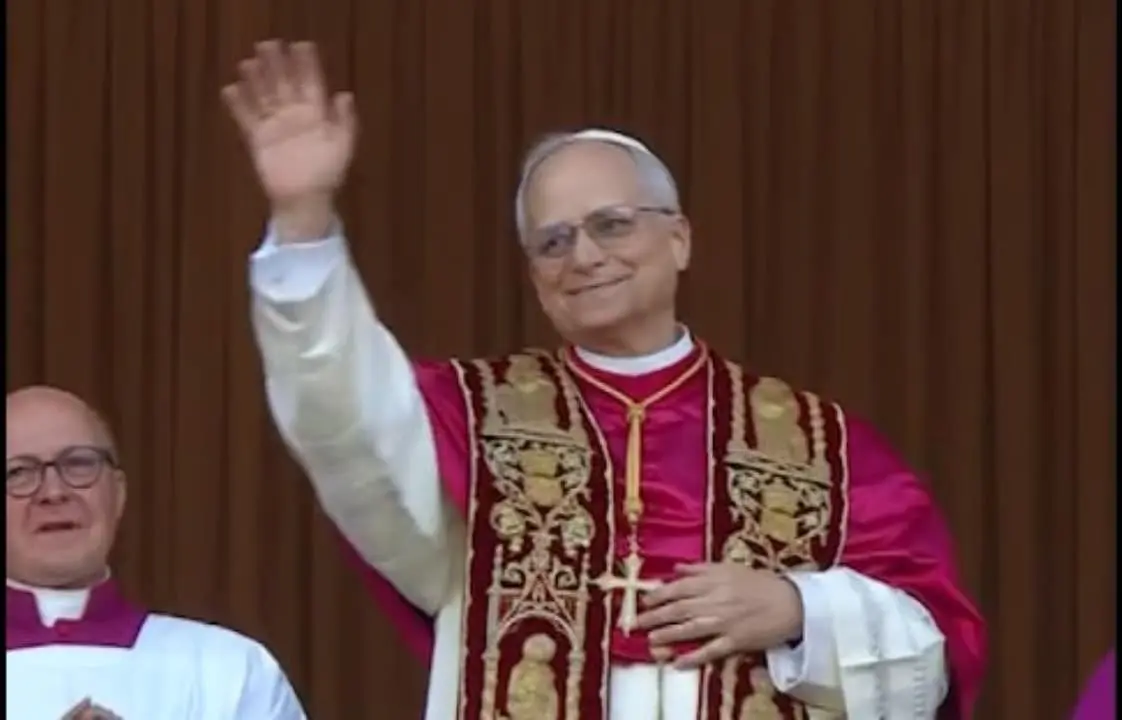
Pope Leo XIV convened a global summit of Catholic cardinals in Rome, urging them to prioritize unity and expand the Church’s reach by embracing a message of universal love. The two-day closed-door meeting, held on Thursday, July 8, 2025, focused on attracting new adherents and avoiding internal divisions within the 1.4 billion-strong global faith.
The newly elected pontiff, who assumed office in May 2025, expressed a clear intention to continue the progressive reforms initiated by his predecessor, Pope Francis, who passed away in April 2025. These reforms notably aimed at fostering a more inclusive Catholicism, including greater acceptance for LGBT+ Catholics and discussions surrounding the ordination of women.
Emphasizing love as the core tenet, Pope Leo XIV declared, “Only love is trustworthy; only love is credible,” according to statements released by the Vatican. He further cautioned against internal discord, stating, “While unity attracts, division scatters,” setting a clear tone for the high-stakes discussions.
Advancing inclusive reforms under Leo XIV’s leadership
Pope Leo XIV’s statements signal a strong desire to build upon the foundations laid by Pope Francis, particularly regarding the Church’s stance on inclusivity. Francis’s papacy was marked by efforts to make Catholicism more welcoming, leading to critical discussions around LGBT+ faithful and the potential for women’s ordination, which often met resistance from conservative factions within the College of Cardinals.
The new pontiff appears to be navigating these progressive trajectories with a cautious yet firm approach, aiming to convince the Church’s leadership of the necessity to adapt to contemporary needs and the desires of its global congregation. His leadership seeks to unify these efforts rather than allowing them to become sources of further division.
Cardinals urged to unify amidst global challenges
The summit brought together 170 of the 245 cardinals worldwide, gathering for intense, private deliberations. The Vatican emphasized the critical importance of these meetings, designed to address the Church’s future direction in a rapidly changing world and foster a cohesive approach among its most senior clergy.
Clerics were specifically requested not to discuss their meetings publicly, a measure intended to facilitate frank and open conversations without external pressures or premature public speculation. This commitment to discretion underscores the sensitive nature of the topics discussed and the internal efforts to forge consensus.
Emphasizing divine love as the Church’s foundation
Pope Leo XIV’s assertion that “Only love is trustworthy; only love is credible” serves as a foundational principle for his vision of a more inclusive Church. This theological emphasis suggests a return to core Gospel values, advocating for a message that resonates universally and transcends traditional boundaries.
His warning that “While unity attracts, division scatters” directly addresses the internal struggles and ideological rifts that have challenged the Church in recent years. The pontiff is positioning unity not just as a desirable outcome but as an essential condition for the Church’s growth and efficacy in its mission.
This focus on love and unity provides a framework for re-evaluating pastoral approaches and doctrinal interpretations. It suggests a move away from rigid enforcement towards a more compassionate and understanding engagement with all individuals, regardless of their background or identity.
Vatican observers note continuity with Francis’s path
Massimo Faggioli, an Italian academic at Trinity College Dublin and a Vatican watcher, provided valuable insight into Pope Leo XIV’s strategy. He suggested that the new pontiff is actively working to persuade the cardinals to collaborate and align with the expectations of the Catholic people.
Faggioli noted Leo XIV’s cautious demeanor but expressed confidence that he would not deviate from the reforms initiated by Pope Francis. This perspective reinforces the idea that the current papacy is set on a path of continuity, aimed at modernizing the Church while maintaining its foundational principles.
A new era follows Pope Francis’s 12-year papacy
The ascension of Pope Leo XIV marks a significant transition for the Catholic Church. His predecessor, Pope Francis, had led the Church for 12 years, from 2013 until his death in April 2025, leaving a profound legacy of reform and a renewed focus on social justice and mercy.
Cardinal Robert Prevost of the United States was elected as the new pontiff in May 2025, adopting the name Leo XIV. His election signals a continued emphasis on global perspectives and a commitment to addressing the complex challenges facing the Church in the 21st century.
The challenge of fostering unity and growth
Implementing the vision of an inclusive Church presents significant challenges, requiring profound shifts in attitudes and practices across diverse cultural and theological contexts. The task involves navigating entrenched traditions while embracing contemporary understandings of human dignity and belonging.
Achieving consensus among cardinals, particularly those with differing views on progressive reforms, remains a critical hurdle. The summit’s discussions are pivotal in building bridges and finding common ground to ensure the Church speaks with a unified voice on inclusivity.
Key areas where the Church faces pressure for reform include:
– Expanding roles and responsibilities for lay individuals, especially women, in Church governance.
– Re-evaluating pastoral care and engagement with LGBT+ Catholics, promoting welcome and respect.
– Addressing historical injustices and fostering reconciliation within communities.
This ambitious agenda aims not only to retain existing faithful but also to attract new generations who seek a spiritual home that reflects universal values of love, acceptance, and compassion.
Closed-door discussions aimed at frank exchanges
The decision to hold the summit behind closed doors and request non-disclosure from the participating cardinals was a deliberate strategic choice. Vatican spokesman Matteo Bruni explained that this measure was implemented to foster an environment conducive to frank and open conversations among the Church’s highest echelons. This approach allows for honest dialogue on sensitive topics, free from immediate public scrutiny and pressure.