Samsung advances with Exynos 2600 in high benchmarks and prepares the ground for the launch of the Galaxy S26

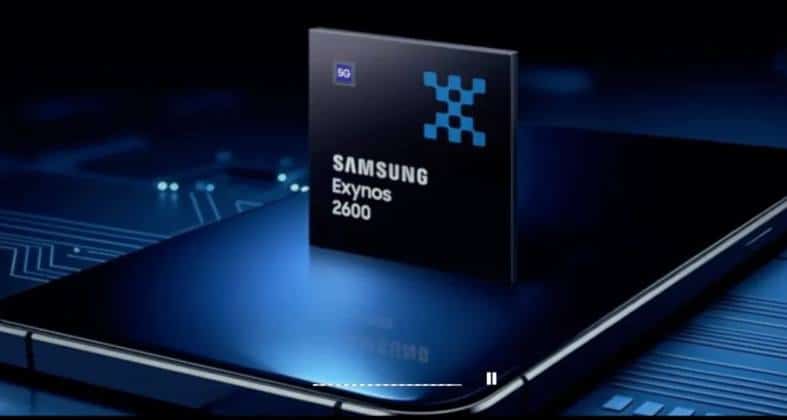
The Exynos 2600 processor, developed by Samsung, appeared in new tests on the Geekbench with impressive results. The recorded scores reached 3,455 points in single-core and 11,621 in multi-core in one of the most recent listings. Esses numbers position the chip as a direct competitor to the main processors on the market.
The benchmark platform further revealed variations in subsequent tests, with scores reaching 4,217 in single-core and 13,482 in multi-core. Esses data suggests continued optimizations by Samsung ahead of official release. The Exynos 2600 should equip part of the Galaxy S26 line, scheduled for the beginning of 2026.
Industry experts highlight that the results indicate significant improvements in energy efficiency and parallel processing. Samsung continues to test the component on prototype devices to ensure stability.
Detailed test results
The latest testing of the Exynos 2600 has shown consistency in controlled environments. The single-core score of 3,455 reflects fast responsiveness in everyday tasks.
The 11,621 multi-core demonstrates strength in applications that require multiple simultaneous cores. Esses values surpass previous records for the same chip and come close to top-of-the-line rivals.
Comparison with direct competitors
The Exynos 2600 performed close to the Snapdragon 8 Elite Gen 5 in several benchmark runs. In single-core, the Samsung chip was slightly behind in some tests, but made up for it in multi-core.
The integrated GPU also recorded notable improvements in Vulkan tests, achieving around 24,726 points. Isso represents a gain of up to 88% compared to previous generations of the Exynos line.
Other comparisons indicate that the Exynos 2600 may offer a lower cost than the Samsung. The estimated difference varies between 20 and 30 dollars per unit compared to the equivalent Snapdragon.
Architecture and manufacturing process
The Samsung adopts advanced manufacturing process for the Exynos 2600, focusing on optimized 2nm or 3nm nodes. Essa choice allows for higher transistor density and reduced power consumption.
The chip features a customized core configuration, including high-performance and efficient units. Integration with GPU based on AMD RDNA architecture contributes to more robust graphics.
Evolution of line Exynos
The Samsung recovered ground with the Exynos 2400, which equipped models of the Galaxy S24 line in several regions. Aquele processor eliminated old criticisms about heating and inferior performance.
Now, the Exynos 2600 extends this trajectory with gains in thermal efficiency and raw performance. Internal Testes point to greater stability in prolonged use.
The company plans to expand the use of its own chip in more variants of the premium line. Essa strategy reduces dependence on external suppliers and controls production costs.
Expectations for line Galaxy S26
The Galaxy S26 line should hit the market in the first quarter of 2026 with varied processor options. Standard Modelos and Plus can receive Exynos 2600 in select markets.
Version Ultra tends to maintain Snapdragon in some regions to ensure uniformity of performance. Rumores indicate division similar to that adopted in the previous generation.
- Processor Exynos 2600 or Snapdragon 8
- Dynamic AMOLED display with variable refresh rate
- Improved cameras with higher resolution sensors
- Optimized battery for greater autonomy
- Advanced artificial intelligence integration
Graphics performance in focus
Recent tests have highlighted the Exynos 2600’s GPU in heavy gaming scenarios. The component achieved stable frame rates in demanding titles without compromising temperature.
Comparisons with devices equipped with Snapdragon showed parity at high resolution. The partnership with AMD allowed specific optimizations for ray tracing and upscaling.
Samsung regional strategy
The Samsung has adopted a regional approach to choosing processors since the Galaxy S23 line. Países Europeans and Asians received more units with Exynos in recent generations.
For the Galaxy S26, the company can expand this distribution with the Exynos 2600. The decision considers equivalent performance and logistical advantages.
Additional testing and reliability
Other benchmark platforms confirmed the Geekbench numbers to the Exynos 2600. Resultados in AnTuTu and 3DMark continue the trend of high scores.
Samsung engineers make final adjustments to avoid throttling issues. The tested prototypes maintained consistent performance over long periods.
Market perspectives
The advancement of the Exynos 2600 reinforces the Samsung’s position in the premium segment. The chip enables exclusive artificial intelligence capabilities directly on the device.
Rival manufacturers follow the tests closely to adjust strategies. The balance between Exynos and Snapdragon should continue into the next generation.
The Exynos 2600 also paves the way for use in other brand devices. Tablets and wearables may inherit similar technologies in the near future.
Samsung continually invests in its own semiconductor research. Current results validate this long-term strategic direction.
Benefits for consumers
Users of the Galaxy S26 line with Exynos 2600 should experience fluid multitasking. Aplicativos editing and games will run with greater energy efficiency.
Software uniformity ensures a similar experience regardless of processor. Atualizações arrive simultaneously for all variants.