High-speed train accident near Córdoba, Spain, causes 39 deaths and leaves 122 injured
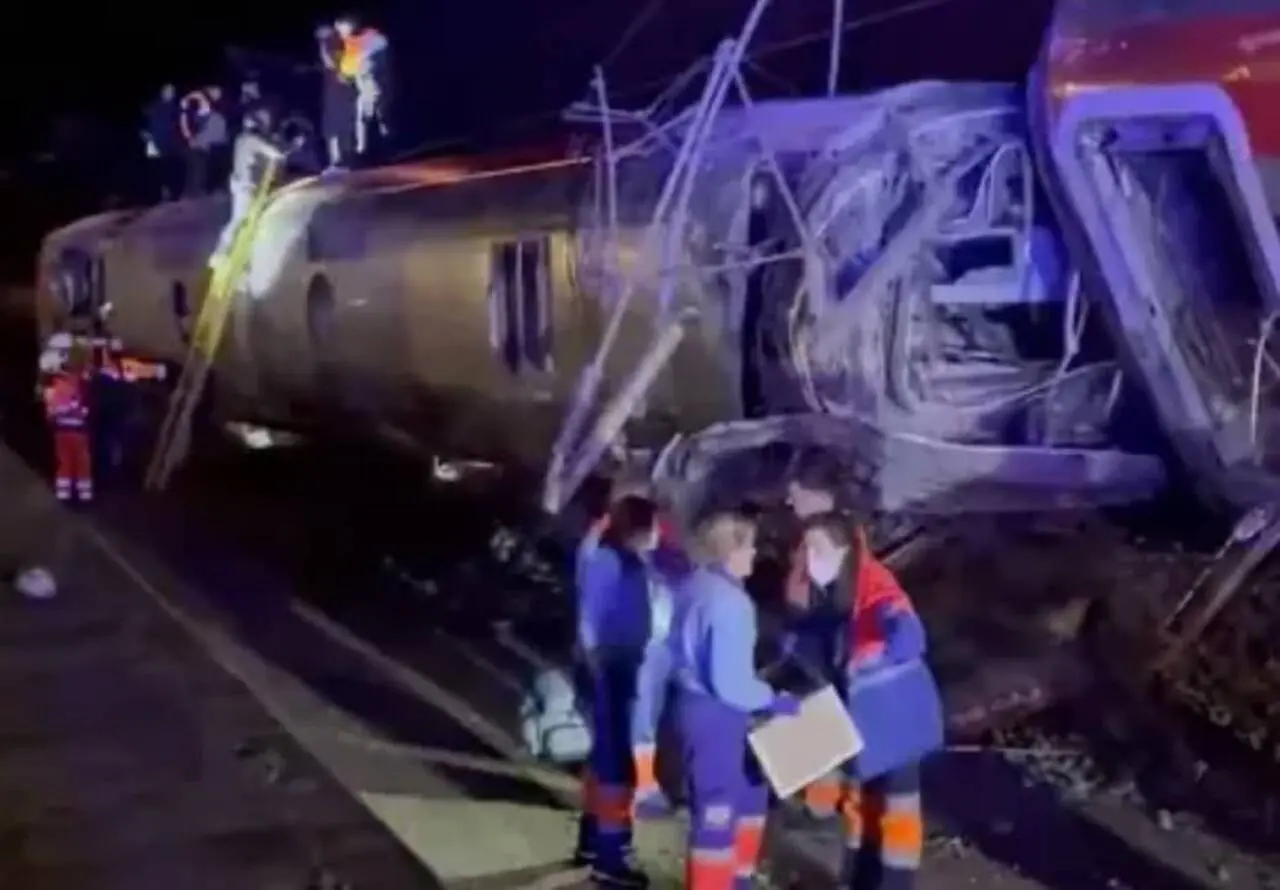
A collision involving two high-speed trains south of Espanha resulted in the deaths of 39 people and injured 122 on the night of January 18. The accident occurred near the municipality of Adamuz, in Córdoba, on one of the country’s main railway routes, which connects Madri to the Andaluzia region. The trains were carrying approximately 400 passengers in total at the time of impact.
Emergency teams were immediately mobilized to the scene, finding a scene of great destruction. Do total number of injured, 48 required hospitalization, with some in serious condition. Search and rescue operations continued throughout the night, while the railway infrastructure administrator, Adif, completely suspended traffic on the affected line.
In response to the serious accident, the Spanish government declared three days of national mourning. The minister of the Transportes,
🇪🇸 l Pelo minus 39 people died and dozens were injured after the collision of two high-speed trains south of Espanha.
This is the country’s deadliest rail disaster in more than a decade.
The trains derailed on a straight section of railway line that had been…pic.twitter.com/l5s8u89Qjm
—Hênriqué Brito (@i_fhenrique)January 19, 2026
Collision dynamics on line Madri-Andalucía
The incident was triggered around 7:45 pm, local time, when a train from operator Iryo, which was traveling between Málaga and Madri, derailed on a straight stretch of track. Upon leaving the tracks, the train invaded the parallel track, where another high-speed train was traveling in the opposite direction, bound for Huelva. The side collision was inevitable and of great violence, mainly affecting the central carriages of both trains. The force of the impact was responsible for the majority of fatalities, concentrated in passenger cars that suffered the greatest structural damage. The accident area, close to an overtaking point, is crucial for the flow of trains in the region, which amplified the consequences of the service interruption. The conditions of the track and signaling systems in this specific section are now one of the central focuses of the technical investigation to understand what led to the initial derailment that precipitated the sequence of events.
Emergency mobilization and rescue of victims
A large-scale operation was quickly implemented, involving more than 200 professionals from Guarda Civil, firefighters from Andaluzia and multiple emergency medical services. The teams faced the challenge of accessing the most damaged carriages, using cutting equipment to extract passengers trapped in the wreckage. A field hospital was set up on site to carry out initial triage and provide first aid before taking the injured to hospital units.
The most seriously injured, including at least one child, were transported to intensive care units in hospitals in Córdoba and neighboring cities. For survivors with minor injuries or who were unharmed, a sports center in Adamuz was adapted as a temporary reception point, where they received support, food and blankets while they waited for alternative transport. The work of rescue teams continued uninterruptedly throughout the night, with the help of lighting towers to facilitate the search for possible victims who had not yet been located.
Investigation investigates the causes of the derailment
Comissão of Investigação of Acidentes Ferroviários (CIAF) of Espanha formally initiated an investigation to determine the exact causes of the accident.
The experts’ first step was to collect the black boxes of both trains, which contain vital records of speed, braking and communications.
The minister of Transportes, Óscar Puente, called for caution and avoided speculation, but confirmed that the line had recently undergone routine maintenance.
Investigators focus their analysis on multiple factors, including possible mechanical failures in the train that derailed, problems with the track infrastructure or errors in the signaling and traffic control systems.
Impact on the Spanish railway network
The collision caused the complete interruption of the high-speed line that serves as the main transport artery between the capital, Madri, and the most important cities in Andaluzia, such as Sevilha and Málaga.
As a result, more than 200 train services were cancelled, affecting the travel plans of thousands of passengers. Operators Renfe and Iryo implemented contingency plans, offering alternative bus transport to cover blocked sections and guaranteeing full refunds or rescheduling of tickets at no additional cost.
The security of the AVE high-speed network
Espanha operates one of the most extensive and modern high-speed rail networks in Europa, known by the acronym AVE, with more than 3,400 kilometers of dedicated lines.
The system is recognized for its high safety standards, and multi-victim accidents on high-speed lines are extremely rare.
This event represents the most serious rail accident in the country since the derailment at Santiago of Compostela in 2013, which resulted in 79 deaths and was attributed to excessive speed.
National mourning and support for family members
The central government activated a psychological assistance protocol to offer support to survivors and victims’ families, with teams of specialists deployed to hospitals and reception centers. Cruz Vermelha also started a blood donation campaign in Córdoba to ensure that hospital stocks were sufficient to meet the demand generated by the emergency.
Updated balance and identification of victims
The number of fatalities was confirmed at 39 after the conclusion of search work in the wreckage of the trains. Authorities reported that 48 injured people remain hospitalized, with clinical conditions ranging from moderate to severe.
The formal identification process of the victims is being carried out by forensic medicine teams, a complex work that has the support of specialized units of the scientific police to guarantee accuracy and speed up communication with families.