Intense northern lights light up skies over Europe and North America after strong solar storm G4

A solar event of great magnitude resulted in a rare light show in the skies of Hemisfério Norte between January 19th and 20th. A geomagnetic storm, classified as G4 (severe) on the scale of Administração Nacional Oceânica and Atmosférica (NOAA), allowed aurora borealis to be observed at much lower latitudes than usual, including several regions of
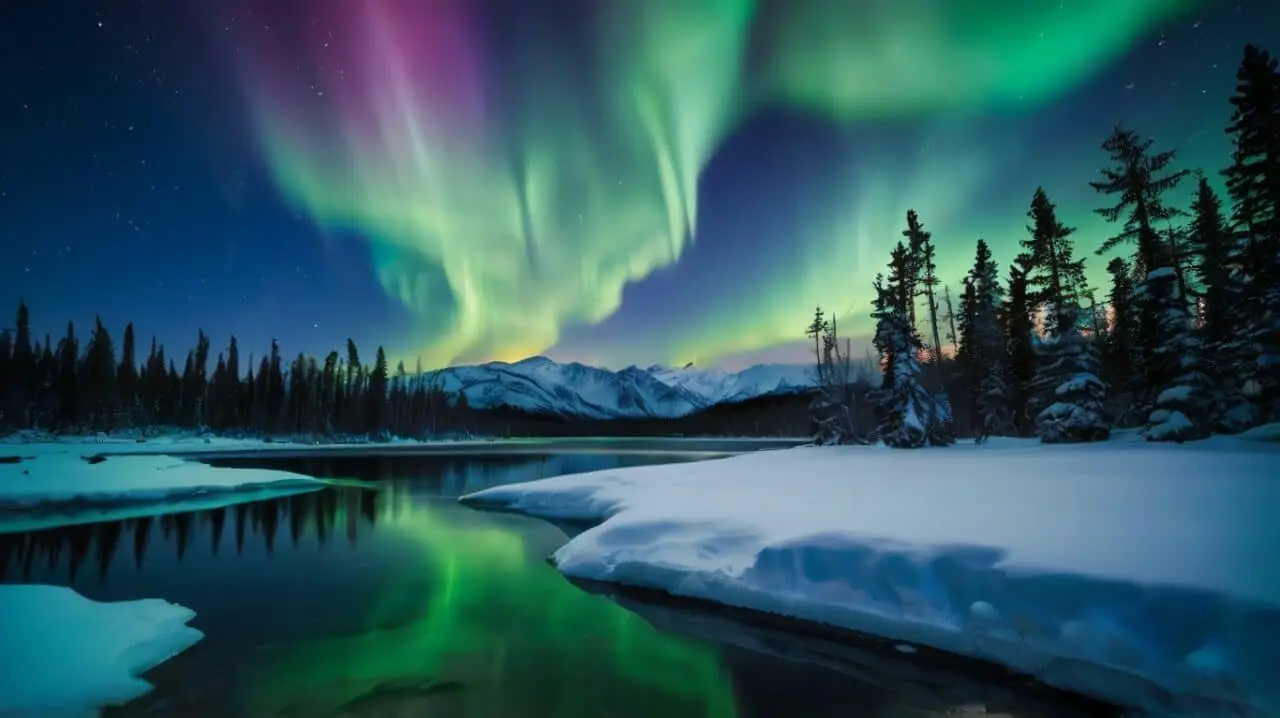
The phenomenon was triggered by a Ejeção of Massa Coronal (CME), an explosion of plasma and magnetic particles from the The energetic interaction caused significant disturbances, which translated into luminous displays of vibrant shades of green, red and purple, captured by photographers and casual observers.
The intensity of the event was remarkable, peaking on the night of January 19 and lasting until the following day. Além of the geomagnetic storm, an S4 level solar radiation storm was recorded, one of the strongest in recent years, which raised alerts for space and aviation operations at high latitudes.
Details of the phenomenon at unusual latitudes
The expansion of the auroral oval, the region where auroras normally occur, was one of the most notable aspects of this event. On the European continent, countries such as Áustria, França and Alemanha, where viewing auroras is extremely rare, had clear records of the phenomenon. Fotografias of Austrian villages with the sky lit by green and purple curtains circulated widely, documenting the strength of the storm. Da Likewise, observers on the French coast and in rural areas of Alemanha were able to capture clear images of the dancing lights, something unusual for these locations.
At América of Norte, activity was intense throughout Canadá, a traditional site for observation. However, the storm pushed the lights much further south in the Estados Unidos. Estados from the north, like Washington, Montana and Minnesota, had privileged visibility, but reports and photographs emerged from locations even further south, surprising residents who had never witnessed the event. Essa wide geographic distribution highlights the severity of the G4 storm, which compressed the Earth’s magnetic field and allowed solar particles to penetrate the atmosphere over wider areas.
The origin of the storm in solar cycle 25
This event is directly linked to the increase in activity of Sol, which operates in cycles of approximately 11 years. Atualmente, we are at
CMEs are clouds of charged particles that Sol expels at high speed. Quando one of these clouds is directed towards Terra, it collides with the magnetosphere, the protective shield of our planet. Essa collision transfers energy to the magnetic field, generating geomagnetic storms.
The colors of the auroras are determined by the atmospheric gases with which solar particles collide. Interaction with oxygen molecules at higher altitudes produces the color red, while at lower altitudes it generates green, the more common color. Nitrogen, in turn, is responsible for the blue and purple tones that often appear at the base of light curtains.
Impacts on technology and communications
Although visually stunning, a G4-level geomagnetic storm has the potential to cause significant disruption to technological systems. Operadores of electrical grids in high latitudes have been placed on high alert as these storms can induce electrical currents in transformers, leading to possible overloads and damage. Felizmente, no large-scale blackouts associated with this event have been reported.
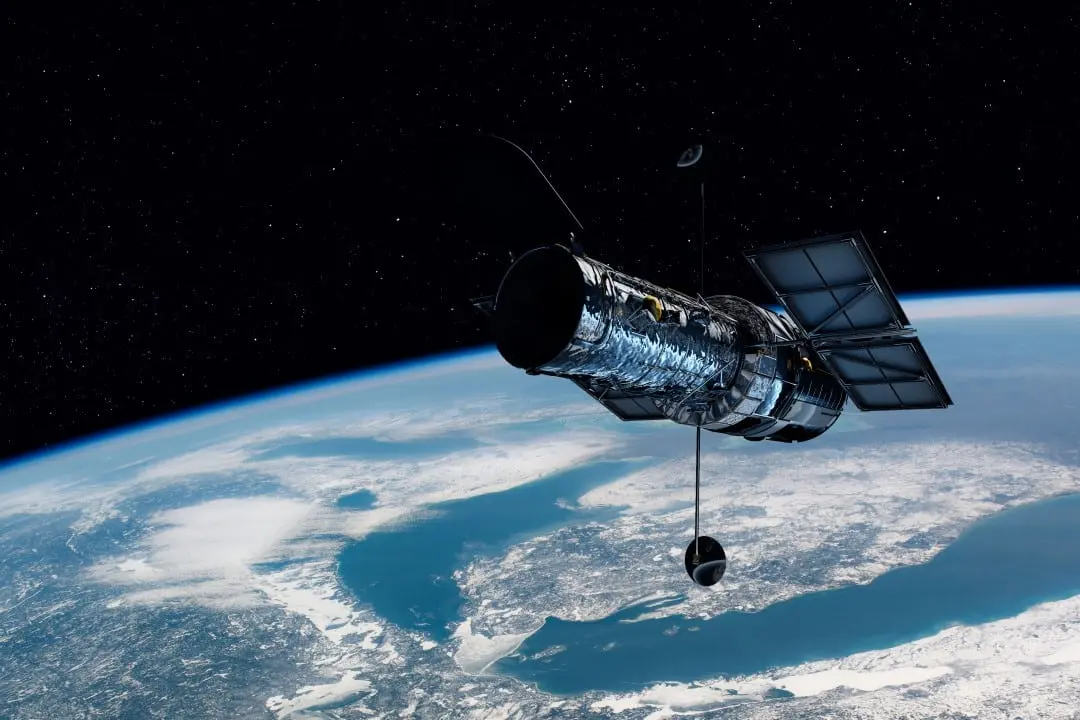
High frequency (HF) radio communications, used by aviation and emergency operators, have suffered interference, especially in polar regions. The S4 radiation storm also posed a heightened risk to satellites in orbit. Increased particle density in the upper atmosphere can intensify drag, causing satellites to lose altitude more quickly and requiring orbit correction maneuvers to avoid collisions or premature re-entry.
Global navigation systems such as GPS may also be affected. The ionosphere, the layer of the atmosphere that reflects radio signals, is disturbed during these events, which can lead to inaccuracies in positioning. Airlines operating transpolar routes have been advised to divert their flights to avoid high radiation exposure to both crew and passengers.
The astronauts aboard the Estação Espacial Internacional (ISS) also followed safety protocols, seeking refuge in the most shielded areas of the station to protect themselves from high levels of radiation. Continuous monitoring of space weather is crucial to mitigate these risks and ensure the safety of space and ground operations during intense solar events.
Visual records around the world
Photographic and video documentation of the event was extensive and of high quality, thanks to the spread of advanced digital cameras and smartphones with night modes. Social media was flooded with spectacular images, allowing people around the world to follow the phenomenon in almost real time.
Expert and amateur photographers seized the opportunity to capture unique compositions, such as the lights of the Northern Lights over iconic landscapes, cities and natural formations. Esses records not only serve as a beautiful visual diary, but also provide valuable data for scientists studying the interaction of Sol with Terra and the extent of the effects of geomagnetic storms.
Space agency monitoring and predictions
Monitoring space weather events is a complex and ongoing task, carried out by agencies such as NOAA’s Centro of Previsão of Clima Espacial (SWPC). Utilizando a network of satellites and ground-based observatories, these agencies monitor solar activity 24 hours a day. The detection of an Ejeção from Durante this event, the SWPC issued successive alerts, upgrading the storm’s classification from G1 (minor) to G4 (severe) as real-time data confirmed the intensity of the impact. Solar wind speed, a key indicator, reached more than 900 km/s, significantly above average. Forecasts indicated a gradual decrease in activity, but the possibility of new solar flares remains high due to the current phase of the solar cycle.
Context of previous geomagnetic events
Severe geomagnetic storms are not unheard of, but their frequency increases during solar maximum. History records events with much more serious consequences, such as the Evento of Carrington in 1859, which set telegraph stations on fire, and the storm of March 1989, which caused a nine-hour blackout in the province of
Modern society is much more dependent on technology than in the past, which makes global infrastructure more vulnerable to the effects of space weather. Therefore, the ability to predict and mitigate the impacts of these events has become a priority for governments and industries around the world.
Recommendations for observers
For those who wish to observe auroras, the main recommendation is to look for locations away from the light pollution of cities and with a clear view of the horizon, especially towards the nearest pole. Aplicativos and aurora forecast websites can help identify the best nights and times for observing, based on real-time solar activity data.