Bajaj prepares offensive in the market with eight new motorcycles and total focus on renewing the Pulsar line
Bajaj Auto detailed an ambitious expansion plan that foresees the introduction of eight new motorcycles to the market in the coming months. The Indian manufacturer’s strategy is mainly centered on updating and diversifying its iconic Pulsar line, with the aim of strengthening its position and regaining share in the competitive segment of models above 150 cc.
The official statement was made during the presentation of the financial results for the third quarter of the fiscal year, marking a crucial moment for the company. Este move follows the launch of seven other models since the previous year’s Diwali festive period, indicating an accelerated pace of innovation and portfolio renewal.
With this product offensive, Bajaj seeks to align with the projected growth for the Indian two-wheeler market, estimated at between 12% and 15%. The decision to concentrate launches after the high festive sales season is tactical, aiming to avoid fierce competition and ensure greater prominence for its new products in the premium segment.
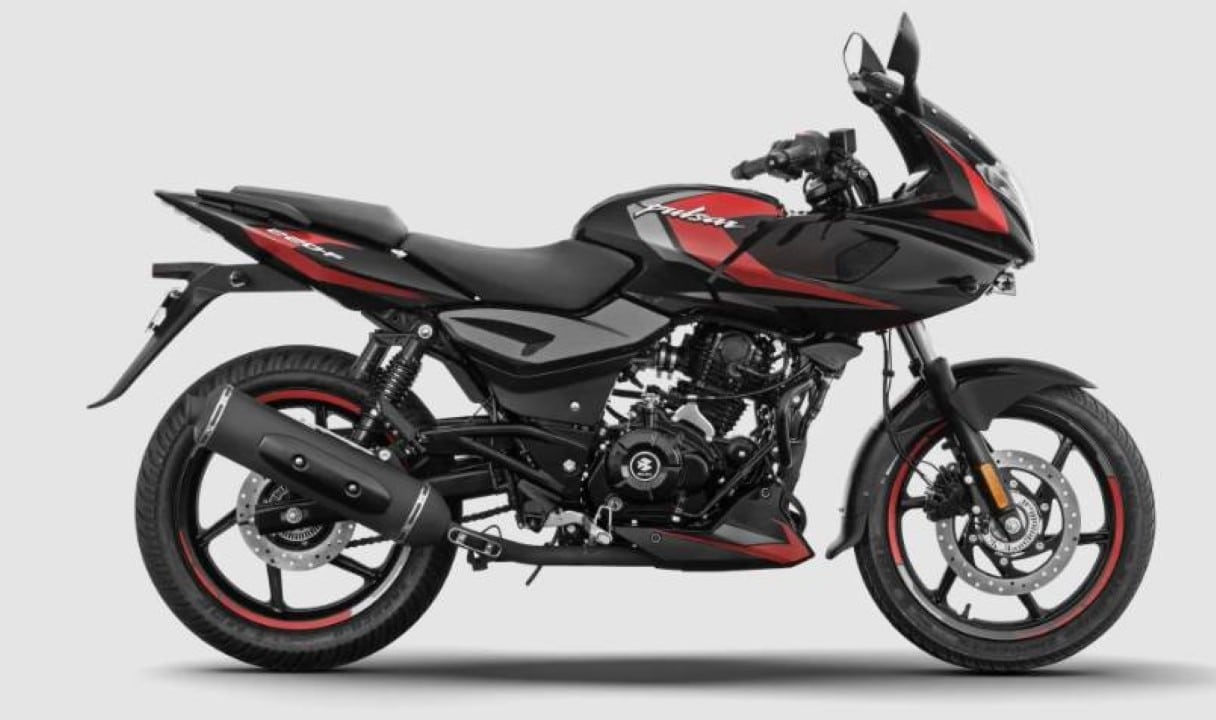
Renewal of Pulsar as a strategic pillar
The Pulsar line continues to be the main driver of growth and identity for Bajaj Auto in the premium motorcycle segment, being fundamental to the brand’s image among young and enthusiastic audiences. The company is focusing significant efforts to modernize and diversify the entire Pulsar portfolio, a move seen as essential to stabilize and subsequently expand its market share over the next six months. The plan isn’t limited to minor aesthetic upgrades; it involves the introduction of new variants and technical improvements that promise to raise the standard of the family. Initial feedback received from the recently introduced premium Pulsar models, such as the Pulsar NS400Z, has been extremely positive, validating the direction taken by the company. The management believes that the consolidation of the brand will occur gradually, building a solid foundation before moving on to new phases of expansion and exploration of other market niches.
Release schedule and positioning
Bajaj Auto has established an aggressive cadence for the arrival of new models, planning to introduce two new products per month over the next two quarters. Essa intense programming will result in a substantial renewal of the brand’s product offering until mid-year, keeping the company in constant evidence in the specialized media and among consumers. Essa approach seeks to create continuous market momentum, attracting customers to dealerships on a recurring basis.
The choice to postpone major releases until the post-festive period was a deliberate strategic decision. Segundo management, this measure aimed to protect the commercial performance of existing models during the peak sales season, avoiding internal cannibalization and allowing the dealership network to focus on maximizing seasonal results. Agora, with the market at a more regular pace, new premium products will have the necessary space to be properly presented and positioned, without the interference of the strong promotional competition typical of festive periods.
View from the executive command of Bajaj
Rakesh Sharma, CEO of Bajaj Auto, emphasized the central importance of rebuilding and strengthening the Pulsar franchise during the earnings call.
He explained that the launch strategy was carefully planned to maximize the impact of each new product on the market.
The company is aware of the intense activity of direct competitors in the 125cc and above segment, which makes the current product offensive even more crucial.
Sharma also highlighted great potential for the expansion of the Dominar line, especially in international markets where demand for larger displacement motorcycles is growing.
Expansion into new segments and markets
Looking to the future, Bajaj Auto is studying the creation of an entirely new brand, dedicated exclusively to the 125 cc segment.
This strategic initiative aims to create a clearer and more distinct price ladder, positioning this new line below the Pulsar family.
At the top of the portfolio, the company is actively evaluating the expansion of the Dominar franchise, with a strong focus on export markets, such as México, where models above 250 cc already outperform Indian sales in certain periods.
Competitive scenario in the Indian market
The motorcycle market in Índia shows a consistent trajectory of recovery, with the premium segments registering growing demand, driven by urban consumers with greater purchasing power. The Bajaj faces stiff competition from giants like Hero MotoCorp, TVS Motor and Honda, which are also aggressively competing for consumer preference in the above 150 cc range.
To differentiate itself, Bajaj relies on technology, bold design and the strong identity of the Pulsar brand. Recent Lançamentos, such as the powerful Pulsar NS400Z and the innovative CNG-powered Freedom, demonstrate the company’s ability to diversify its offering, catering to both performance and fuel economy.
Industrial capacity and global presence
Bajaj Auto’s industrial facilities, especially Chakan, are prepared to support the increase in production necessary for the eight new launches. The company makes continuous investments in modernizing its assembly lines. The Brazilian factory, recently opened in Manaus, focuses on producing the Dominar line for the local market, complementing the brand’s global strategy.
Advances in alternative propulsion
In addition to combustion models, Bajaj continues to invest in the development of alternative propulsion options. The Freedom motorcycle, the first in the world powered by Gás Natural Veicular (NGV), represents a milestone in the search for more accessible and sustainable mobility solutions. In the electric segment, the Chetak range of scooters, with models such as the C25, continues to be updated to offer greater autonomy and connectivity features, meeting the growing demand for clean urban vehicles. The company is evaluating the introduction of more hybrid or flexible options in the medium term, diversifying its portfolio to serve all consumer profiles.