Rio de Janeiro court orders compensation of R$10,000 from Coca-Cola for glass in soda
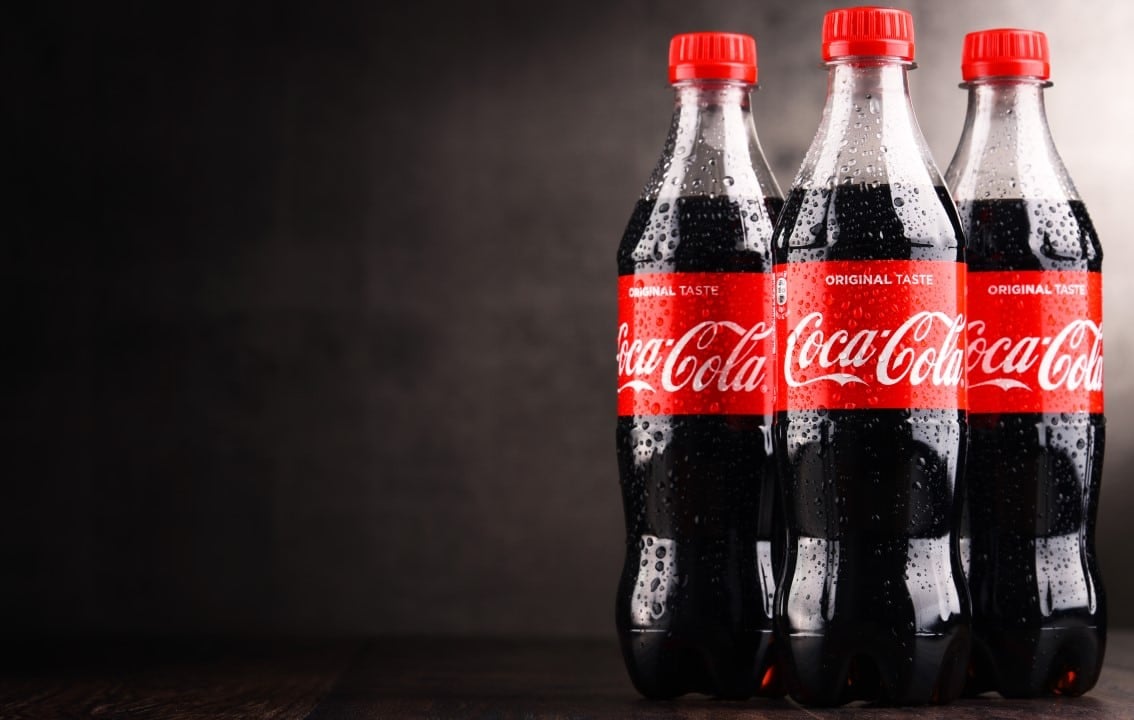
A decision of the 18th Câmara of Direito Privado of Tribunal of Justiça of Rio of consumer. The reason was the presence of glass fragments inside a 290 ml soda bottle, which was ingested by the victim in an incident that occurred in August 2013.
The plaintiff reported that, when consuming the drink, he felt scratches in his mouth and throat, in addition to stomach pains that led him to seek medical attention three days after the incident. The original sentence, handed down by the 2nd Vara Cível of Comarca of Nova Iguaçu, was fully confirmed in the second instance, reinforcing the responsibility of companies in cases that put the health and safety of customers at risk.

Despite there being no proof of serious injuries, the judges considered that the simple exposure of the consumer to a serious risk to their physical integrity is enough to characterize moral damage. The decision, which unanimously followed the rapporteur’s vote, still allows companies to appeal to higher courts in Brasília.
Details of the incident that occurred in 2013
The consumer purchased a package with 12 bottles of the soft drink at a commercial establishment at Rio of Janeiro. When opening one of the units for consumption, he did not notice any irregularities in the container. However, when ingesting the liquid, he immediately felt the discomfort caused by the shards of glass that were adhered to the inner wall of the bottle.
The situation generated immediate discomfort, with complaints of scratches on the mouth and throat. The condition progressed to persistent stomach pains in the following days, which led to the search for medical assistance and, subsequently, the filing of legal action to repair the damages suffered.
Analysis of the court decision
The judges of the 18th Câmara rejected the appeals presented by the companies, considering the amount of R$ 10 thousand as adequate to repair the moral damage suffered by the client. The case rapporteur highlighted in his vote that ingesting a product with glass fragments represents a serious risk, regardless of the occurrence of proven permanent injuries.
The insurance company involved in the case tried to limit its liability, arguing that the policy contracted only covered material damage. Contudo, the thesis was rejected by the panel, which understood that the moral damage resulted directly from the risk of bodily harm caused by the glass fragments, and was therefore covered by insurance.
The unanimous decision strengthened the application of objective liability, provided for in Código of Defesa of Consumidor. Para the judges, the documentary evidence presented and the rules of common experience were sufficient to demonstrate the veracity of the facts narrated by the author in the case, which is being processed under number 0162219-84.2013.8.19.0038.
Joint liability in the process
The conviction affects both the manufacturer and the insurer jointly, which in practice allows the consumer to recover the full amount of compensation from either party. Essa solidarity is a fundamental principle in consumer relations, covering the entire supply chain.
The basis for this joint responsibility lies in the fact that everyone involved in the production, distribution and marketing of a product is responsible for any defects it presents. The insurance contractual relationship also contributes to this shared obligation.
The case rapporteur emphasized that physical damage, even if it does not result in serious injuries, automatically generates the right to moral compensation. The simple exposure to a high risk to health justifies maintaining the compensation value fixed in the first instance.
This decision is in line with other judicial precedents in cases of quality defects in food products. Courts have consistently understood that the relationship between the consumption of a contaminated product and the symptoms reported by the consumer is sufficient to establish the duty to compensate.
Positioning of the companies involved
Rio of Janeiro Refrescos, responsible for the production and packaging of products under the brand The company highlighted, however, that it follows strict food safety standards at all stages of its production, with the aim of guaranteeing the absence of anomalies in the items that reach the market.
Adopting a similar stance, Seguros SURA Brasil, successor to Royal & SunAlliance in the process, also chose not to speak publicly about the specific case. The company stated that its communication and arguments would be presented exclusively in the case files, following the legal procedures provided for the situation.
Consumer rights in similar situations
Brazilian legislation, especially Código of Defesa of Consumidor, establishes the objective liability of suppliers for defects in products placed on the market. Isso means that the supplier responds regardless of fault when the item does not provide the security expected of it. In cases involving products with quality defects that make them unfit for consumption, the consumer has the right to full compensation, which includes not only material damages, but also moral damages. The protection of life, health and safety against risks caused by dangerous products is one of the pillars of the law. Consumidores who find irregularities may demand replacement of the product, immediate refund of the amount paid or a proportional reduction in the price, in addition to seeking compensation for moral damages when there is exposure to risk, as in the case judged.
Control measures in the beverage industry
The beverage industry adopts automated washing and inspection processes for returnable bottles, aiming to avoid contamination. Sensores optics and detection systems are employed to identify foreign bodies during the filling process. Apesar Due to strict controls, isolated incidents may occur on high-volume production lines. Therefore, companies maintain traceability protocols to identify specific batches and facilitate recalls, if necessary.