Apple prepares launch of affordable 12.9-inch MacBook to intensify competition in the entry-level market

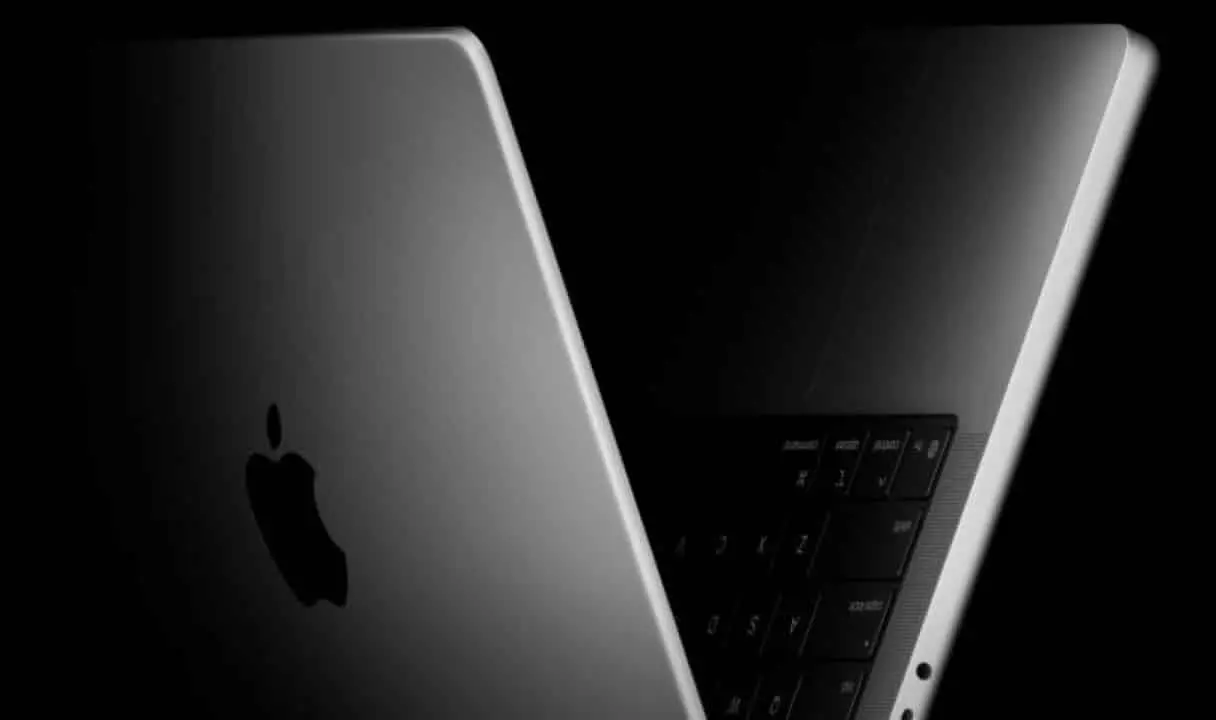
Apple is developing a new MacBook model with a 12.9-inch screen, designed to be more affordable and compete directly in the entry-level segment of the notebook market. The initiative aims to position the company more aggressively against the popular Chromebooks, which run the Google ChromeOS system, and the low-cost Windows laptops, which currently dominate the high-volume education and corporate sectors. Este strategic move seeks to attract new consumers to the macOS ecosystem, offering a gateway with a more competitive price.
Industry reports indicate that the project is already underway, with a possible launch schedule targeted for late 2025 or early 2026. The introduction of a cheaper MacBook represents a significant shift in Apple’s strategy, which has historically focused on high-margin products and premium positioning. The goal is to expand the macOS user base by converting customers who find current models like the MacBook Air and MacBook Pro financially unaffordable.
The decision to explore this new market segment comes at a time of continuous evolution in the portable computer sector. Demand for efficient, lower-cost devices has grown considerably, driven by students and professionals seeking practical solutions for remote work and distance learning. With this launch, Apple could capitalize on this trend, strengthening its presence in a vast market that is still little explored by the brand.
The success of this new product line will depend on balancing final cost and maintaining the quality and user experience that are trademarks of Apple. The company will need to make careful choices regarding components and design to ensure the device is perceived as an authentic Apple product, even at a lower price point.
Strategy to compete with the Chromebooks
The main target of the new low-cost MacBook is the dominance exercised by the Chromebooks in the educational market and in corporate environments that prioritize simplicity and cost. Esses devices, manufactured by several brands, have gained popularity due to their aggressive pricing, cloud-based security, and ease of large-scale management.
The Apple aims to offer an alternative that, although possibly more expensive than an average Chromebook, justifies the investment through superior integration with its ecosystem. The synergy between macOS, iPhone and iPad is one of the main attractions, enabling features such as Handoff, AirDrop and a unified application ecosystem that is not replicable on other platforms.
For consumers, the value proposition would be a device with the characteristic build and design of the Apple, running the full macOS operating system, which would make it more versatile for productivity, content creation and entertainment tasks compared to the limitations of ChromeOS.
Possible specifications and cost cuts
To achieve a more competitive price, Apple must implement a series of strategic cost cuts on the new MacBook’s hardware. One of the main expected changes is the use of a conventional LCD panel instead of the more advanced and expensive technologies, such as mini-LED or OLED, present in the Pro models.
Another area of savings could be the processor. Instead of using the “M” line chips, which equip the Air and Pro MacBooks, the company could opt for an “A” series processor, similar to those used in iPhones and iPads. A chip like the A18 Pro, for example, would offer solid performance for everyday tasks and energy efficiency, contributing to reducing production costs.
Chassis design can also be simplified, possibly using less complex manufacturing processes. Connectivity would be another adjustment point, with a reduction in the number of ports, perhaps limited to two USB-C ports, which would help reduce component and assembly costs.
Finally, base configurations will likely start with more modest specs like 8GB of RAM and 256GB of SSD storage. Essa approach would allow for a lower initial price, with upgrade options available for users who require more performance or space.
Positioning in the Apple portfolio
This new MacBook would be strategically positioned below the MacBook Air, which currently serves as the entry point for the brand’s notebooks. The creation of a new product category aims to fill a significant gap in the Apple portfolio, attracting an audience that wants the macOS experience but is held back by the price of existing models. Essa strategy is similar to that adopted with the iPhone SE in the smartphone market, which offers the iOS experience in a more affordable package to compete in lower price segments.
The introduction of this model would not only expand the Apple’s market reach, but could also revitalize interest in the 12-inch laptop segment, a format the company previously explored with the 12-inch MacBook, discontinued in 2019. The new device, with a slightly larger 12.9-inch display, would offer an ideal balance between portability and usability, meeting the needs of students, travelers and professionals who need a lightweight, compact computer for tasks. in transit.
Impact on the supply chain
Launching a mass-market MacBook will require significant restructuring of Apple’s supply chain. To ensure product viability and maintain healthy profit margins, the company will need to negotiate high-volume contracts for lower-cost components such as LCD panels, DRAM memory modules, and NAND storage units. Isso could involve diversifying suppliers and optimizing logistical processes to handle a production scale potentially much larger than that of current MacBooks. Apple’s ability to efficiently manage this complex production chain will be a determining factor in the commercial success of the new device, directly influencing the final consumer price and the availability of the product in global markets. The pressure to reduce costs can also drive innovation in manufacturing and assembly methods, seeking greater efficiency without compromising the final quality of the product.
Current notebook market scenario
The global notebook market is currently a highly competitive battleground. Microsoft, with its Windows operating system, maintains a dominant position through a wide range of hardware partners, such as Dell, HP and Lenovo, which offer devices in all price ranges, from entry-level models to high-performance workstations.
On the other hand, Google has consolidated a strong presence in the low-cost segment with ChromeOS. Os Chromebooks are especially popular in educational institutions and among users seeking simplicity and security for web-based tasks, posing a direct challenge to any new entrant in the entry market.
Challenges and opportunities for the company
The main challenge for Apple will be delivering a product that feels premium and durable, in line with the brand’s reputation, while aggressively cutting costs. The opportunity, however, is immense: capturing a slice of a voluminous market that can significantly increase the installed base of macOS users, generating future revenue through services and sales of other products in the ecosystem.
Release schedule and expectations
Although Apple has not officially confirmed the project, industry sources and analysts point to a launch that could occur between the end of 2025 and the first half of 2026. Este period would allow the company to finalize hardware and software development, as well as prepare its production lines for mass manufacturing.
The company is expected to adjust its supply chain for semiconductors and other key components to ensure production can meet global demand from day one. The official announcement is awaited with great interest, as it could redefine the dynamics of the entry-level notebook market.